


-

About Flexfilm 2
-

Getting Started 10
-
Core Fundamentals 10
-
-

Orders & Support 83
-
Shipping 10
-
Dealer Rewards 13
-
Ordering & Account 7
-
Pre-Cut Patterns 2
-
General 9
-
Warranty 6
-
Billing & Tax 3
-
Route Package Protection 2
-
Returns & Refunds 2
-
Shop Pay 2
-
Training 1
-
Dealer & Installer Program 4
-
Selling & Quoting 9
-
Marketing & Growth 8
-
Business Operations 5
-
-

Installation Resources 19
-
Architectural 4
-
Automotive 5
-
General 10
-
-

Architectural Window Film 54
-
Safety & Compatibility 17
-
Ownership 2
-
Fundamentals 16
-
Buying Guides 4
-
Performance & Privacy 6
-
Product Guides 9
-
-

Automotive Window Film 40
-
Installation & Ownership 18
-
Product Guides 11
-
Legal & Compliance 3
-
Buying Guides 8
-
-

Tools 10
-
Cutting & Prep 3
-
Application 3
-
Measurement & Layout 2
-
Specialty 2
-
-

Plotters 8
-
Ownership 6
-
Buying Guides 2
-
-

FlexCut Software 25
-
Account & Licensing 5
-
Getting Started 10
-
Troubleshooting 2
-
Using FlexCut 8
-
-

Paint Protection Film (PPF) 10
-
Ownership 3
-
Fundamentals 4
-
Product Guides 3
-
-

Surface Coatings 13
-
Product Guides 7
-
Fundamentals 3
-
Ownership 3
-
How Paint Protection Film Works


How Paint Protection Film Works
Paint Protection Film (PPF) is designed to act as a sacrificial barrier between your vehicle's paint and the hazards it encounters every day. While the film itself is thin and nearly invisible once installed, it is engineered to absorb impacts, resist damage, and help preserve the appearance of your vehicle's finish.
Understanding how PPF works can help vehicle owners determine whether it is the right protection solution for their needs.
A Protective Layer for Your Paint
When installed on a vehicle, Paint Protection Film sits directly on top of the painted surface.
Rather than allowing road debris, environmental contaminants, and minor abrasions to contact the paint directly, these hazards interact with the film first.
This helps reduce damage to the underlying finish and allows the film to absorb wear that would otherwise affect the paint.
Protection Against Rock Chips and Road Debris
One of the primary functions of Paint Protection Film is impact protection.
When small rocks, gravel, and other road debris strike the vehicle, the urethane film helps absorb and disperse the impact energy.
This can significantly reduce the likelihood of paint chips and surface damage on high-impact areas.
Commonly protected areas include:
- Front bumpers
- Hoods
- Fenders
- Side mirrors
- Rocker panels
- Door edges
The Role of Thermoplastic Polyurethane (TPU)
Modern Paint Protection Film is typically manufactured from thermoplastic polyurethane (TPU).
This advanced material combines flexibility, durability, impact resistance, and optical clarity.
Unlike rigid materials, TPU can absorb impacts while maintaining its shape and transparency.
This is one reason PPF can provide protection without noticeably changing the appearance of the vehicle.
How Self-Healing Technology Works
Many premium Paint Protection Films feature self-healing top coats.
These advanced surface layers are designed to help minimize the appearance of minor surface scratches and swirl marks.
When exposed to heat from sunlight, warm water, or ambient temperatures, the surface can often return to a smoother appearance.
This self-healing capability helps the film maintain a cleaner, newer look over time.
Protection Against Environmental Damage
Paint Protection Film helps protect against more than just rock chips.
The film also creates a barrier against common environmental contaminants such as:
- Bug splatter
- Bird droppings
- Road salt
- Tree sap
- Water spotting
- Environmental fallout
By preventing these contaminants from directly contacting the paint, PPF can help reduce the risk of staining and surface damage.
Hydrophobic Surface Technology
Many modern Paint Protection Films include hydrophobic surface properties.
Hydrophobic surfaces encourage water to bead and roll off more easily.
This can help reduce water spotting, improve cleaning performance, and make routine vehicle maintenance easier.
It can also help prevent dirt and contaminants from adhering as strongly to the surface.
Protection Against UV Exposure
Ultraviolet radiation can contribute to paint fading and long-term finish degradation.
Paint Protection Film helps reduce UV exposure reaching the painted surface, assisting in the preservation of color and finish over time.
This can be particularly beneficial for vehicles that spend significant time outdoors.
PPF Is Designed to Take the Abuse
One of the easiest ways to understand Paint Protection Film is to think of it as a sacrificial layer.
The film is designed to absorb damage that would otherwise affect the vehicle's paint.
Instead of repairing or repainting damaged paint, the film can often be replaced while preserving the factory finish underneath.
What PPF Does Not Do
While Paint Protection Film provides impressive protection, it is important to understand its limitations.
PPF does not make a vehicle indestructible.
Very large impacts, severe collisions, deep scratches, or extreme abuse can still damage both the film and the paint beneath it.
PPF is designed to reduce damage from common everyday hazards, not eliminate all possible damage.
How FlexGuard PPF Works
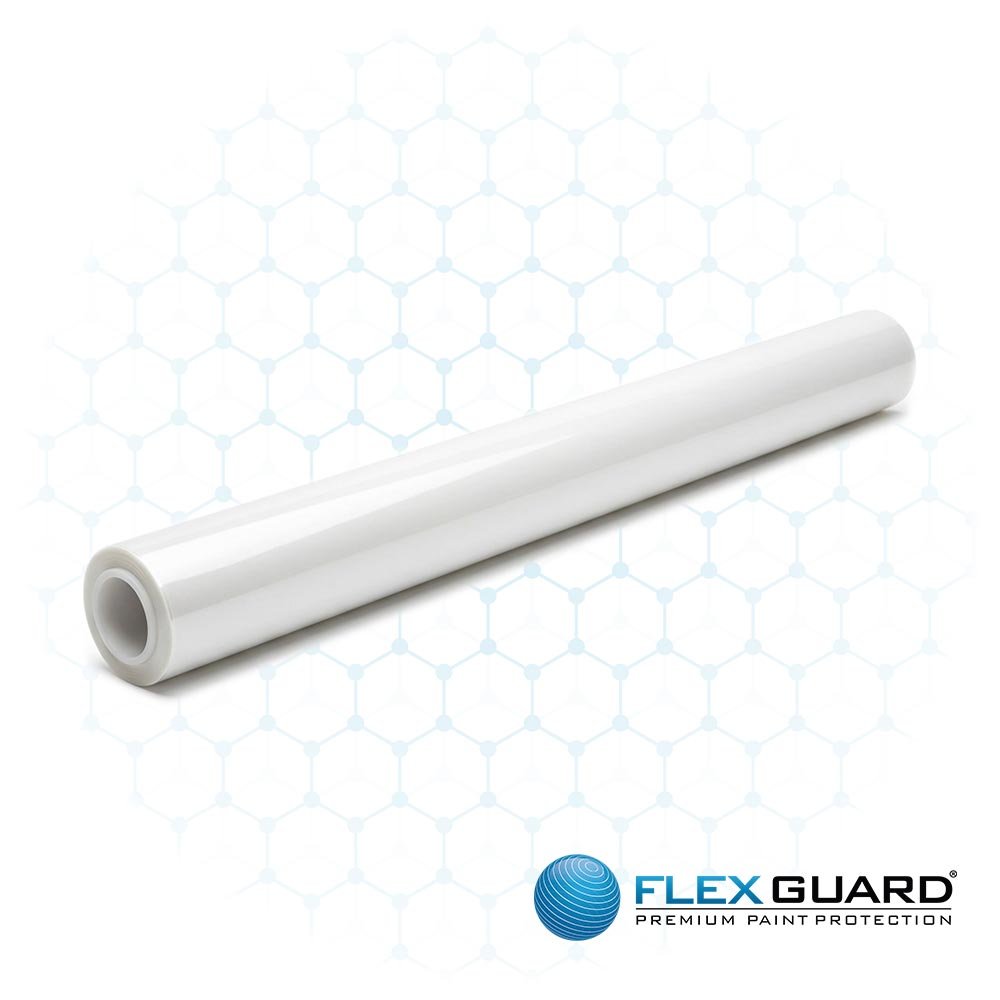
FlexGuard utilizes an 8 mil thermoplastic polyurethane construction designed to provide impact resistance, optical clarity, and long-term durability.
Its self-healing surface helps reduce the appearance of minor imperfections, while hydrophobic properties help simplify cleaning and maintenance.
Once installed, FlexGuard creates a nearly invisible barrier that helps preserve the vehicle's finish while maintaining its original appearance.
Why Many Vehicle Owners Choose PPF
Paint Protection Film is popular among vehicle owners because it provides a level of physical paint protection that traditional waxes, sealants, and ceramic coatings cannot.
By helping protect against rock chips, scratches, and environmental damage, PPF can help maintain the appearance and value of a vehicle throughout ownership.
Key Takeaways
- Paint Protection Film acts as a sacrificial protective layer over a vehicle's paint.
- It helps absorb impacts from rocks, gravel, and road debris.
- Modern PPF is typically made from thermoplastic polyurethane (TPU).
- Many premium films feature self-healing technology.
- PPF also helps protect against UV exposure and environmental contaminants.
- FlexGuard PPF combines impact protection, self-healing technology, and hydrophobic performance in a nearly invisible film.
Helpful Links


On this Page
-
How Paint Protection Film Works
- A Protective Layer for Your Paint
- Protection Against Rock Chips and Road Debris
- The Role of Thermoplastic Polyurethane (TPU)
- How Self-Healing Technology Works
- Protection Against Environmental Damage
- Hydrophobic Surface Technology
- Protection Against UV Exposure
- PPF Is Designed to Take the Abuse
- What PPF Does Not Do
- How FlexGuard PPF Works
- Why Many Vehicle Owners Choose PPF
- Key Takeaways
- Helpful Links