


-

About Flexfilm 2
-

Getting Started 10
-
Core Fundamentals 10
-
-

Orders & Support 83
-
Shipping 10
-
Dealer Rewards 13
-
Ordering & Account 7
-
Pre-Cut Patterns 2
-
General 9
-
Warranty 6
-
Billing & Tax 3
-
Route Package Protection 2
-
Returns & Refunds 2
-
Shop Pay 2
-
Training 1
-
Dealer & Installer Program 4
-
Selling & Quoting 9
-
Marketing & Growth 8
-
Business Operations 5
-
-

Installation Resources 19
-
Architectural 4
-
Automotive 5
-
General 10
-
-

Architectural Window Film 54
-
Safety & Compatibility 17
-
Ownership 2
-
Fundamentals 16
-
Buying Guides 4
-
Performance & Privacy 6
-
Product Guides 9
-
-

Automotive Window Film 40
-
Installation & Ownership 18
-
Product Guides 11
-
Legal & Compliance 3
-
Buying Guides 8
-
-

Tools 10
-
Cutting & Prep 3
-
Application 3
-
Measurement & Layout 2
-
Specialty 2
-
-

Plotters 8
-
Ownership 6
-
Buying Guides 2
-
-

FlexCut Software 25
-
Account & Licensing 5
-
Getting Started 10
-
Troubleshooting 2
-
Using FlexCut 8
-
-

Paint Protection Film (PPF) 10
-
Ownership 3
-
Fundamentals 4
-
Product Guides 3
-
-

Surface Coatings 13
-
Product Guides 7
-
Fundamentals 3
-
Ownership 3
-
Build Your Own Mobile Peel Board


Build Your Own Mobile Peel Board
If your shop can't always pull a full vehicle inside, or you need a flexible demo and workspace, a mobile peel board is a simple DIY project that solves a lot of problems at once — a freestanding glass panel you can peel, heat-shrink, and squeegee on, then roll wherever it's needed.
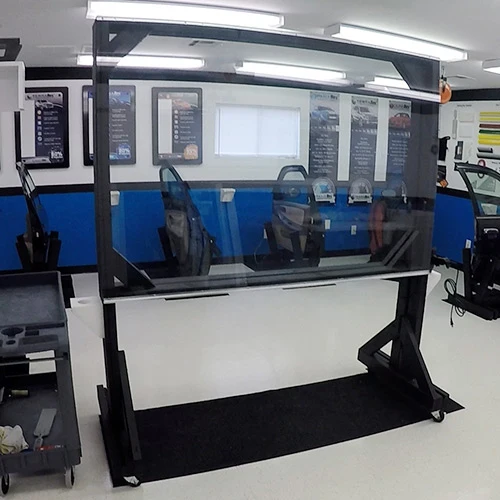
Core Specs
| Size | 4' wide x 6' tall — big enough for most film pieces, small enough to fit through a standard doorway |
| Frame | Two identical rectangles built from 2x4s, screwed tight and braced in the corners so nothing racks |
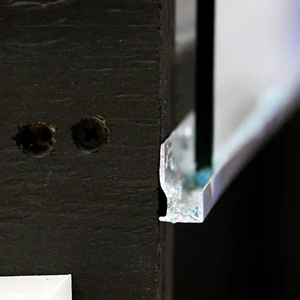
| Glass | Double-strength plate glass (cheaper, scratches the same as tempered over time) |
| Tracks | Aluminum window tracks, screwed to the base; soap the tracks before sliding the glass in |
| Sides | 3/4" plywood strips tying the frames together and keeping the glass centered |
| Casters | Medium swivel wheels rated for the weight — roll smooth, lock solid |
| Height | Set the top edge around nose level, or adjust to fit your crew |
Plate Glass vs. Tempered Glass
Plate glass is the more affordable option and scratches at roughly the same rate as tempered glass over time, so it doesn't necessarily cost you more in the long run — you'll likely replace either one eventually as it wears from daily use. The tradeoff is safety: plate glass can produce sharp shards if it shatters, while tempered glass breaks into small, safer cubes. Tempered costs more upfront but is worth considering depending on your risk tolerance and how the board will be used.
Approximate Cost
Based on a real build, rough costs break down to about $100 for the glass delivered, around $120 for lumber, plywood, tracks, and screws, and roughly $60 for casters, paint, and miscellaneous hardware — landing the total DIY cost under $300. Your actual costs will vary by region and current material prices, but even paying a shop hand to help build it typically lands well below the cost of a prefab unit.

Handy Extras
- Black rattle-can paint on the frame helps the board fade into the background on video and photos.
- A simple shelf-board holster (drilled with a doorknob bit) gives you a spot to park a heat gun.
- Consider white frost or white-out film on one side for a clean, contrasting backdrop, or an LED strip built into the frame for better lighting during demos.

Safety Note
Plate glass can produce sharp pieces if it shatters. Weigh that risk against the lower cost, and budget for eventual glass replacement either way.

Give It a Roll
This is a base build — customize it however fits your shop, whether that's tool hooks, a different backdrop finish, or built-in lighting. If you build your own, tag Flexfilm so we can see it in action.