


-

About Flexfilm 2
-

Getting Started 10
-
Core Fundamentals 10
-
-

Orders & Support 83
-
Shipping 10
-
Dealer Rewards 13
-
Ordering & Account 7
-
Pre-Cut Patterns 2
-
General 9
-
Warranty 6
-
Billing & Tax 3
-
Route Package Protection 2
-
Returns & Refunds 2
-
Shop Pay 2
-
Training 1
-
Dealer & Installer Program 4
-
Selling & Quoting 9
-
Marketing & Growth 8
-
Business Operations 5
-
-

Installation Resources 19
-
Architectural 4
-
Automotive 5
-
General 10
-
-

Architectural Window Film 54
-
Safety & Compatibility 17
-
Ownership 2
-
Fundamentals 16
-
Buying Guides 4
-
Performance & Privacy 6
-
Product Guides 9
-
-

Automotive Window Film 40
-
Installation & Ownership 18
-
Product Guides 11
-
Legal & Compliance 3
-
Buying Guides 8
-
-

Tools 10
-
Cutting & Prep 3
-
Application 3
-
Measurement & Layout 2
-
Specialty 2
-
-

Plotters 8
-
Ownership 6
-
Buying Guides 2
-
-

FlexCut Software 25
-
Account & Licensing 5
-
Getting Started 10
-
Troubleshooting 2
-
Using FlexCut 8
-
-

Paint Protection Film (PPF) 10
-
Ownership 3
-
Fundamentals 4
-
Product Guides 3
-
-

Surface Coatings 13
-
Product Guides 7
-
Fundamentals 3
-
Ownership 3
-
Understanding Slip Solutions


Understanding Slip Solutions
Slip solutions play a critical role in the installation of automotive window film and architectural window film. The right solution helps installers position film accurately, reduce contamination, improve squeegee performance, and achieve a cleaner finished result.
Understanding how slip solutions work can help improve installation quality and make the installation process more efficient.
What Is a Slip Solution?
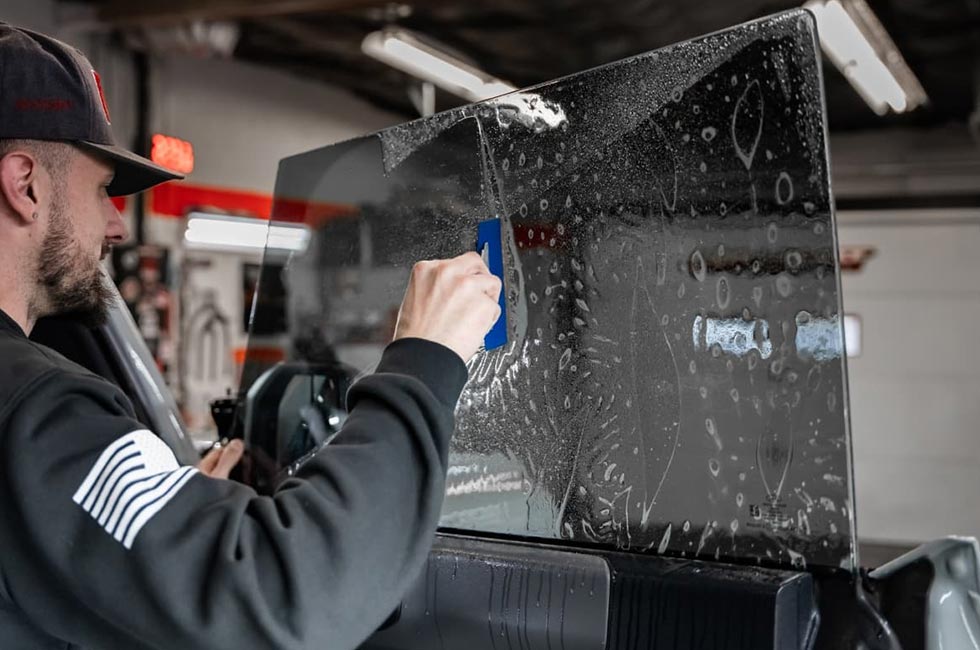
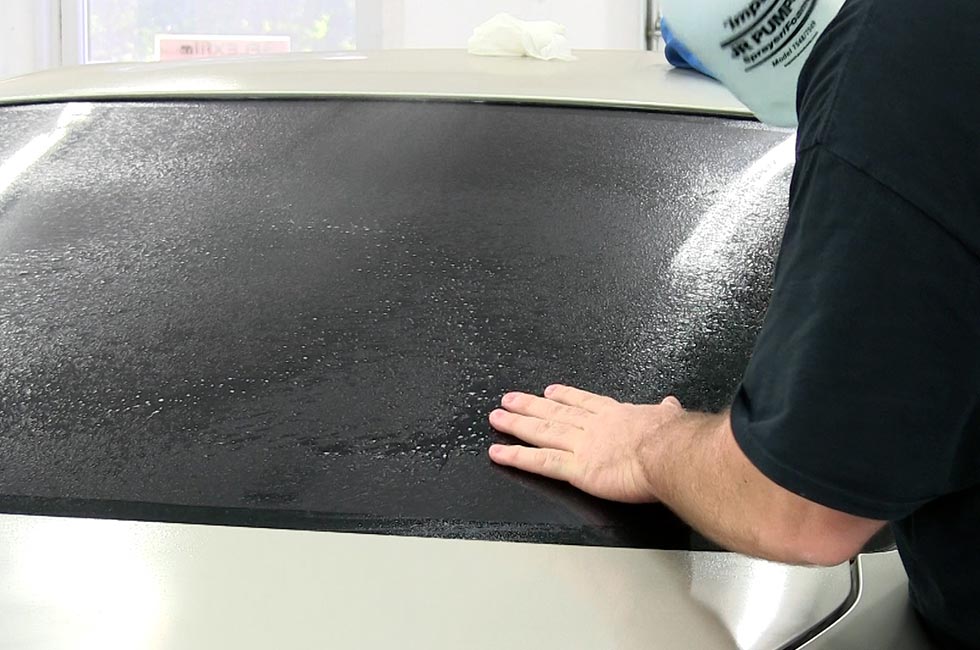
A slip solution is a liquid mixture applied to both the film and installation surface during the installation process.
The solution creates a temporary lubricating layer that allows the film to be positioned and adjusted before the adhesive begins bonding to the surface.
Without a slip solution, the film may grab the surface immediately, making installation significantly more difficult.
What Does a Slip Solution Do?
A properly mixed slip solution can help:
- Allow film repositioning during installation
- Improve squeegee glide
- Reduce contamination during handling
- Minimize creases and wrinkles
- Create a smoother installation process
These benefits make slip solutions an essential part of professional film installation.
How Does a Slip Solution Work?
When applied to the glass and adhesive surface, a slip solution temporarily reduces the adhesive's initial grab.
This gives the installer time to properly position the film before removing the solution with a squeegee.
As the solution is removed, the adhesive begins bonding to the installation surface.
Can Too Much Slip Solution Cause Problems?
Yes.
Using excessive slip solution can slow adhesive bonding and increase cure times.
Potential issues may include:
- Longer cure times
- Additional water retention
- Film movement during installation
- Additional squeegee work
Proper mixing and application help achieve the best balance between positioning and adhesion.
Can Too Little Slip Solution Cause Problems?
Yes.
Insufficient slip solution may cause the film to grab prematurely, making positioning more difficult.
This can increase the risk of:
- Creases
- Contamination
- Improper alignment
- Installation errors
The goal is to use enough solution to allow positioning while still promoting efficient adhesive bonding.
Common Slip Solutions
SlipX Film Mounting Solution
SlipX is Flexfilm's concentrated film mounting solution designed to provide smooth positioning and excellent squeegee glide during installation.
It is suitable for automotive window film, architectural window film, and many other film installation applications.
Tint-Tac Slip Solution
Tint-Tac is a professional installation solution designed to provide a balance between film positioning and adhesive bonding.
Many installers use Tint-Tac as their primary installation solution for everyday window film installations.
Hyper-Tac Super Slip Solution
Hyper-Tac is designed for installers who prefer additional slip and positioning flexibility during installation.
The enhanced lubricity helps provide smooth film movement before final squeegeeing.
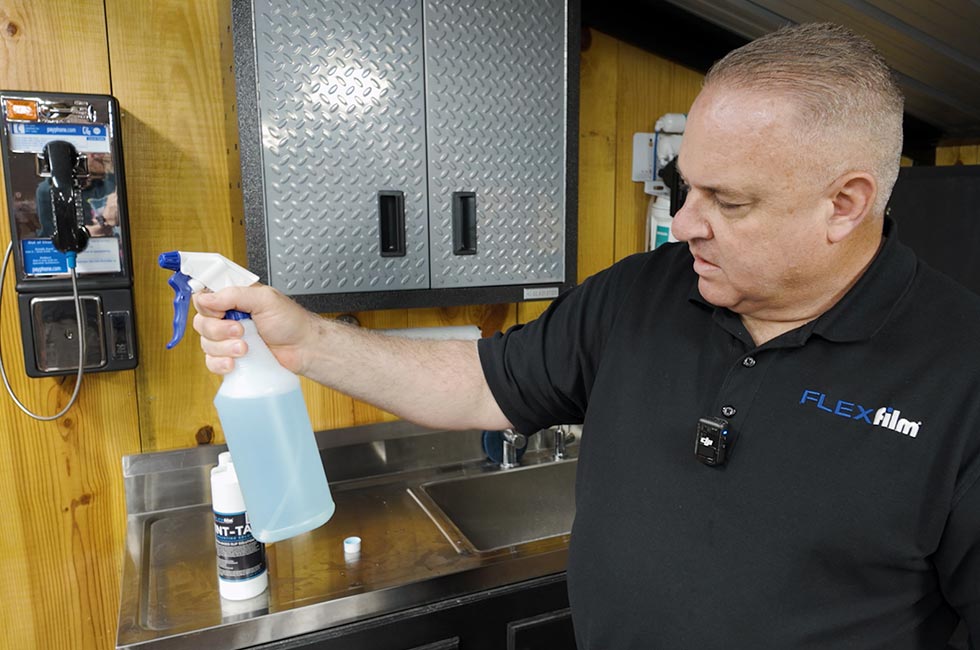
Choosing the Right Slip Solution
Different installers often have different preferences based on their installation style, film type, and working conditions.
Some installers prefer a solution that promotes faster adhesive bonding, while others prefer additional slip for maximum positioning flexibility.
Choosing the right solution often comes down to personal preference and installation technique.
Slip Solutions and Cure Time
The amount of solution used during installation can influence cure time.
Because moisture must evaporate through the adhesive system, installations using larger amounts of solution may require additional time to fully cure.
Environmental factors such as temperature, humidity, and sunlight exposure also affect curing speed.
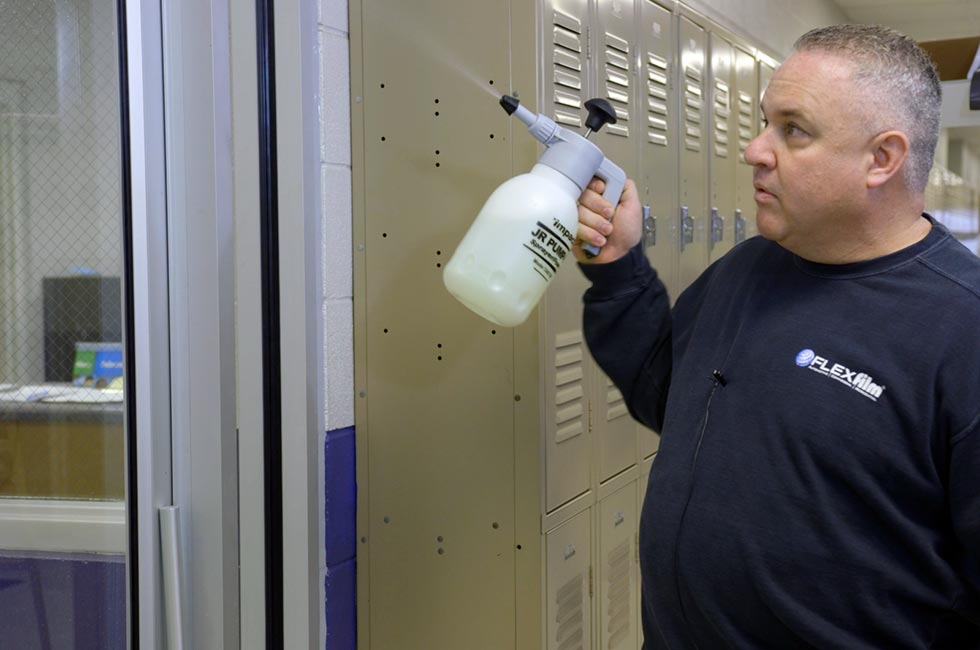
Automotive vs Architectural Applications
The same basic principles apply whether installing automotive or architectural window film.
Both applications rely on slip solutions to allow positioning before adhesive bonding occurs.
Specific solution preferences and installation techniques may vary depending on the film type and application.
Common Slip Solution Mistakes
- Using excessive slip solution.
- Using too little slip solution.
- Using contaminated water.
- Failing to remove enough solution during squeegeeing.
- Using products not intended for film installation.
Avoiding these mistakes can help improve installation quality and reduce rework.
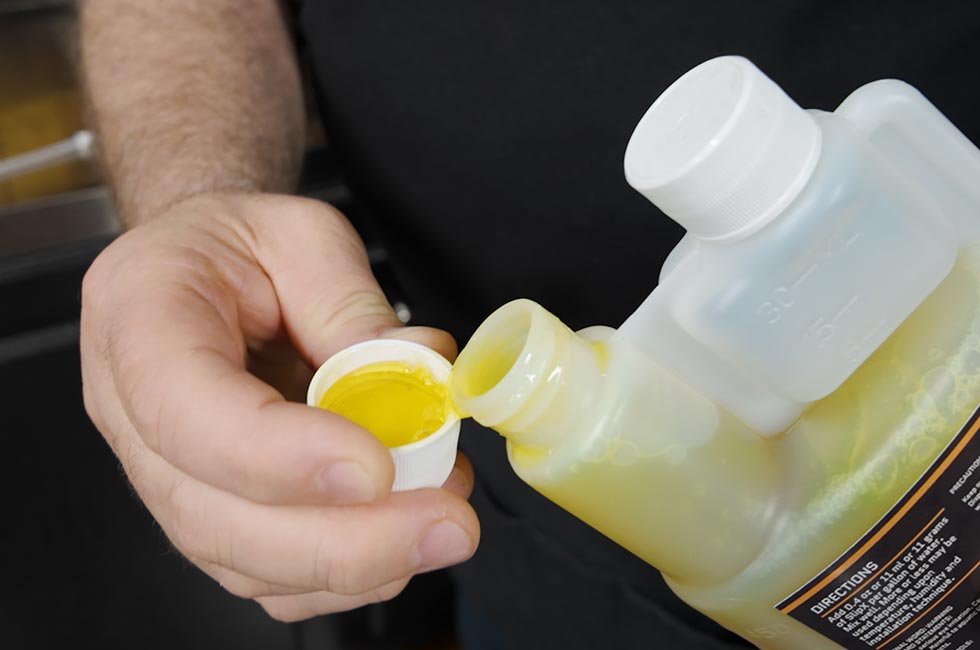
Best Practices
- Use clean water.
- Follow manufacturer mixing recommendations.
- Keep spray bottles clean.
- Use dedicated installation products whenever possible.
- Remove excess solution thoroughly during installation.
Consistent installation practices often lead to more consistent results.
Key Takeaways
- Slip solutions help position film during installation.
- They reduce adhesive grab until the film is properly aligned.
- Too much or too little solution can create installation challenges.
- SlipX, Tint-Tac, and Hyper-Tac are professional installation solutions.
- Proper slip solution use can improve installation quality and efficiency.
- Different installers may prefer different levels of slip and tack.
Helpful Links


On this Page
-
Understanding Slip Solutions
- What Is a Slip Solution?
- What Does a Slip Solution Do?
- How Does a Slip Solution Work?
- Can Too Much Slip Solution Cause Problems?
- Can Too Little Slip Solution Cause Problems?
- Common Slip Solutions
- Choosing the Right Slip Solution
- Slip Solutions and Cure Time
- Automotive vs Architectural Applications
- Common Slip Solution Mistakes
- Best Practices
- Key Takeaways
- Helpful Links