


-

About Flexfilm 2
-

Getting Started 10
-
Core Fundamentals 10
-
-

Orders & Support 83
-
Shipping 10
-
Dealer Rewards 13
-
Ordering & Account 7
-
Pre-Cut Patterns 2
-
General 9
-
Warranty 6
-
Billing & Tax 3
-
Route Package Protection 2
-
Returns & Refunds 2
-
Shop Pay 2
-
Training 1
-
Dealer & Installer Program 4
-
Selling & Quoting 9
-
Marketing & Growth 8
-
Business Operations 5
-
-

Installation Resources 19
-
Architectural 4
-
Automotive 5
-
General 10
-
-

Architectural Window Film 54
-
Safety & Compatibility 17
-
Ownership 2
-
Fundamentals 16
-
Buying Guides 4
-
Performance & Privacy 6
-
Product Guides 9
-
-

Automotive Window Film 40
-
Installation & Ownership 18
-
Product Guides 11
-
Legal & Compliance 3
-
Buying Guides 8
-
-

Tools 10
-
Cutting & Prep 3
-
Application 3
-
Measurement & Layout 2
-
Specialty 2
-
-

Plotters 8
-
Ownership 6
-
Buying Guides 2
-
-

FlexCut Software 25
-
Account & Licensing 5
-
Getting Started 10
-
Troubleshooting 2
-
Using FlexCut 8
-
-

Paint Protection Film (PPF) 10
-
Ownership 3
-
Fundamentals 4
-
Product Guides 3
-
-

Surface Coatings 13
-
Product Guides 7
-
Fundamentals 3
-
Ownership 3
-
How to Mix Your Slip Solution (Architectural)


How to Mix Your Architectural Slip Solution
Architectural window film installations typically require less slip solution than automotive window film installations. Using too much solution can slow adhesive bonding and make moisture removal more difficult, especially when working with dry-adhesive films.
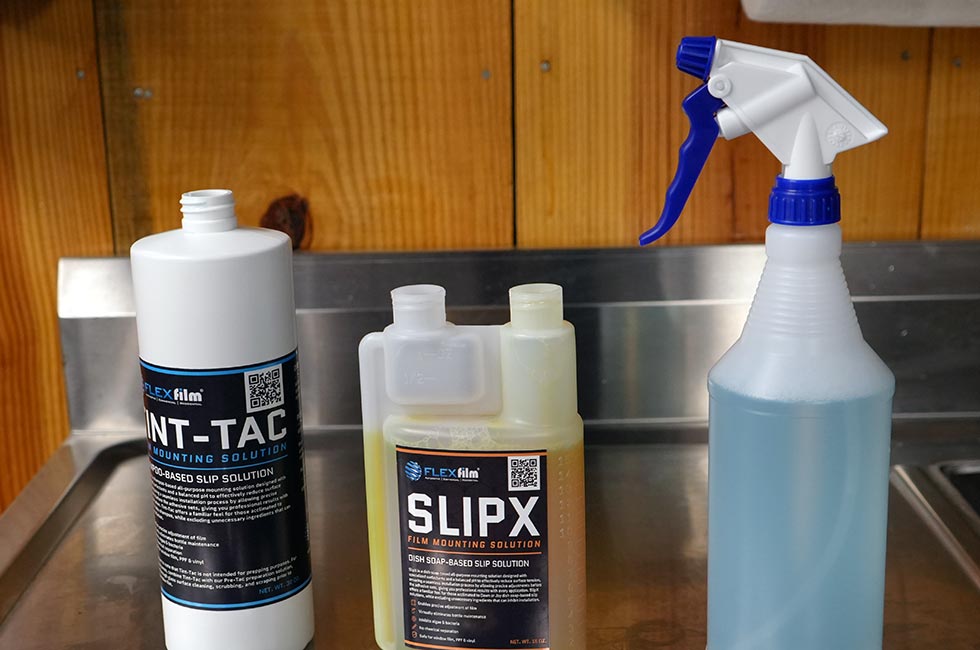
Recommended Starting Ratios
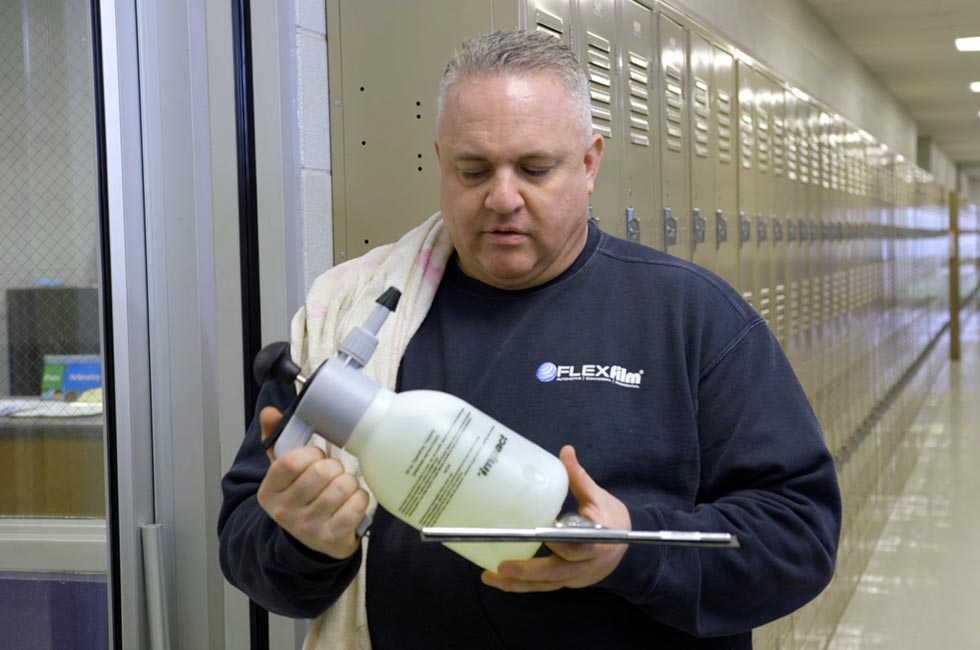
If you are installing dry-adhesive architectural window film, start with approximately 25–50% of the standard automotive mixing ratio.
| Product | 32 oz Spray Bottle |
|---|---|
| SlipX | ¼–½ capful |
| Tint-Tac | ½–1 capful |
These ratios provide a good starting point for most dry-adhesive architectural window films. Depending on the film, glass type, temperature, humidity, and installer preference, minor adjustments may be necessary.
Use Clean Water
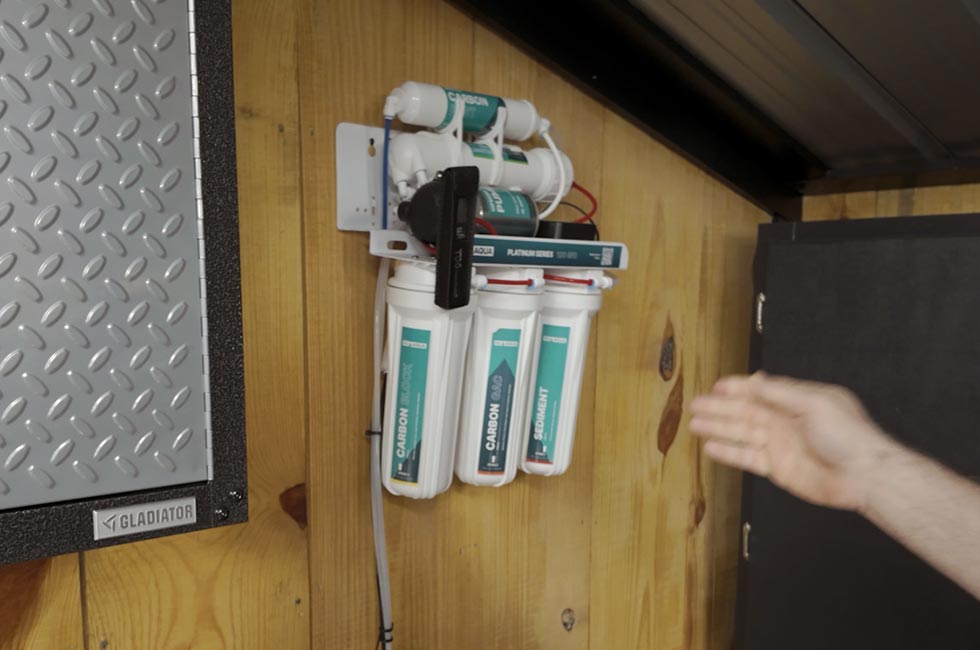
For best results, use distilled or reverse-osmosis water whenever possible. Clean water helps reduce contamination and promotes more consistent installation performance.
Why Use Less Slip Solution?
Dry-adhesive architectural films generally require less lubrication than automotive films. Excessive slip solution may:
- Slow adhesive bonding
- Increase cure times
- Make moisture removal more difficult
- Require additional squeegee work
Starting with a lighter mixture often provides better control and faster bonding during installation.
Can You Adjust the Mixture?
Yes. Many installers adjust their mixture slightly based on environmental conditions and personal preference. If you are unfamiliar with a particular film, begin with the recommended ratio and adjust only as needed.
Hot or humid? Add a splash more solution. Cooler temperatures? Use slightly less so the tack stays snappy.
Troubleshooting Your Mix
| Problem | Likely Cause | Quick Fix |
|---|---|---|
| Film curls at edges or on the dot matrix | Over-soaping (common when eyeballing the mix) | Dump out about 1/4 of the mix, refill with distilled water, and retest |
| Film won't budge on the glass | Too little soap, or a cold shop | Add a teaspoon of SlipX or Tint-Tac |
| Dry-spot streaks | Tap water was used | Switch to distilled or reverse-osmosis water |

Key Takeaways
- Dry-adhesive architectural films typically require less slip solution than automotive films.
- SlipX should be mixed at approximately ¼–½ capful per 32 oz bottle.
- Tint-Tac should be mixed at approximately ½–1 capful per 32 oz bottle.
- Use distilled or reverse-osmosis water whenever possible.
- Start with the recommended ratio before making adjustments.