


-

About Flexfilm 2
-

Getting Started 10
-
Core Fundamentals 10
-
-

Orders & Support 83
-
Shipping 10
-
Dealer Rewards 13
-
Ordering & Account 7
-
Pre-Cut Patterns 2
-
General 9
-
Warranty 6
-
Billing & Tax 3
-
Route Package Protection 2
-
Returns & Refunds 2
-
Shop Pay 2
-
Training 1
-
Dealer & Installer Program 4
-
Selling & Quoting 9
-
Marketing & Growth 8
-
Business Operations 5
-
-

Installation Resources 19
-
Architectural 4
-
Automotive 5
-
General 10
-
-

Architectural Window Film 54
-
Safety & Compatibility 17
-
Ownership 2
-
Fundamentals 16
-
Buying Guides 4
-
Performance & Privacy 6
-
Product Guides 9
-
-

Automotive Window Film 40
-
Installation & Ownership 18
-
Product Guides 11
-
Legal & Compliance 3
-
Buying Guides 8
-
-

Tools 10
-
Cutting & Prep 3
-
Application 3
-
Measurement & Layout 2
-
Specialty 2
-
-

Plotters 8
-
Ownership 6
-
Buying Guides 2
-
-

FlexCut Software 25
-
Account & Licensing 5
-
Getting Started 10
-
Troubleshooting 2
-
Using FlexCut 8
-
-

Paint Protection Film (PPF) 10
-
Ownership 3
-
Fundamentals 4
-
Product Guides 3
-
-

Surface Coatings 13
-
Product Guides 7
-
Fundamentals 3
-
Ownership 3
-
Is a Cap Sheet Necessary for Paint Protection Film (PPF)?


Is a Cap Sheet Necessary for Paint Protection Film (PPF)?
When ordering PPF, you'll often have the choice of ordering it with or without a cap sheet. It's a common point of confusion, but understanding what the cap sheet actually does may change which option you choose.
What Is a Cap Sheet?
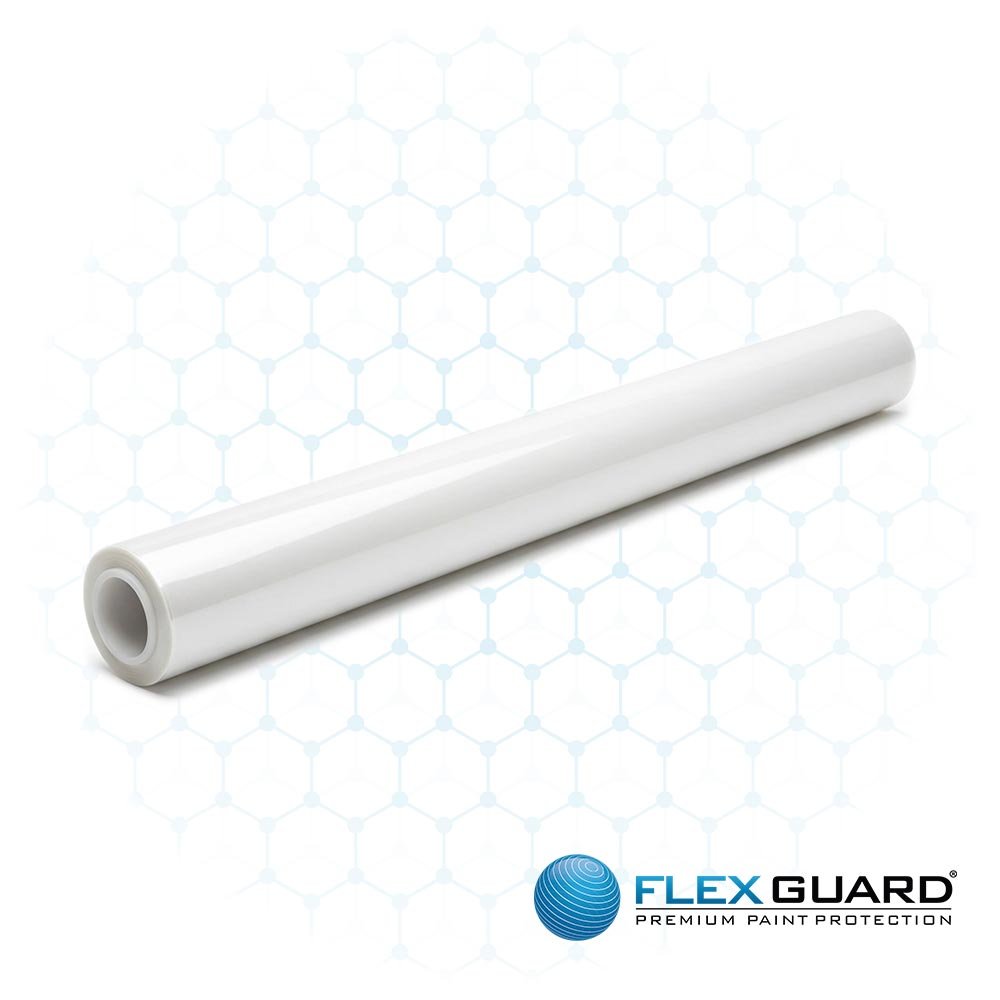
A cap sheet is a release liner material layered over the top of the PPF itself. With a cap sheet, the roll has three layers: the backer sheet on the bottom, the actual paint protection film in the middle, and the cap sheet on top.
The Case for Ordering Without a Cap Sheet
Skipping the cap sheet is more convenient in one specific way: there's no extra layer to peel off before cutting or installing. That said, PPF without a cap sheet comes with its own downside — the top surface is exposed, which removes the protective benefits described below.
Removing a cap sheet can also generate static electricity, which is at minimum annoying to deal with and can potentially cause issues with a plotter. A light mist of water can help discharge the static before removal, though this step is easy to forget.
The Case for Ordering With a Cap Sheet
Shipping and Storage Protection
PPF is meant to be stored vertically, but it doesn't always end up that way in transit or on a shelf. If a roll rests on its side without support from the end caps, pressure over time can transfer distortion through the adhesive and layers, all the way to the core. A cap sheet helps slow that damage down, giving the roll a better chance of arriving usable even if it wasn't stored perfectly.
Protection If You Forget the Roll on the Plotter
It's common to load PPF onto roller bars before cutting a pattern. If the roll gets left there — say, overnight — the weight of the film sitting on the bars can create a repeating distortion pattern throughout the roll. Without a cap sheet, that distortion can effectively ruin the roll for anything beyond small pieces like door cups or edge guards. A cap sheet offers a second chance in this exact situation.
Easier Weeding
High-quality PPF is extremely clear and transparent — which is great for the finished install, but makes it genuinely difficult to see your cut lines when weeding the pattern, even with good lighting and eyesight. The cap sheet makes cut lines much easier to see, which makes weeding noticeably easier. Some installers worry this extra layer might dull blades faster, but blades are inexpensive enough that this generally isn't a significant concern.
Our Take
Cap sheets have been growing more popular for good reason. They're a minor extra step to remove, but they protect the roll during shipping and storage, guard against damage if the film sits loaded on a plotter longer than planned, and make weeding considerably easier. For most installers, that trade-off is worth it.