


-

About Flexfilm 2
-

Getting Started 10
-
Core Fundamentals 10
-
-

Orders & Support 83
-
Shipping 10
-
Dealer Rewards 13
-
Ordering & Account 7
-
Pre-Cut Patterns 2
-
General 9
-
Warranty 6
-
Billing & Tax 3
-
Route Package Protection 2
-
Returns & Refunds 2
-
Shop Pay 2
-
Training 1
-
Dealer & Installer Program 4
-
Selling & Quoting 9
-
Marketing & Growth 8
-
Business Operations 5
-
-

Installation Resources 19
-
Architectural 4
-
Automotive 5
-
General 10
-
-

Architectural Window Film 54
-
Safety & Compatibility 17
-
Ownership 2
-
Fundamentals 16
-
Buying Guides 4
-
Performance & Privacy 6
-
Product Guides 9
-
-

Automotive Window Film 40
-
Installation & Ownership 18
-
Product Guides 11
-
Legal & Compliance 3
-
Buying Guides 8
-
-

Tools 10
-
Cutting & Prep 3
-
Application 3
-
Measurement & Layout 2
-
Specialty 2
-
-

Plotters 8
-
Ownership 6
-
Buying Guides 2
-
-

FlexCut Software 25
-
Account & Licensing 5
-
Getting Started 10
-
Troubleshooting 2
-
Using FlexCut 8
-
-

Paint Protection Film (PPF) 10
-
Ownership 3
-
Fundamentals 4
-
Product Guides 3
-
-

Surface Coatings 13
-
Product Guides 7
-
Fundamentals 3
-
Ownership 3
-
Hydrophobic Technology Explained


Hydrophobic Technology Explained
Hydrophobic technology is one of the most popular features found in modern Paint Protection Films and ceramic coatings. Designed to repel water and reduce contaminant buildup, hydrophobic surfaces help keep vehicles cleaner, make maintenance easier, and improve the overall ownership experience.
While hydrophobic technology does not replace proper washing and maintenance, it can significantly improve how a vehicle's surface performs between cleanings.
What Does Hydrophobic Mean?
The term "hydrophobic" literally means "water-fearing."
In automotive protection products, hydrophobic technology refers to a surface that resists water and encourages it to bead and roll away rather than spread across the surface.
When water contacts a hydrophobic surface, it forms tight beads that are more likely to slide off the vehicle.
How Does Hydrophobic Technology Work?
Hydrophobic surfaces are engineered to reduce surface energy.
As a result, water has a more difficult time spreading and adhering to the surface.
Instead of forming a flat sheet of water, droplets remain tightly grouped together and roll away more easily.
This behavior helps carry dirt, dust, and other contaminants away from the surface.
What Are the Benefits of Hydrophobic Technology?
Improved Water Beading
One of the most noticeable benefits of hydrophobic technology is water beading.
Water forms tight droplets that quickly roll off the surface rather than remaining behind.
This creates the appearance many vehicle owners associate with premium protection products.
Easier Cleaning
Because dirt and contaminants have a harder time adhering to hydrophobic surfaces, routine washing is often easier.
Many contaminants can be removed more quickly and with less effort.
Reduced Water Spotting
While no protection product can completely eliminate water spotting, hydrophobic surfaces can help reduce standing water that often contributes to spotting.
The faster water leaves the surface, the less opportunity it has to evaporate and leave behind mineral deposits.
Improved Appearance
Hydrophobic surfaces often help vehicles maintain a cleaner appearance between washes.
Water, dirt, and road grime are less likely to remain attached to the surface for extended periods.
Hydrophobic Technology in Paint Protection Film
Many modern Paint Protection Films incorporate hydrophobic surface technology into their top coats.
This allows vehicle owners to enjoy both physical paint protection and improved maintenance characteristics.
The hydrophobic properties are built directly into the film's surface and help support easier cleaning throughout the life of the film.
Hydrophobic Technology in Ceramic Coatings
Hydrophobic performance is one of the primary reasons many vehicle owners choose ceramic coatings.
Ceramic coatings create an extremely slick surface that encourages water and contaminants to release more easily.
The result is often enhanced water beading, improved self-cleaning characteristics, and simplified maintenance.
FlexGuard Hydrophobic Technology
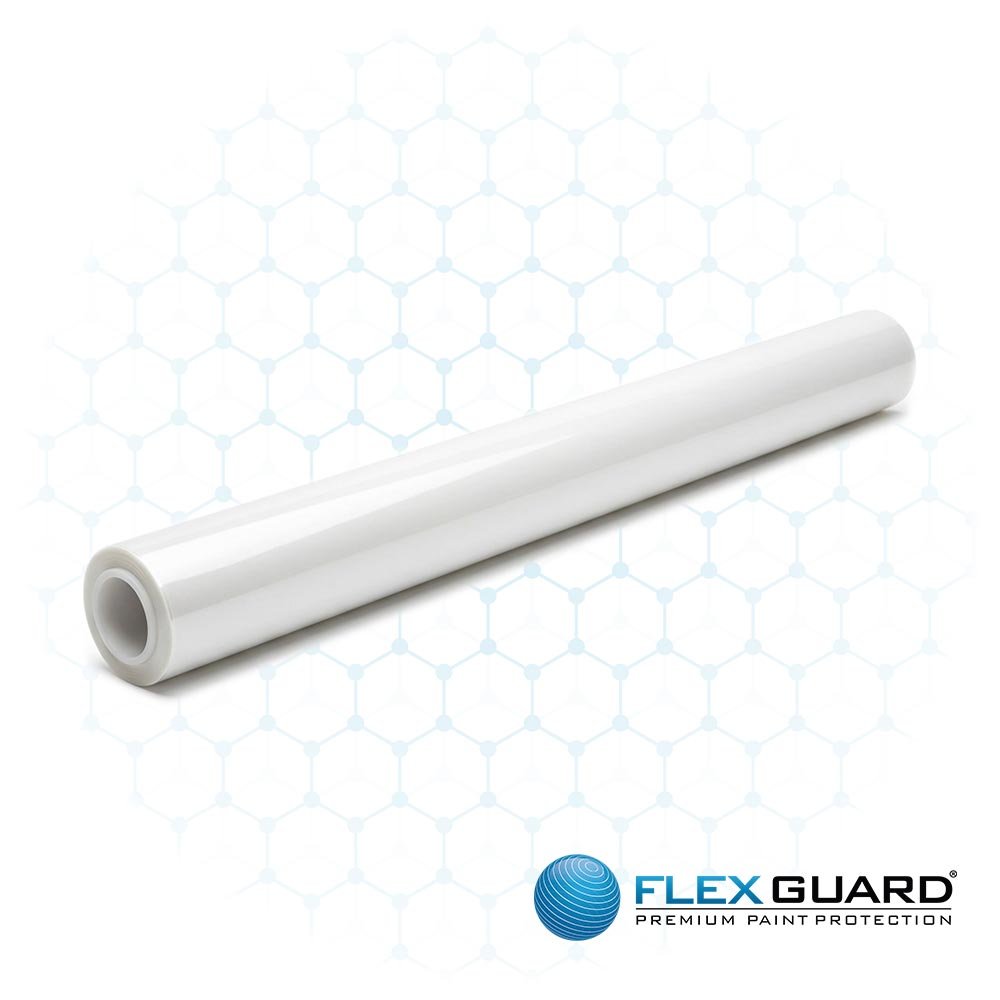
FlexGuard Paint Protection Film features hydrophobic surface properties designed to help water bead and roll off the film more easily.
This helps:
- Improve washing efficiency
- Reduce contaminant buildup
- Simplify routine maintenance
- Maintain a cleaner appearance
Combined with self-healing technology and 8 mil TPU construction, FlexGuard provides both protection and ease of ownership.
Hydrophobic Does Not Mean Maintenance-Free
One common misconception is that hydrophobic products eliminate the need to wash a vehicle.
While hydrophobic technology can make cleaning easier, regular maintenance is still important.
Dirt, road film, minerals, and environmental contaminants can still accumulate over time.
Routine washing remains necessary to maintain the appearance and performance of the protected surface.
Hydrophobic vs Self-Healing Technology
Hydrophobic technology and self-healing technology serve different purposes.
Hydrophobic technology focuses on water behavior, contaminant release, and ease of cleaning.
Self-healing technology focuses on reducing the appearance of minor scratches and swirl marks through heat-activated surface recovery.
Many premium Paint Protection Films, including FlexGuard, combine both technologies into a single product.
How Long Does Hydrophobic Performance Last?
The longevity of hydrophobic performance depends on factors such as:
- Product quality
- Environmental exposure
- Washing practices
- Contaminant exposure
- Vehicle usage
Proper maintenance helps maximize long-term performance and preserve the effectiveness of hydrophobic surfaces.
How to Maintain Hydrophobic Surfaces
To help maintain hydrophobic performance:
- Wash the vehicle regularly.
- Use pH-balanced automotive cleaning products when appropriate.
- Remove contaminants promptly.
- Avoid abrasive cleaning methods.
- Follow manufacturer care recommendations.
Proper maintenance helps preserve both appearance and performance.
Why Vehicle Owners Value Hydrophobic Technology
Hydrophobic technology improves the ownership experience by helping vehicles stay cleaner, wash easier, and maintain a freshly detailed appearance.
While the technology is often associated with impressive water beading, its greatest benefit is the reduction in effort required to maintain a clean vehicle.
Key Takeaways
- Hydrophobic technology helps repel water and reduce contaminant buildup.
- Hydrophobic surfaces encourage water to bead and roll away.
- Benefits include easier cleaning, improved water beading, and reduced contaminant adhesion.
- FlexGuard PPF incorporates hydrophobic surface technology.
- Hydrophobic technology and self-healing technology serve different purposes.
- Hydrophobic surfaces still require regular maintenance and washing.
Helpful Links


On this Page
-
Hydrophobic Technology Explained
- What Does Hydrophobic Mean?
- How Does Hydrophobic Technology Work?
- What Are the Benefits of Hydrophobic Technology?
- Hydrophobic Technology in Paint Protection Film
- Hydrophobic Technology in Ceramic Coatings
- FlexGuard Hydrophobic Technology
- Hydrophobic Does Not Mean Maintenance-Free
- Hydrophobic vs Self-Healing Technology
- How Long Does Hydrophobic Performance Last?
- How to Maintain Hydrophobic Surfaces
- Why Vehicle Owners Value Hydrophobic Technology
- Key Takeaways
- Helpful Links