


-

About Flexfilm 2
-

Getting Started 10
-
Core Fundamentals 10
-
-

Orders & Support 83
-
Shipping 10
-
Dealer Rewards 13
-
Ordering & Account 7
-
Pre-Cut Patterns 2
-
General 9
-
Warranty 6
-
Billing & Tax 3
-
Route Package Protection 2
-
Returns & Refunds 2
-
Shop Pay 2
-
Training 1
-
Dealer & Installer Program 4
-
Selling & Quoting 9
-
Marketing & Growth 8
-
Business Operations 5
-
-

Installation Resources 19
-
Architectural 4
-
Automotive 5
-
General 10
-
-

Architectural Window Film 54
-
Safety & Compatibility 17
-
Ownership 2
-
Fundamentals 16
-
Buying Guides 4
-
Performance & Privacy 6
-
Product Guides 9
-
-

Automotive Window Film 40
-
Installation & Ownership 18
-
Product Guides 11
-
Legal & Compliance 3
-
Buying Guides 8
-
-

Tools 10
-
Cutting & Prep 3
-
Application 3
-
Measurement & Layout 2
-
Specialty 2
-
-

Plotters 8
-
Ownership 6
-
Buying Guides 2
-
-

FlexCut Software 25
-
Account & Licensing 5
-
Getting Started 10
-
Troubleshooting 2
-
Using FlexCut 8
-
-

Paint Protection Film (PPF) 10
-
Ownership 3
-
Fundamentals 4
-
Product Guides 3
-
-

Surface Coatings 13
-
Product Guides 7
-
Fundamentals 3
-
Ownership 3
-
How to Mix Your Slip Solution (Automotive)


How to Mix Your Automotive Slip Solution
Properly mixed slip solution is an important part of a successful automotive window film installation. The correct mixture helps improve film positioning, squeegee glide, contamination control, and adhesive performance.
Recommended Mixing Ratios
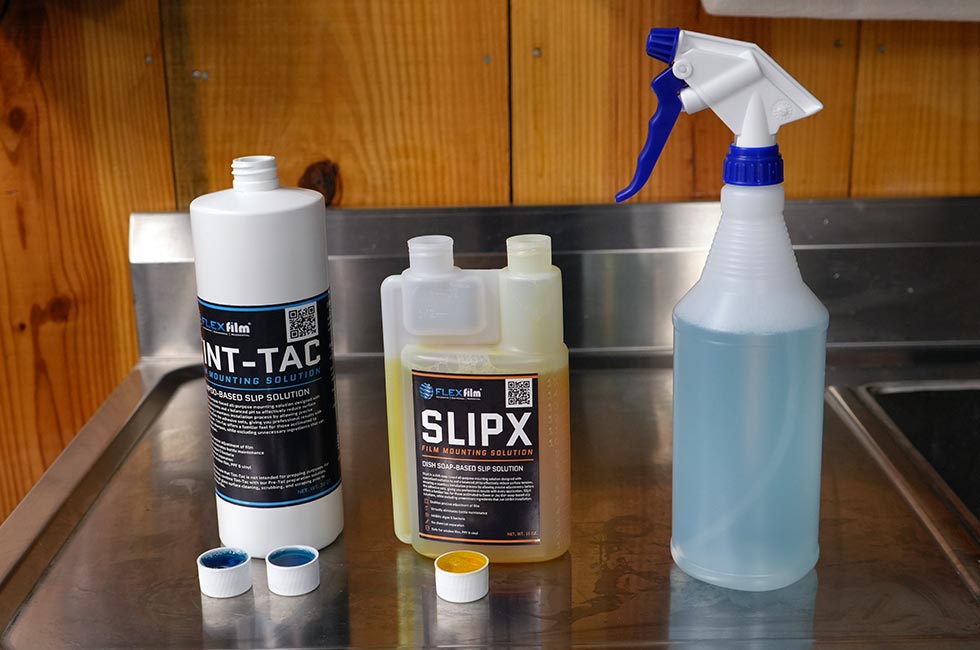
| Product | 32 oz Spray Bottle | Per Gallon |
|---|---|---|
| SlipX | 1 capful | 0.4 oz per gallon of water |
| Tint-Tac | 2 capfuls | 1 oz per gallon of water |
Use Clean Water
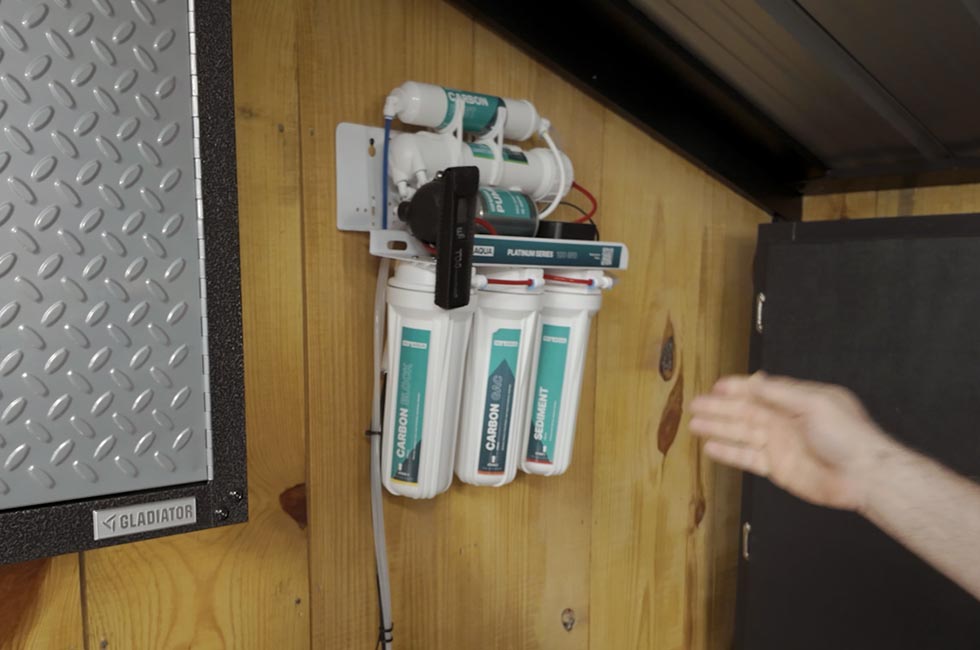
For best results, use distilled or reverse-osmosis water whenever possible. Clean water helps reduce contamination and promotes more consistent installation results.
SlipX vs Tint-Tac
SlipX is more concentrated and requires less product per gallon. Tint-Tac uses a higher mixing ratio and may be preferred by installers who want a different installation feel.
Both products can provide excellent installation performance when mixed according to the recommended ratios.
Can You Adjust the Mixture?
Many installers fine-tune their solution based on climate, film type, and personal preference. If you are unfamiliar with a particular film or installation environment, start with the recommended ratio before making adjustments.
Hot or humid shop? Add a splash more solution. Cooler temperatures? Use slightly less so the tack stays snappy.
Troubleshooting Your Mix
| Problem | Likely Cause | Quick Fix |
|---|---|---|
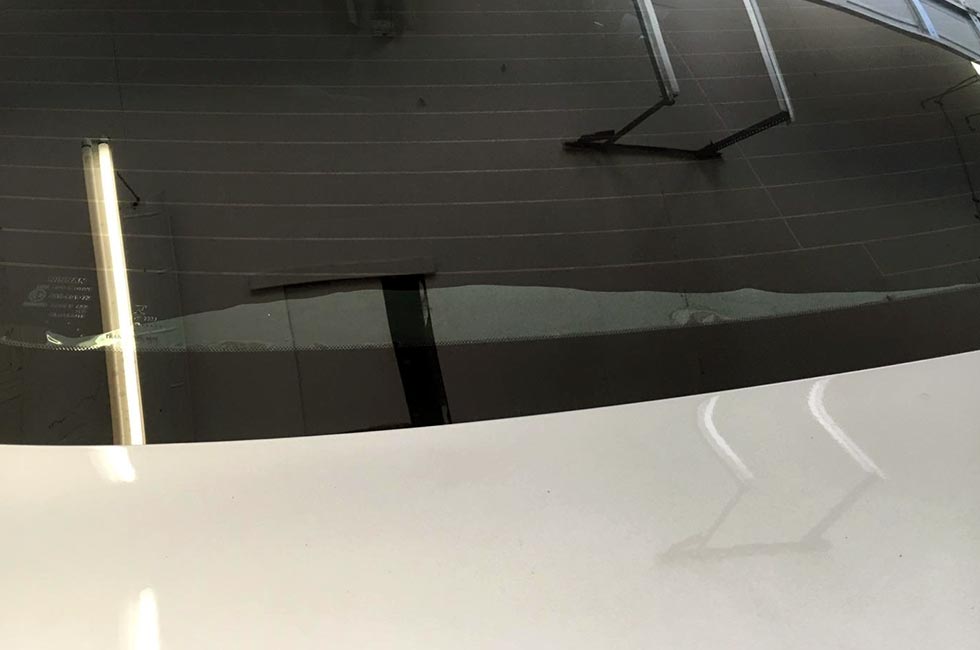
| Film curls at edges or on the dot matrix | Over-soaping (common when eyeballing the mix) | Dump out about 1/4 of the mix, refill with distilled water, and retest |
| Film won't budge on the glass | Too little soap, or a cold shop | Add a teaspoon of SlipX or Tint-Tac |
| Dry-spot streaks | Tap water was used | Switch to distilled or reverse-osmosis water |
Key Takeaways
- SlipX mixes at 1 capful per 32 oz bottle or 0.4 oz per gallon.
- Tint-Tac mixes at 2 capfuls per 32 oz bottle or 1 oz per gallon.
- Use distilled or reverse-osmosis water whenever possible.
- Follow recommended ratios before making adjustments.
- Proper mixing helps improve positioning, glide, and adhesive performance.