


-

About Flexfilm 2
-

Getting Started 10
-
Core Fundamentals 10
-
-

Orders & Support 83
-
Shipping 10
-
Dealer Rewards 13
-
Ordering & Account 7
-
Pre-Cut Patterns 2
-
General 9
-
Warranty 6
-
Billing & Tax 3
-
Route Package Protection 2
-
Returns & Refunds 2
-
Shop Pay 2
-
Training 1
-
Dealer & Installer Program 4
-
Selling & Quoting 9
-
Marketing & Growth 8
-
Business Operations 5
-
-

Installation Resources 19
-
Architectural 4
-
Automotive 5
-
General 10
-
-

Architectural Window Film 54
-
Safety & Compatibility 17
-
Ownership 2
-
Fundamentals 16
-
Buying Guides 4
-
Performance & Privacy 6
-
Product Guides 9
-
-

Automotive Window Film 40
-
Installation & Ownership 18
-
Product Guides 11
-
Legal & Compliance 3
-
Buying Guides 8
-
-

Tools 10
-
Cutting & Prep 3
-
Application 3
-
Measurement & Layout 2
-
Specialty 2
-
-

Plotters 8
-
Ownership 6
-
Buying Guides 2
-
-

FlexCut Software 25
-
Account & Licensing 5
-
Getting Started 10
-
Troubleshooting 2
-
Using FlexCut 8
-
-

Paint Protection Film (PPF) 10
-
Ownership 3
-
Fundamentals 4
-
Product Guides 3
-
-

Surface Coatings 13
-
Product Guides 7
-
Fundamentals 3
-
Ownership 3
-
Understanding Dot Matrix Areas


Understanding Dot Matrix Areas
Dot matrix areas are one of the most challenging parts of many automotive window tint installations. These small ceramic dots are commonly found along the edges of automotive glass and can affect how window film lays, bonds, and appears after installation.
Understanding what dot matrix areas are and how they impact film installation can help installers achieve better results and set proper customer expectations.
What Is a Dot Matrix?
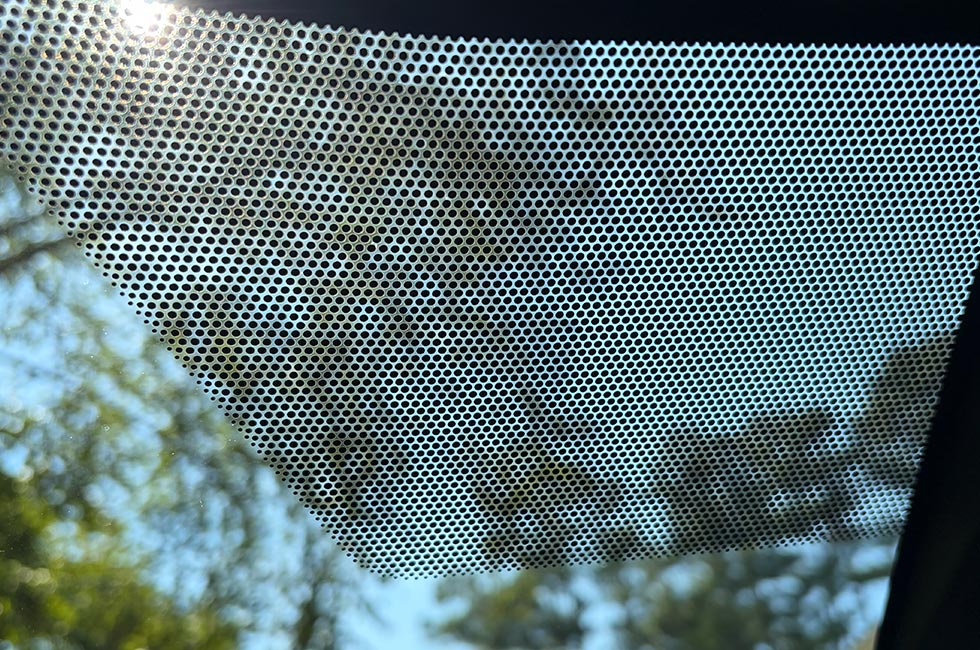
A dot matrix is a pattern of raised ceramic dots baked into automotive glass during manufacturing.
These dots are most commonly found around the perimeter of rear windows and near the top of windshields.
Automakers use dot matrix patterns to create a gradual transition between clear glass and painted or shaded areas.
Why Do Vehicles Have Dot Matrix Areas?
Dot matrix patterns serve both functional and cosmetic purposes.
Common reasons include:
- Reducing visual contrast between glass and trim.
- Providing a more finished appearance.
- Helping protect adhesives used during manufacturing.
- Supporting windshield and rear glass design aesthetics.
While beneficial for vehicle manufacturing, dot matrix areas can create challenges during film installation.
Why Are Dot Matrix Areas Difficult to Tint?
Unlike smooth glass, dot matrix areas contain raised ceramic dots.
These raised surfaces prevent the film from making full contact with the glass between the dots.
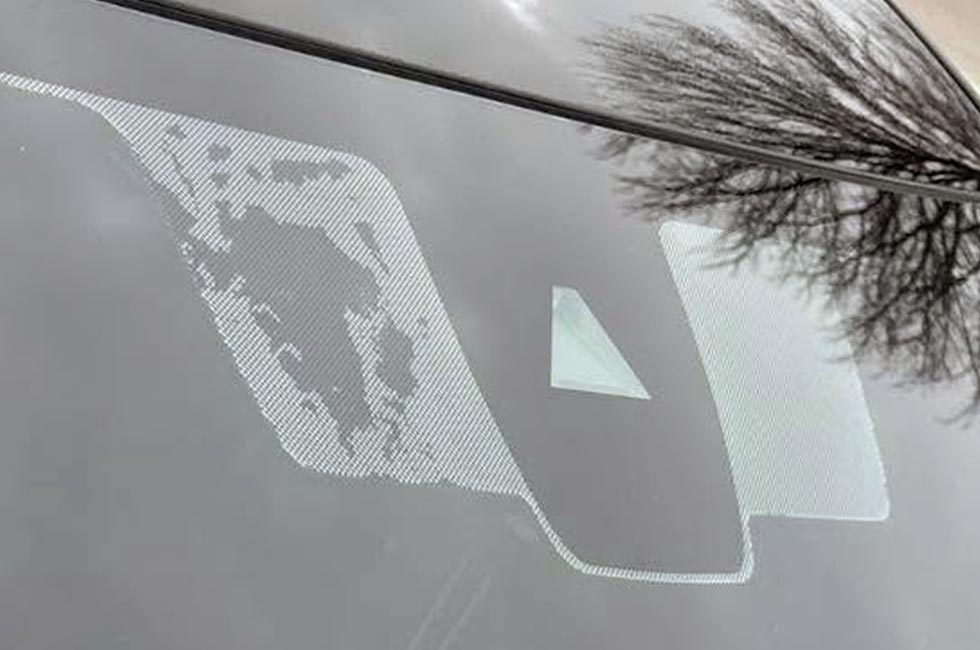
As a result, installers may notice a silver, hazy, or lighter appearance in these areas immediately after installation.
What Is Silvering?
Silvering occurs when small pockets of air, moisture, or incomplete adhesive contact remain within the dot matrix area.
Because the film cannot fully conform to the uneven surface created by the ceramic dots, light reflects differently in these areas.
This often creates a lighter or silvery appearance compared to the surrounding glass.
Will Dot Matrix Silvering Go Away?
Sometimes.
As the film cures and moisture evaporates, the appearance of the dot matrix area may improve.
However, because the ceramic dots create a permanently uneven surface, some visible difference may remain even after the film is fully cured.
The final appearance varies depending on the vehicle, dot matrix design, film type, and installation quality.
Are Dot Matrix Areas a Film Defect?
No.
Dot matrix appearance is a characteristic of the glass itself rather than a defect in the film.
Because every vehicle manufacturer uses different ceramic patterns and dot sizes, results can vary significantly between vehicles.
Some dot matrix areas are barely noticeable, while others may remain visible after curing.
Can Installers Improve Dot Matrix Results?
Yes.
Experienced installers often use specialized techniques to improve film contact and appearance in dot matrix areas.
These techniques may include:
- Proper heat application.
- Additional squeegee pressure.
- Careful moisture removal.
- Allowing adequate cure time.
While these techniques can improve results, they cannot eliminate the physical texture of the ceramic dots.
Do Some Vehicles Have More Challenging Dot Matrix Areas?
Yes.
Dot matrix designs vary significantly between manufacturers and vehicle models.
Some vehicles feature small, closely spaced dots that tint relatively well, while others use larger or more aggressive patterns that can be more challenging.
Rear windows are often the most noticeable area.
Does Film Type Affect Dot Matrix Appearance?
Film type can influence the final appearance, but no film can completely eliminate the challenges created by raised ceramic dots.
Proper installation technique and realistic expectations are often more important than the specific film being used.
Should Customers Be Informed About Dot Matrix Areas?
Absolutely.
Because dot matrix appearance is determined largely by the vehicle's glass design, many professional installers discuss these areas with customers before installation.
This helps set realistic expectations and prevents misunderstandings after the installation is complete.
Common Dot Matrix Locations
Dot matrix patterns are commonly found on:
- Rear windows
- Windshield borders
- Quarter windows
- Certain side windows
The size and appearance of the pattern varies from vehicle to vehicle.
Key Takeaways
- Dot matrix areas are raised ceramic dots built into automotive glass.
- They are commonly found on rear windows and windshield borders.
- The uneven surface can create silvering or a lighter appearance after installation.
- Dot matrix appearance is a characteristic of the glass, not a film defect.
- Proper installation techniques can improve results but cannot eliminate the texture of the ceramic dots.
- Setting realistic customer expectations is an important part of the installation process.


On this Page
-
Understanding Dot Matrix Areas
- What Is a Dot Matrix?
- Why Do Vehicles Have Dot Matrix Areas?
- Why Are Dot Matrix Areas Difficult to Tint?
- What Is Silvering?
- Will Dot Matrix Silvering Go Away?
- Are Dot Matrix Areas a Film Defect?
- Can Installers Improve Dot Matrix Results?
- Do Some Vehicles Have More Challenging Dot Matrix Areas?
- Does Film Type Affect Dot Matrix Appearance?
- Should Customers Be Informed About Dot Matrix Areas?
- Common Dot Matrix Locations
- Key Takeaways