


-

About Flexfilm 2
-

Getting Started 10
-
Core Fundamentals 10
-
-

Orders & Support 83
-
Shipping 10
-
Dealer Rewards 13
-
Ordering & Account 7
-
Pre-Cut Patterns 2
-
General 9
-
Warranty 6
-
Billing & Tax 3
-
Route Package Protection 2
-
Returns & Refunds 2
-
Shop Pay 2
-
Training 1
-
Dealer & Installer Program 4
-
Selling & Quoting 9
-
Marketing & Growth 8
-
Business Operations 5
-
-

Installation Resources 19
-
Architectural 4
-
Automotive 5
-
General 10
-
-

Architectural Window Film 54
-
Safety & Compatibility 17
-
Ownership 2
-
Fundamentals 16
-
Buying Guides 4
-
Performance & Privacy 6
-
Product Guides 9
-
-

Automotive Window Film 40
-
Installation & Ownership 18
-
Product Guides 11
-
Legal & Compliance 3
-
Buying Guides 8
-
-

Tools 10
-
Cutting & Prep 3
-
Application 3
-
Measurement & Layout 2
-
Specialty 2
-
-

Plotters 8
-
Ownership 6
-
Buying Guides 2
-
-

FlexCut Software 25
-
Account & Licensing 5
-
Getting Started 10
-
Troubleshooting 2
-
Using FlexCut 8
-
-

Paint Protection Film (PPF) 10
-
Ownership 3
-
Fundamentals 4
-
Product Guides 3
-
-

Surface Coatings 13
-
Product Guides 7
-
Fundamentals 3
-
Ownership 3
-
Understanding Window Film Shades


Understanding Window Film Shades
One of the most common questions customers ask is, "What shade should I choose?" While window film shade affects the appearance and privacy of a vehicle or building, it is only one factor to consider when selecting a film.
Understanding how window film shades work can help you choose the right balance of privacy, visibility, appearance, and performance for your needs.
What Is VLT?
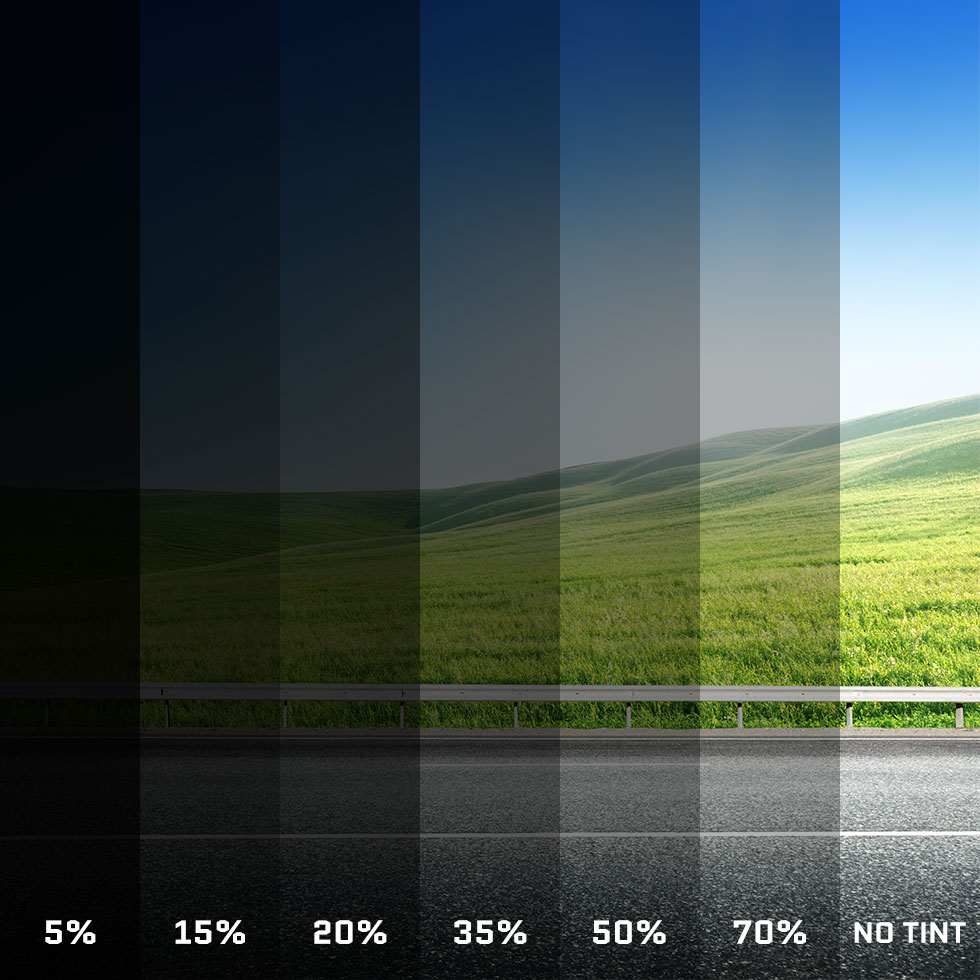
Window film shade is measured using Visible Light Transmission (VLT). VLT refers to the percentage of visible light that passes through the glass and film combination.
The lower the VLT percentage, the darker the film appears.
For example:
- 5% VLT allows approximately 5% of visible light to pass through.
- 20% VLT allows approximately 20% of visible light to pass through.
- 70% VLT allows approximately 70% of visible light to pass through.
Common Automotive Window Film Shades
| Shade | Typical Appearance | Privacy Level |
|---|---|---|
| 70% | Nearly Clear | Very Low |
| 50% | Light Tint | Low |
| 35% | Medium Tint | Moderate |
| 20% | Dark Tint | High |
| 15% | Very Dark Tint | Very High |
| 5% | Limo Tint | Maximum |
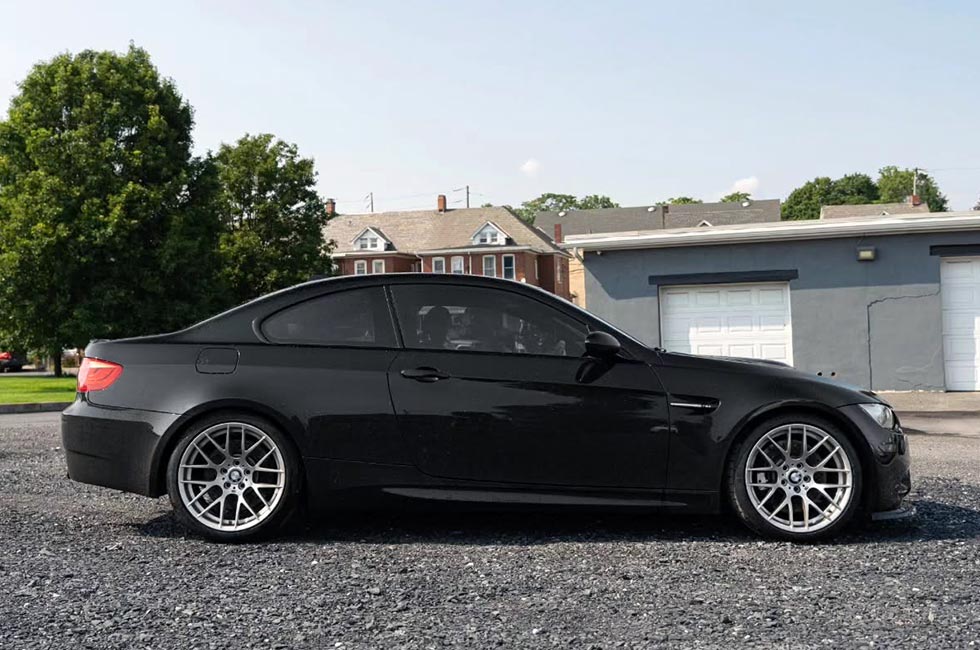
What Does 70% Window Film Look Like?
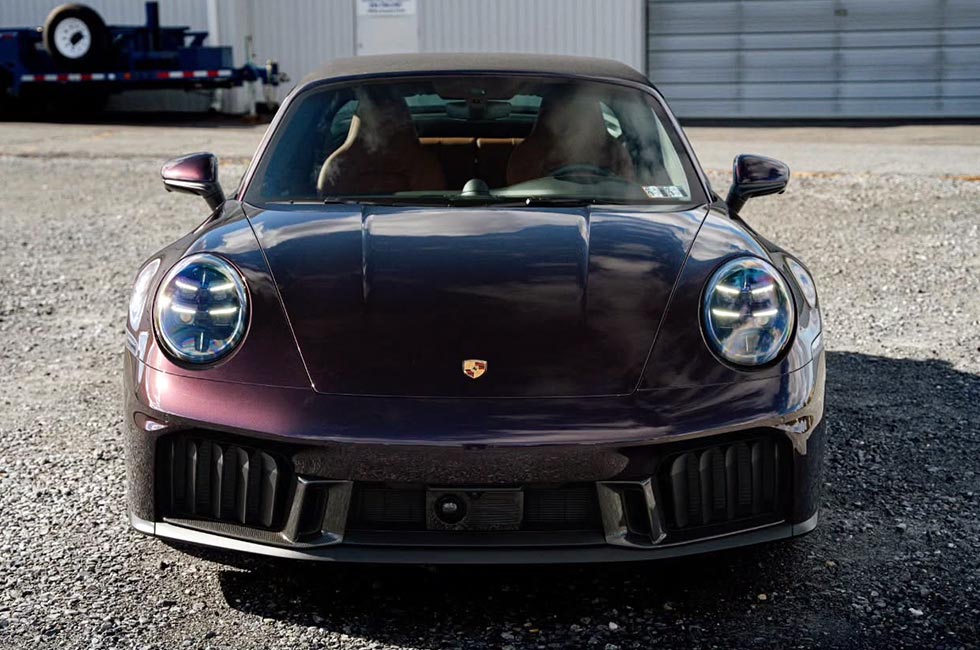
70% VLT is often referred to as a nearly clear film. It provides UV protection and heat insulation while maintaining a very natural appearance.
This shade is commonly used on windshields where permitted by law and in applications where preserving visibility is important.
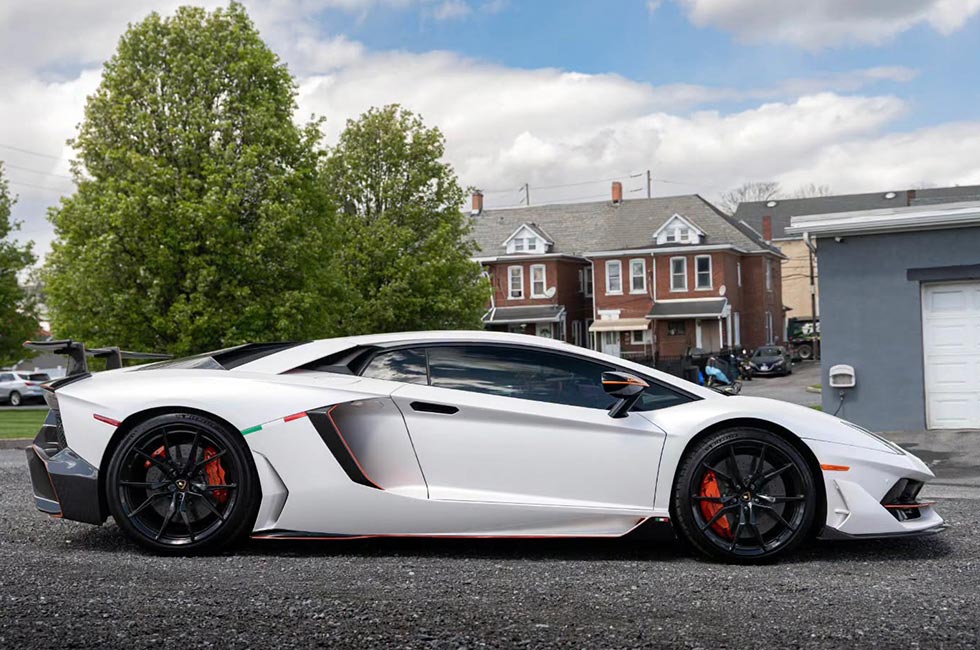
What Does 50% Window Film Look Like?
50% VLT provides a subtle tinted appearance while maintaining excellent visibility both day and night.
Many customers choose 50% when they want heat insulation and UV protection without dramatically changing the appearance of the glass.
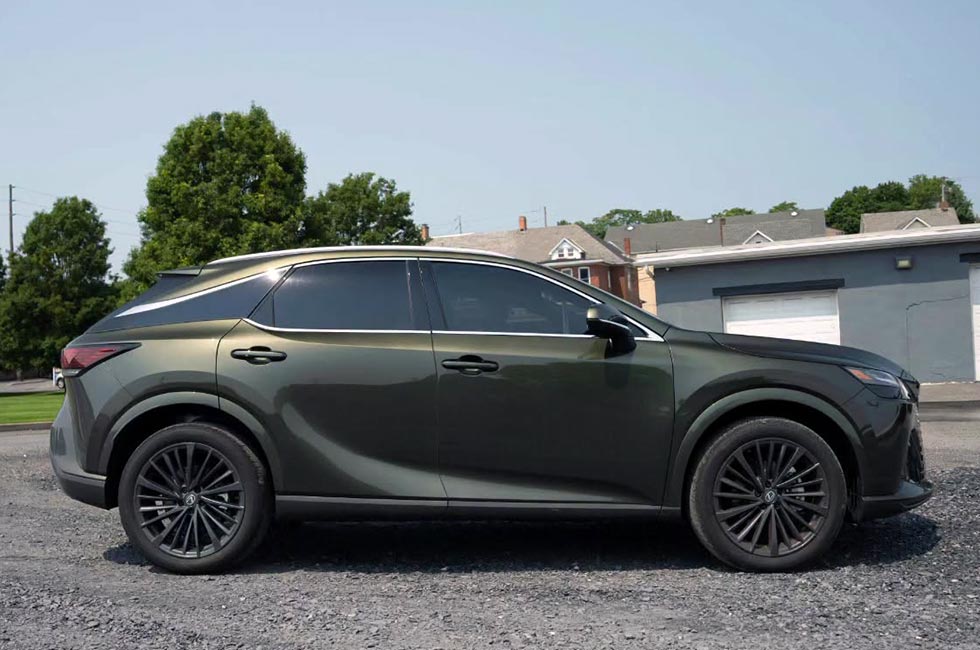
What Does 35% Window Film Look Like?
35% VLT is one of the most popular shades because it balances appearance, privacy, and visibility.
From the outside, the vehicle appears noticeably tinted while still maintaining good visibility from the inside.
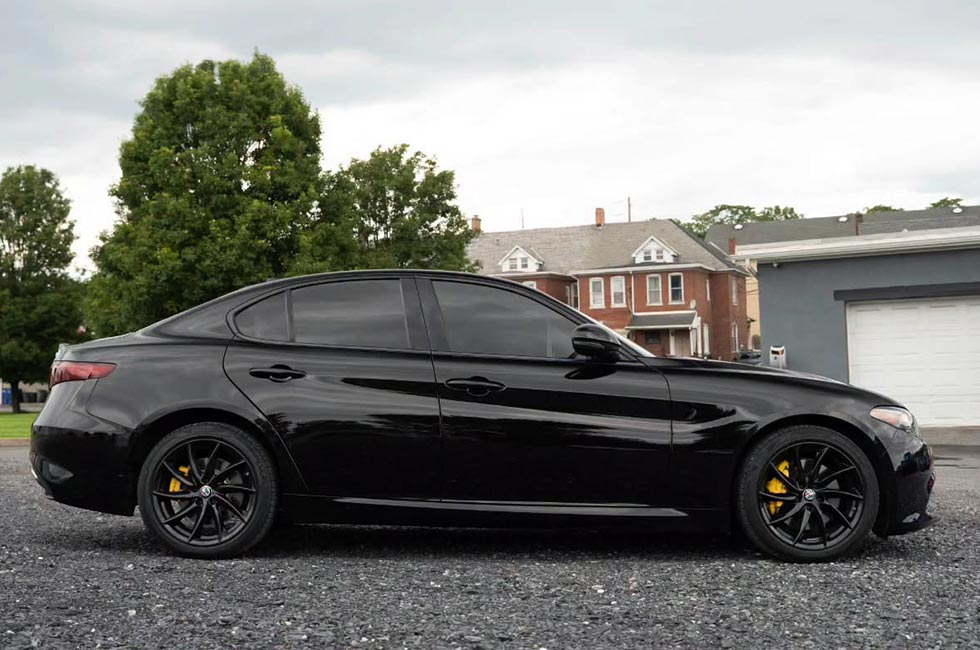
What Does 20% Window Film Look Like?
20% VLT is a popular privacy shade. It creates a darker appearance and makes it more difficult to see into the vehicle during daylight hours.
This shade is commonly selected by customers looking for a strong combination of privacy and appearance.
What Does 15% Window Film Look Like?
15% VLT offers even greater privacy and a noticeably darker appearance than 20% film.
Many customers choose 15% when maximum privacy is a priority while still maintaining reasonable visibility from inside the vehicle.
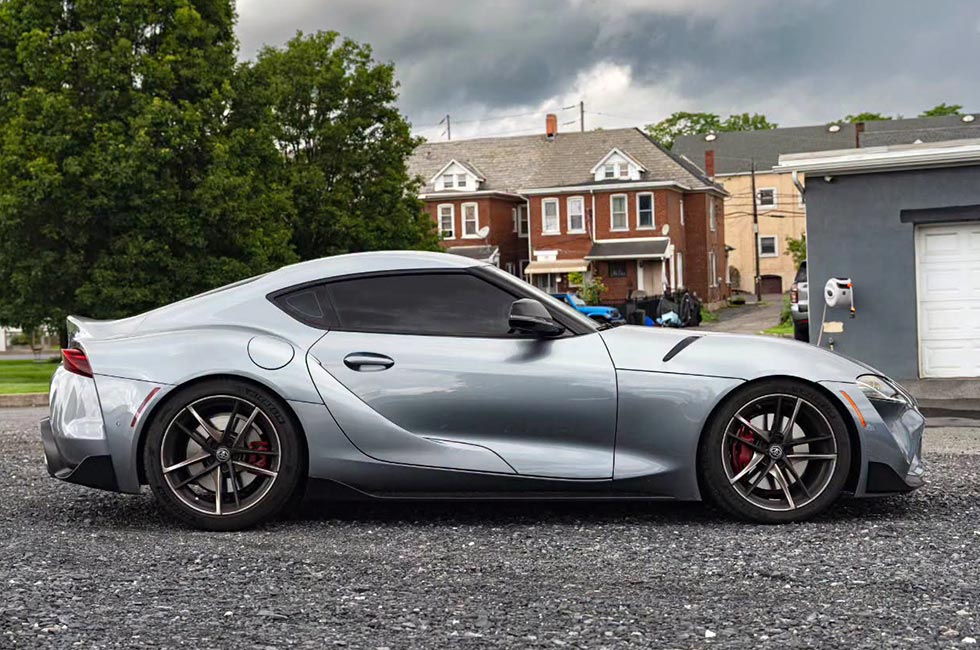
What Does 5% Window Film Look Like?
5% VLT is commonly referred to as limo tint. It provides the darkest appearance and highest level of privacy available.
Visibility from outside the vehicle is extremely limited during daylight conditions.
Because of its darkness, 5% film may reduce nighttime visibility and may not be legal on certain windows depending on local laws.
Darker Doesn't Always Mean Cooler
One of the biggest misconceptions about window film is that darker film automatically rejects more heat.
In reality, film technology often has a greater impact on comfort than shade alone.
For example, a lighter ceramic film like Panaflex or Nanoflex — built specifically for heat insulation — may reduce more heat than a darker carbon film like Duraflex or Terraflex, which are positioned around appearance rather than heat performance.
When selecting a film, consider both the shade and the technology behind it.
Privacy During the Day vs Night
Many customers associate darker film with privacy, but privacy is influenced by lighting conditions.
During the day, darker films generally make it more difficult to see inside a vehicle.
At night, if the interior is brightly illuminated, visibility into the vehicle may increase regardless of shade.
Architectural films follow similar principles, although reflective films can provide additional daytime privacy benefits.
Choosing the Right Shade for Your Goals
Choose 70% if:
- You want a nearly invisible appearance.
- You want heat insulation without a dark look.
- You prioritize visibility.
Choose 50% if:
- You want a subtle tint.
- You want excellent visibility.
- You prefer a factory-style appearance.
Choose 35% if:
- You want a balanced look.
- You want moderate privacy.
- You want one of the most versatile shade options.
Choose 20% if:
- You want strong privacy.
- You want a noticeably darker appearance.
- You want one of the most popular aftermarket shades.
Choose 15% if:
- You want very high privacy.
- You prefer a darker appearance.
Choose 5% if:
- You want maximum privacy.
- You prefer the darkest possible appearance.
Need Help Choosing?
The right shade depends on your goals, local tint laws, visibility preferences, and desired appearance.
If you're unsure which shade is right for your project, compare your options and consider how much privacy, visibility, and heat insulation you want to achieve.


On this Page
-
Understanding Window Film Shades
- What Is VLT?
- Common Automotive Window Film Shades
- What Does 70% Window Film Look Like?
- What Does 50% Window Film Look Like?
- What Does 35% Window Film Look Like?
- What Does 20% Window Film Look Like?
- What Does 15% Window Film Look Like?
- What Does 5% Window Film Look Like?
- Darker Doesn't Always Mean Cooler
- Privacy During the Day vs Night
- Choosing the Right Shade for Your Goals
- Need Help Choosing?