


-

About Flexfilm 2
-

Getting Started 10
-
Core Fundamentals 10
-
-

Orders & Support 83
-
Shipping 10
-
Dealer Rewards 13
-
Ordering & Account 7
-
Pre-Cut Patterns 2
-
General 9
-
Warranty 6
-
Billing & Tax 3
-
Route Package Protection 2
-
Returns & Refunds 2
-
Shop Pay 2
-
Training 1
-
Dealer & Installer Program 4
-
Selling & Quoting 9
-
Marketing & Growth 8
-
Business Operations 5
-
-

Installation Resources 19
-
Architectural 4
-
Automotive 5
-
General 10
-
-

Architectural Window Film 54
-
Safety & Compatibility 17
-
Ownership 2
-
Fundamentals 16
-
Buying Guides 4
-
Performance & Privacy 6
-
Product Guides 9
-
-

Automotive Window Film 40
-
Installation & Ownership 18
-
Product Guides 11
-
Legal & Compliance 3
-
Buying Guides 8
-
-

Tools 10
-
Cutting & Prep 3
-
Application 3
-
Measurement & Layout 2
-
Specialty 2
-
-

Plotters 8
-
Ownership 6
-
Buying Guides 2
-
-

FlexCut Software 25
-
Account & Licensing 5
-
Getting Started 10
-
Troubleshooting 2
-
Using FlexCut 8
-
-

Paint Protection Film (PPF) 10
-
Ownership 3
-
Fundamentals 4
-
Product Guides 3
-
-

Surface Coatings 13
-
Product Guides 7
-
Fundamentals 3
-
Ownership 3
-
Graphene vs Ceramic Coatings


Graphene vs Ceramic Coatings
Graphene coatings and ceramic coatings are two of the most popular paint protection technologies available today. Both are designed to protect a vehicle's exterior, improve appearance, and simplify maintenance, but they achieve these goals in slightly different ways.
Understanding the similarities and differences between graphene and ceramic coatings can help you determine which solution best fits your needs.
What Is a Ceramic Coating?
A ceramic coating is a liquid-applied protective coating that bonds to a vehicle's surface and creates a durable protective layer.
Ceramic coatings are known for their:
- Hydrophobic performance
- Chemical resistance
- Gloss enhancement
- Ease of maintenance
- Long-term durability
They have become one of the most popular alternatives to traditional waxes and paint sealants.
What Is a Graphene Coating?
A graphene coating is a protective coating that incorporates graphene-enhanced technology into its formulation.
Graphene is a carbon-based material known for its strength, conductivity, and durability.
When incorporated into automotive coatings, graphene is intended to enhance certain performance characteristics while maintaining many of the benefits associated with traditional ceramic coatings.
Graphene coatings are often viewed as an evolution of ceramic coating technology rather than an entirely different category of protection.
What Do They Have in Common?
Both graphene and ceramic coatings are designed to:
- Protect against environmental contaminants
- Improve water beading
- Enhance gloss and appearance
- Make maintenance easier
- Provide long-term protection
Both technologies offer substantially greater durability than traditional waxes and sealants.
Hydrophobic Performance
Both coating types are designed to create hydrophobic surfaces that encourage water to bead and roll away from the vehicle.
This helps:
- Reduce contaminant buildup
- Improve cleaning efficiency
- Minimize standing water
- Maintain a cleaner appearance
The exact hydrophobic performance depends on the specific product formulation and maintenance practices.
Gloss and Appearance
Both ceramic and graphene coatings can enhance the appearance of a vehicle.
Many coatings improve:
- Gloss
- Depth
- Surface slickness
- Visual clarity
The overall appearance achieved often depends as much on paint condition and preparation as it does on the coating itself.
Durability and Longevity
Both graphene and ceramic coatings are designed to provide long-term protection.
Actual longevity depends on:
- Product quality
- Surface preparation
- Application quality
- Environmental conditions
- Maintenance practices
Premium versions of both technologies can provide years of protection when properly maintained.
Heat Management
One of the commonly discussed advantages of graphene-enhanced coatings is heat management.
Some graphene coating manufacturers claim that graphene's unique properties may help reduce surface heat retention compared to traditional ceramic coatings.
However, real-world results can vary depending on the product and environmental conditions.
For most vehicle owners, the practical benefits are often more closely tied to overall coating quality than to any single marketing claim.
Water Spot Resistance
Graphene coatings are frequently marketed as offering improved resistance to water spotting.
Because water spotting is influenced by many factors—including water quality, environmental exposure, and maintenance habits—results can vary.
Regardless of coating type, prompt washing and proper maintenance remain important for minimizing water spot formation.
Do Graphene Coatings Replace Ceramic Coatings?
No.
Graphene coatings do not make ceramic coatings obsolete.
Instead, they represent an alternative coating technology that builds upon many of the same principles.
Both technologies continue to be widely used throughout the automotive detailing industry.
What Graphene and Ceramic Coatings Cannot Do
Regardless of which coating you choose, neither product is designed to provide impact protection.
Neither graphene nor ceramic coatings can prevent:
- Rock chips
- Road debris damage
- Dents
- Major scratches
- Collision damage
For physical paint protection, Paint Protection Film remains the preferred solution.
Graphene and Ceramic Coatings Over PPF
Both graphene and ceramic coatings can often be applied over Paint Protection Film.
This combination allows vehicle owners to benefit from:
- Physical protection from PPF
- Hydrophobic performance from the coating
- Easier maintenance
- Enhanced appearance
Many enthusiasts consider this combination the highest level of exterior vehicle protection.
Coating Farm USA Graphene and Ceramic Options
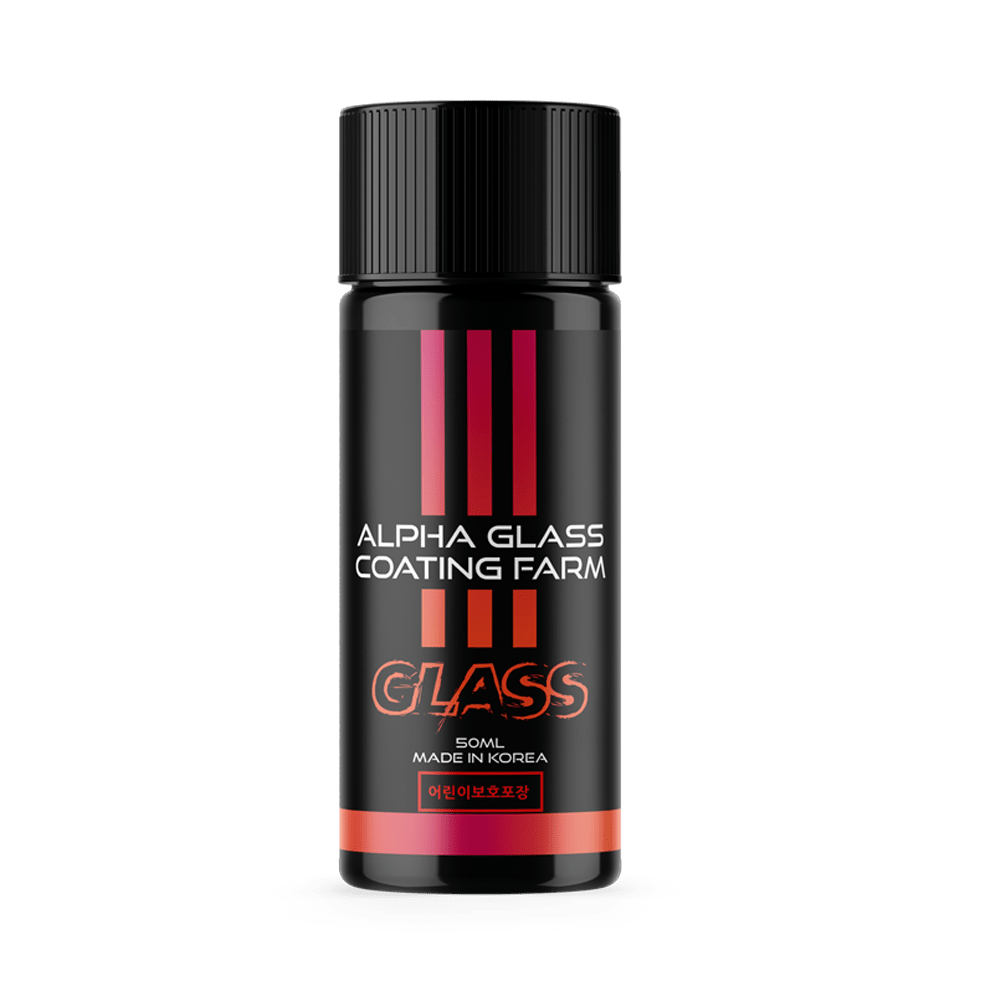
Coating Farm USA offers both graphene-enhanced and ceramic coating solutions.
Popular options include:
- Alpha Prime Graphene 10H
- Quartz Pro Graphene 10H
- Aqua Coat Prime 9H
- Ceramic King 9H
Each product is designed to provide varying levels of durability, protection, hydrophobic performance, and appearance enhancement.
Which Should You Choose?
Choose a Graphene Coating If:
- You prefer graphene-enhanced technology.
- You want premium hydrophobic performance.
- You are looking for a high-end protection solution.
- You value long-term durability and ease of maintenance.
Choose a Ceramic Coating If:
- You want proven coating technology.
- You prioritize gloss and environmental protection.
- You want easier maintenance and strong hydrophobic performance.
- You are looking for a long-lasting alternative to wax.
For most vehicle owners, either technology can provide excellent results when properly applied and maintained.
Key Takeaways
- Graphene coatings and ceramic coatings share many similar benefits.
- Both provide hydrophobic performance, environmental protection, and easier maintenance.
- Graphene coatings are often considered an evolution of ceramic coating technology.
- Neither coating provides protection against rock chips or road debris.
- Paint Protection Film remains the preferred solution for impact protection.
- Product quality and proper maintenance often have a greater impact on results than the technology label alone.
Helpful Links


On this Page
-
Graphene vs Ceramic Coatings
- What Is a Ceramic Coating?
- What Is a Graphene Coating?
- What Do They Have in Common?
- Hydrophobic Performance
- Gloss and Appearance
- Durability and Longevity
- Heat Management
- Water Spot Resistance
- Do Graphene Coatings Replace Ceramic Coatings?
- What Graphene and Ceramic Coatings Cannot Do
- Graphene and Ceramic Coatings Over PPF
- Coating Farm USA Graphene and Ceramic Options
- Which Should You Choose?
- Key Takeaways
- Helpful Links