


-

About Flexfilm 2
-

Getting Started 10
-
Core Fundamentals 10
-
-

Orders & Support 77
-
Shipping 9
-
Dealer Rewards 13
-
Ordering & Account 7
-
Pre-Cut Patterns 2
-
General 7
-
Warranty 6
-
Installer & Dealer Program 24
-
Billing & Tax 2
-
Route Package Protection 2
-
Returns & Refunds 2
-
Shop Pay 2
-
Training 1
-
-

Installation Resources 16
-
Architectural 4
-
Automotive 5
-
General 7
-
-

Architectural Window Film 50
-
Safety & Compatibility 16
-
Ownership 2
-
Fundamentals 13
-
Buying Guides 4
-
Performance & Privacy 6
-
Product Guides 9
-
-

Automotive Window Film 38
-
Installation & Ownership 16
-
Product Guides 11
-
Legal & Compliance 3
-
Buying Guides 8
-
-

Plotters 7
-
Ownership 5
-
Buying Guides 2
-
-

FlexCut Software 12
-
Account & Licensing 4
-
Getting Started 6
-
Troubleshooting 2
-
-

Paint Protection Film (PPF) 10
-
Ownership 3
-
Fundamentals 4
-
Product Guides 3
-
-

Surface Coatings 12
-
Product Guides 6
-
Fundamentals 3
-
Ownership 3
-
PPF Care & Maintenance


PPF Care & Maintenance
Paint Protection Film (PPF) is designed to help protect your vehicle's paint from rock chips, road debris, environmental contaminants, and everyday wear. While PPF is highly durable, proper care and maintenance are important for maximizing its appearance, performance, and lifespan.
With routine maintenance and proper washing techniques, your Paint Protection Film can continue looking great and performing as intended for many years.
The First Few Days After Installation
Freshly installed Paint Protection Film requires time to fully bond to the vehicle's surface.
During this period, it is normal to observe minor installation-related characteristics such as:
- Small water pockets
- Light haze
- Temporary moisture patterns
- Minor optical distortion
These conditions are typically part of the normal curing process and generally improve as the film settles and moisture evaporates.
When Can I Wash My Vehicle?
It is generally recommended to avoid washing the vehicle immediately after installation.
Allowing the film adequate time to cure helps ensure proper adhesion and long-term performance.
If you recently had PPF installed, follow your installer's specific recommendations regarding wash timing and aftercare.
Hand Washing Is Recommended
Regular washing is one of the best ways to maintain Paint Protection Film.
Hand washing allows for better control and helps minimize unnecessary wear on the film's surface.
When washing your vehicle:
- Use clean wash mitts.
- Use quality automotive wash products.
- Rinse thoroughly before washing.
- Wash from top to bottom.
- Use proper drying techniques.
Routine cleaning helps prevent contaminants from remaining on the film for extended periods.
Can PPF Go Through a Car Wash?
Many modern Paint Protection Films can withstand automatic car washes once fully cured.
However, touchless wash systems are generally preferred whenever possible.
Brush-style washes may increase the likelihood of surface marring over time and can be more aggressive on film edges.
For the best long-term appearance, hand washing remains the preferred method.
Remove Contaminants Promptly
Certain contaminants can become more difficult to remove the longer they remain on the vehicle.
Examples include:
- Bug splatter
- Bird droppings
- Tree sap
- Road tar
- Industrial fallout
Prompt removal helps maintain both the appearance and performance of the film.
Hydrophobic Surfaces Make Cleaning Easier
Many modern Paint Protection Films feature hydrophobic surface technology.
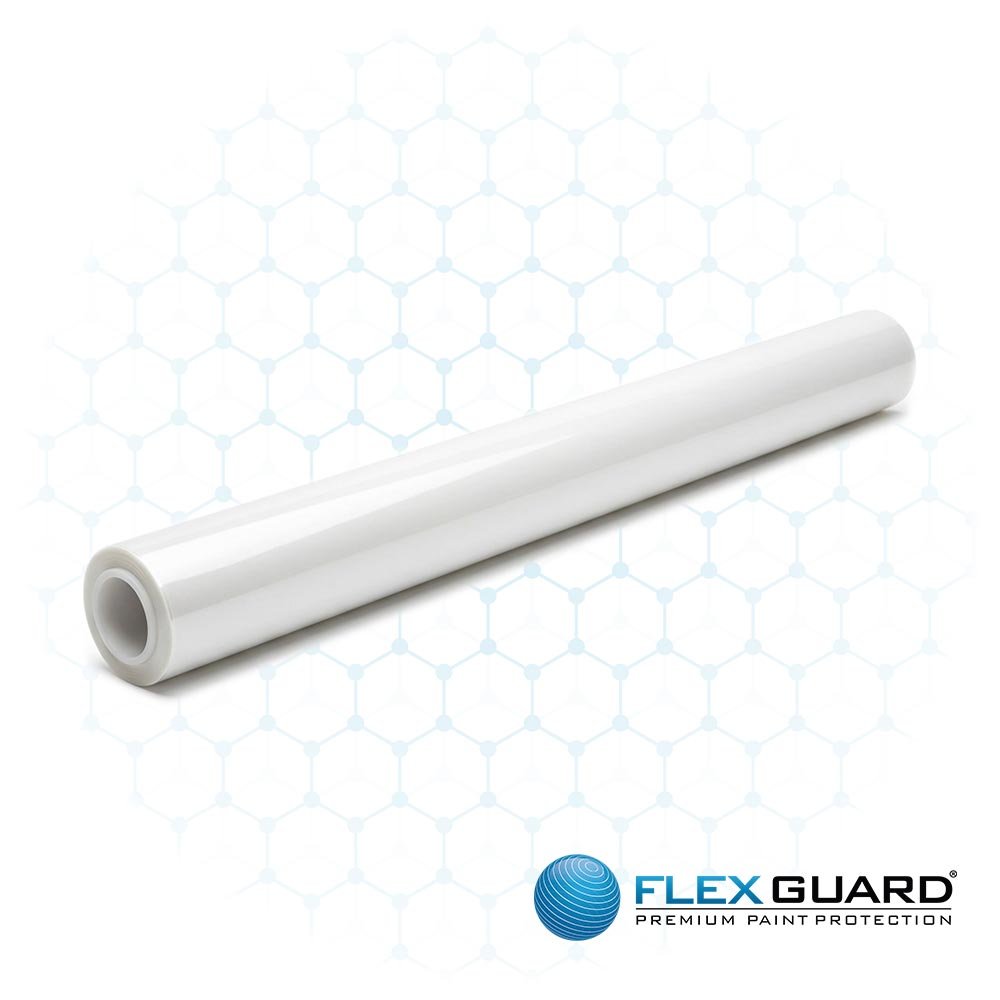
FlexGuard includes hydrophobic properties that help water bead and roll away more easily.
This can:
- Reduce contaminant buildup
- Improve washing efficiency
- Reduce standing water
- Help maintain a cleaner appearance
Even with hydrophobic technology, routine washing remains important.
Understanding Self-Healing Technology
FlexGuard also features a self-healing surface designed to help reduce the appearance of minor scratches and swirl marks.
When exposed to heat from sunlight, warm water, or ambient temperatures, light surface imperfections may become less noticeable over time.
While self-healing technology can improve appearance, it is not a substitute for proper maintenance and care.
Avoid Abrasive Cleaning Methods
To help preserve the appearance of Paint Protection Film, avoid abrasive cleaning materials whenever possible.
Examples include:
- Harsh scrubbing pads
- Abrasive brushes
- Improper wash tools
- Dirty towels or mitts
Using clean, quality automotive detailing products helps minimize the risk of unnecessary surface damage.
Inspect the Film Periodically
Regular inspections can help identify issues before they become more significant.
Periodically check the film for:
- Damage from impacts
- Deep scratches
- Edge lifting
- Contaminant buildup
- Areas requiring attention
Addressing concerns early often helps maintain the appearance and effectiveness of the film.
Can You Apply Ceramic Coating Over PPF?
Yes.
Many vehicle owners choose to apply a ceramic coating over Paint Protection Film.
This combination can provide:
- Improved hydrophobic performance
- Easier cleaning
- Enhanced gloss
- Additional environmental protection
While not required, ceramic coatings are a popular complement to PPF.
What If the Film Gets Damaged?
Paint Protection Film is designed to absorb damage that might otherwise affect the vehicle's paint.
If a section of film experiences significant damage, replacement of the affected section may be recommended.
One of the benefits of PPF is that the film can often be replaced while preserving the paint underneath.
How Long Can PPF Last?
The lifespan of Paint Protection Film depends on factors such as:
- Product quality
- Installation quality
- Environmental conditions
- Vehicle usage
- Maintenance practices
Proper care helps maximize the life and appearance of the film.
Maintaining FlexGuard PPF
FlexGuard combines 8 mil TPU construction, self-healing technology, hydrophobic surface properties, and exceptional optical clarity.
Routine washing and proper maintenance help ensure these features continue performing as intended throughout the life of the film.
Key Takeaways
- Proper maintenance helps maximize the appearance and lifespan of Paint Protection Film.
- Hand washing is generally the preferred cleaning method.
- Contaminants such as bug splatter and bird droppings should be removed promptly.
- FlexGuard features hydrophobic and self-healing technologies that help simplify maintenance.
- Abrasive cleaning methods should be avoided whenever possible.
- Routine inspections help identify damage and maintenance needs early.
Helpful Links


On this Page
-
PPF Care & Maintenance
- The First Few Days After Installation
- When Can I Wash My Vehicle?
- Hand Washing Is Recommended
- Can PPF Go Through a Car Wash?
- Remove Contaminants Promptly
- Hydrophobic Surfaces Make Cleaning Easier
- Understanding Self-Healing Technology
- Avoid Abrasive Cleaning Methods
- Inspect the Film Periodically
- Can You Apply Ceramic Coating Over PPF?
- What If the Film Gets Damaged?
- How Long Can PPF Last?
- Maintaining FlexGuard PPF
- Key Takeaways
- Helpful Links