


-

About Flexfilm 2
-

Getting Started 10
-
Core Fundamentals 10
-
-

Orders & Support 77
-
Shipping 9
-
Dealer Rewards 13
-
Ordering & Account 7
-
Pre-Cut Patterns 2
-
General 7
-
Warranty 6
-
Installer & Dealer Program 24
-
Billing & Tax 2
-
Route Package Protection 2
-
Returns & Refunds 2
-
Shop Pay 2
-
Training 1
-
-

Installation Resources 16
-
Architectural 4
-
Automotive 5
-
General 7
-
-

Architectural Window Film 50
-
Safety & Compatibility 16
-
Ownership 2
-
Fundamentals 13
-
Buying Guides 4
-
Performance & Privacy 6
-
Product Guides 9
-
-

Automotive Window Film 38
-
Installation & Ownership 16
-
Product Guides 11
-
Legal & Compliance 3
-
Buying Guides 8
-
-

Plotters 7
-
Ownership 5
-
Buying Guides 2
-
-

FlexCut Software 12
-
Account & Licensing 4
-
Getting Started 6
-
Troubleshooting 2
-
-

Paint Protection Film (PPF) 10
-
Ownership 3
-
Fundamentals 4
-
Product Guides 3
-
-

Surface Coatings 12
-
Product Guides 6
-
Fundamentals 3
-
Ownership 3
-
Self-Healing Technology Explained


Self-Healing Technology Explained
One of the most impressive features of modern Paint Protection Film (PPF) is self-healing technology. This advanced feature helps maintain the appearance of the film by reducing the visibility of minor surface scratches and swirl marks that can occur during everyday use.
While self-healing technology cannot repair every type of damage, it can significantly improve the long-term appearance of Paint Protection Film and help keep protected surfaces looking newer for longer.
What Is Self-Healing Technology?
Self-healing technology refers to a specialized top coat applied to the surface of certain Paint Protection Films.
This layer is designed to respond to heat by allowing minor surface imperfections to become less visible over time.
Rather than permanently retaining every small scratch or swirl mark, the film's surface can often return to a smoother appearance when exposed to heat.
How Does Self-Healing Technology Work?
The self-healing layer is engineered to have elastic properties that allow the surface to recover from certain minor defects.
When heat is introduced, the top coat can relax and return toward its original shape.
This process helps reduce the appearance of:
- Light surface scratches
- Wash-induced swirl marks
- Minor scuffs
- Surface marring
The result is a film that maintains a cleaner, more uniform appearance throughout its service life.
What Triggers the Self-Healing Process?
Heat is the primary trigger for self-healing technology.
Common heat sources include:
- Direct sunlight
- Warm weather
- Warm water
- Heated environments
In many cases, minor surface imperfections may become less noticeable naturally as the vehicle is exposed to normal outdoor conditions.
What Types of Damage Can Self-Healing Technology Help With?
Self-healing technology is designed to address minor surface-level imperfections.
Examples include:
- Light scratches
- Fine swirl marks
- Minor wash marring
- Surface scuffs
These types of imperfections often affect only the outermost layer of the film.
When heat is applied, the self-healing surface can often reduce their visibility.
What Damage Cannot Be Self-Healed?
Self-healing technology is not designed to repair severe damage.
Examples include:
- Rock chips that penetrate the film
- Deep cuts
- Tears
- Punctures
- Severe abrasions
If damage extends beyond the self-healing top coat, repair or replacement of the affected film section may be necessary.
Why Is Self-Healing Important?
Vehicles are exposed to countless opportunities for minor surface damage.
Routine washing, drying, road dust, and daily use can all create light imperfections over time.
Without self-healing technology, these defects may accumulate and reduce the appearance of the film.
Self-healing surfaces help maintain clarity and appearance by minimizing the visual impact of everyday wear.
Does Self-Healing Affect Clarity?
No.
High-quality self-healing Paint Protection Films are designed to maintain excellent optical clarity while providing protection.
When properly installed, the film remains nearly invisible and allows the vehicle's original paint color and finish to remain visible.
FlexGuard Self-Healing Technology
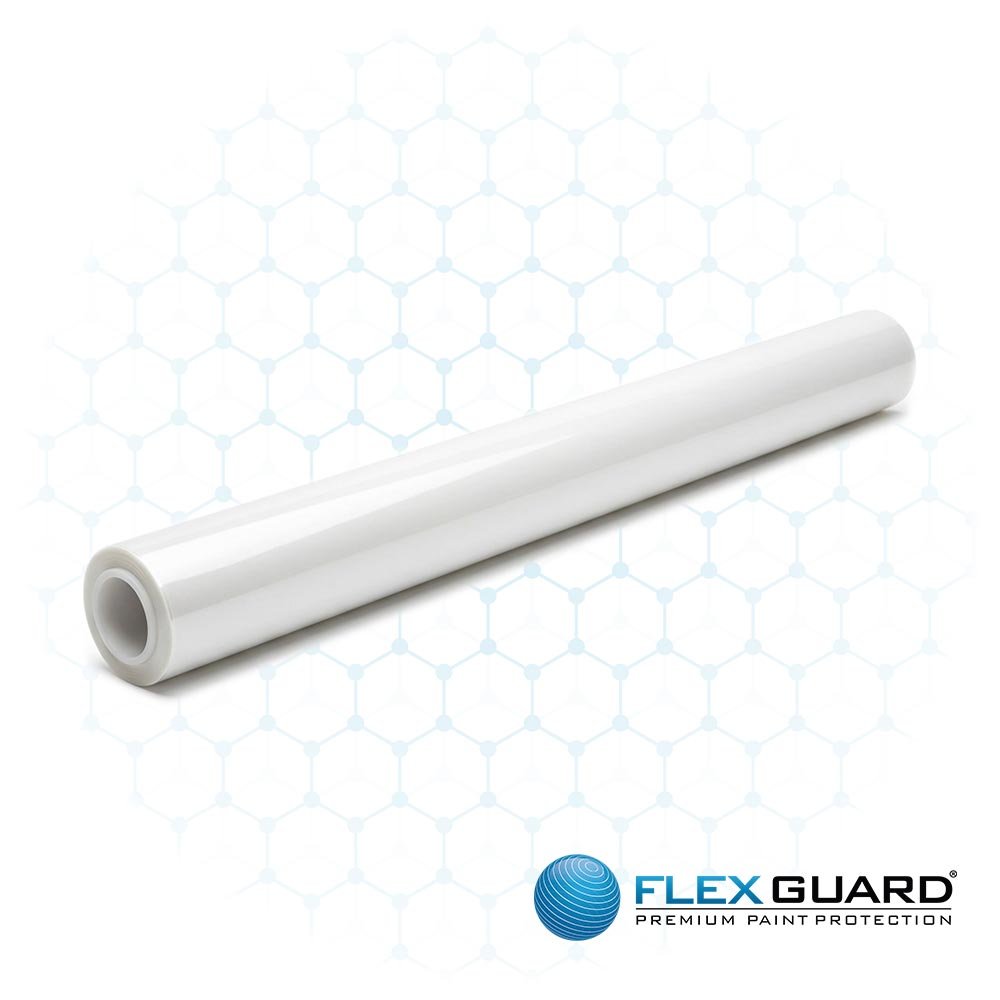
FlexGuard Paint Protection Film features a self-healing surface designed to help reduce the appearance of minor scratches and swirl marks.
This technology helps preserve the appearance of the film while maintaining the exceptional clarity expected from a premium Paint Protection Film.
Combined with FlexGuard's 8 mil TPU construction and hydrophobic surface properties, self-healing technology contributes to long-term vehicle protection and appearance preservation.
Self-Healing vs Ceramic Coatings
Many vehicle owners assume ceramic coatings and self-healing technology provide the same benefits, but they serve different purposes.
Ceramic coatings primarily improve chemical resistance, hydrophobic performance, and ease of maintenance.
Self-healing Paint Protection Film is designed to help manage minor physical imperfections through heat-activated surface recovery.
While some coatings may reduce the appearance of minor defects, true self-healing is most commonly associated with modern Paint Protection Films.
How to Maintain a Self-Healing Film
To maximize the performance and appearance of self-healing Paint Protection Film:
- Wash the vehicle regularly using proper techniques.
- Avoid abrasive cleaning tools.
- Remove contaminants promptly.
- Follow manufacturer care recommendations.
- Inspect the film periodically for damage.
Proper maintenance helps preserve both the protective and cosmetic benefits of the film.
Is Self-Healing Technology Worth It?
For many vehicle owners, self-healing technology is one of the most valuable features of modern Paint Protection Film.
By helping minimize the appearance of everyday wear, it allows the film to maintain a cleaner, newer appearance throughout its lifespan.
This can reduce the visual impact of normal use and help preserve the appearance of the vehicle's finish.
Key Takeaways
- Self-healing technology helps reduce the appearance of minor scratches and swirl marks.
- Heat activates the self-healing process.
- Direct sunlight and warm water can often trigger surface recovery.
- Self-healing technology is designed for minor surface imperfections, not severe damage.
- FlexGuard PPF features a self-healing surface layer.
- Self-healing technology helps maintain the appearance of Paint Protection Film over time.
Helpful Links


On this Page
-
Self-Healing Technology Explained
- What Is Self-Healing Technology?
- How Does Self-Healing Technology Work?
- What Triggers the Self-Healing Process?
- What Types of Damage Can Self-Healing Technology Help With?
- What Damage Cannot Be Self-Healed?
- Why Is Self-Healing Important?
- Does Self-Healing Affect Clarity?
- FlexGuard Self-Healing Technology
- Self-Healing vs Ceramic Coatings
- How to Maintain a Self-Healing Film
- Is Self-Healing Technology Worth It?
- Key Takeaways
- Helpful Links