


-

About Flexfilm 2
-

Getting Started 10
-
Core Fundamentals 10
-
-

Orders & Support 77
-
Shipping 9
-
Dealer Rewards 13
-
Ordering & Account 7
-
Pre-Cut Patterns 2
-
General 7
-
Warranty 6
-
Installer & Dealer Program 24
-
Billing & Tax 2
-
Route Package Protection 2
-
Returns & Refunds 2
-
Shop Pay 2
-
Training 1
-
-

Installation Resources 16
-
Architectural 4
-
Automotive 5
-
General 7
-
-

Architectural Window Film 50
-
Safety & Compatibility 16
-
Ownership 2
-
Fundamentals 13
-
Buying Guides 4
-
Performance & Privacy 6
-
Product Guides 9
-
-

Automotive Window Film 38
-
Installation & Ownership 16
-
Product Guides 11
-
Legal & Compliance 3
-
Buying Guides 8
-
-

Plotters 7
-
Ownership 5
-
Buying Guides 2
-
-

FlexCut Software 12
-
Account & Licensing 4
-
Getting Started 6
-
Troubleshooting 2
-
-

Paint Protection Film (PPF) 10
-
Ownership 3
-
Fundamentals 4
-
Product Guides 3
-
-

Surface Coatings 12
-
Product Guides 6
-
Fundamentals 3
-
Ownership 3
-
PPF vs Ceramic Coating


PPF vs Ceramic Coating: What's the Difference?
Paint Protection Film (PPF) and ceramic coatings are two of the most popular ways to protect a vehicle's exterior. While both products help preserve a vehicle's appearance, they serve very different purposes and provide different types of protection.
Understanding the strengths and limitations of each product can help you choose the right solution for your vehicle.
What Is Paint Protection Film (PPF)?
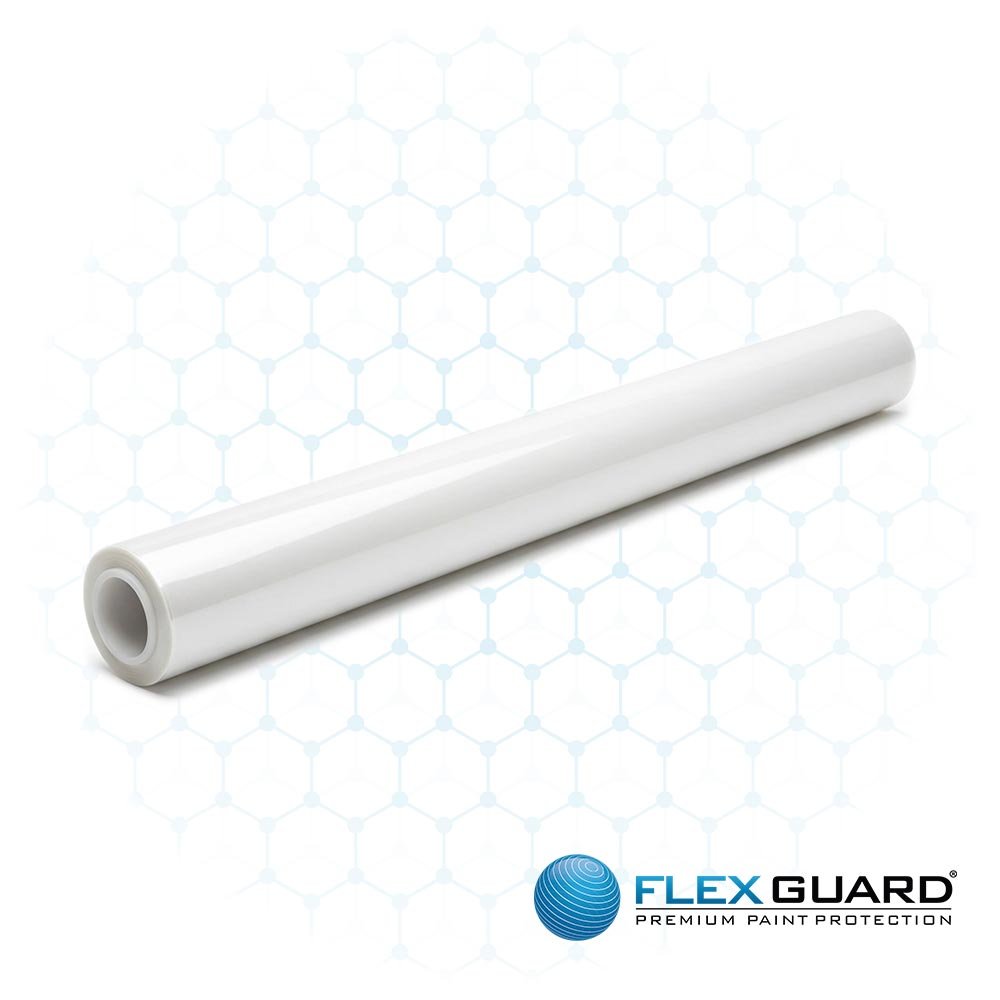
Paint Protection Film is a transparent urethane film installed directly onto a vehicle's painted surfaces.
Its primary purpose is to provide physical protection against road hazards and everyday wear.
PPF acts as a sacrificial barrier that absorbs damage before it reaches the vehicle's paint.
FlexGuard is Flexfilm's premium Paint Protection Film designed to provide long-term protection while maintaining exceptional optical clarity.
What Is a Ceramic Coating?
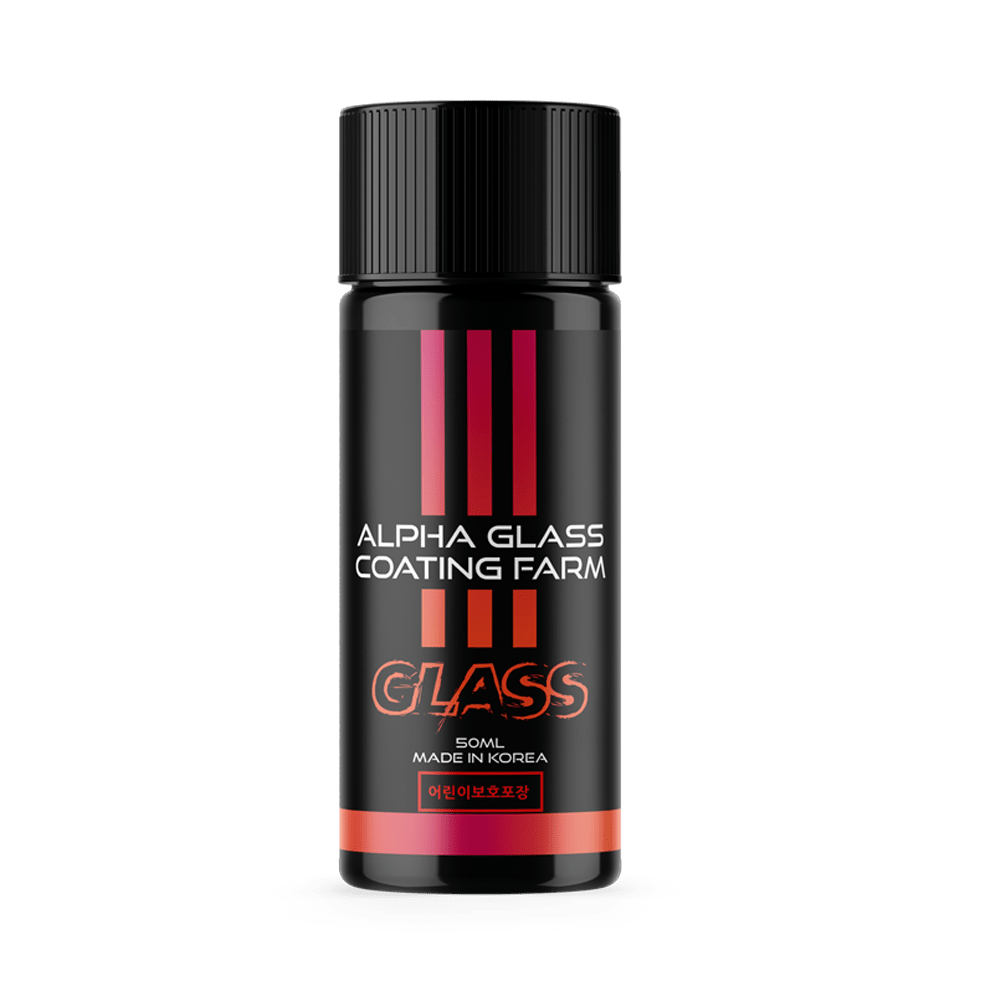
A ceramic coating is a liquid-applied protective coating that chemically bonds to a vehicle's exterior surfaces.
Its primary purpose is to improve surface protection, chemical resistance, gloss, and ease of maintenance.
Unlike PPF, ceramic coatings are measured in microns rather than mils and are not designed to absorb physical impacts.
The Biggest Difference: Impact Protection
The most important difference between PPF and ceramic coatings is impact protection.
PPF is designed to help protect against:
- Rock chips
- Road debris
- Minor scratches
- Scuffs
- Abrasion
Ceramic coatings are not designed to stop rock chips or absorb impacts.
While ceramic coatings can help reduce minor wash-induced marring and surface contamination, they do not provide the physical barrier offered by Paint Protection Film.
Protection Comparison
| Feature | PPF | Ceramic Coating |
|---|---|---|
| Rock Chip Protection | Excellent | No |
| Road Debris Protection | Excellent | No |
| Scratch Resistance | Very Good | Limited |
| Chemical Resistance | Good | Excellent |
| Hydrophobic Properties | Good | Excellent |
| Ease of Cleaning | Good | Excellent |
| UV Protection | Good | Good |
| Impact Protection | Excellent | No |
PPF Protects Against Physical Damage
Because Paint Protection Film is substantially thicker than a ceramic coating, it is capable of absorbing impacts from common road hazards.
FlexGuard features an 8 mil urethane construction designed to help protect painted surfaces from everyday damage.
This physical barrier is one of the primary reasons vehicle owners choose PPF.
Ceramic Coatings Make Maintenance Easier
Ceramic coatings excel at creating a slick, hydrophobic surface.
This helps:
- Water bead more effectively
- Reduce contaminant buildup
- Improve cleaning performance
- Enhance gloss and appearance
For many vehicle owners, the reduced maintenance requirements are one of the biggest benefits of ceramic coatings.
What About Self-Healing?
Many premium Paint Protection Films feature self-healing top coats.
Minor surface scratches and swirl marks can often become less visible when exposed to heat from sunlight or warm water.
Most ceramic coatings do not possess true self-healing capabilities.
While some coatings can help reduce the appearance of minor defects, they generally do not repair themselves in the same way that self-healing PPF can.
Appearance Differences
Both products are designed to preserve and enhance the appearance of a vehicle.
High-quality PPF is nearly invisible once installed and helps maintain the factory finish.
Ceramic coatings often enhance gloss, depth, and surface slickness.
Neither product significantly changes the color of the vehicle when properly installed.
Can You Apply Ceramic Coating Over PPF?
Yes.
Many vehicle owners choose to install a ceramic coating over Paint Protection Film.
This combination allows the vehicle to benefit from:
- The impact protection of PPF
- The hydrophobic properties of ceramic coatings
- Easier maintenance
- Enhanced appearance
For many enthusiasts, this combination represents the highest level of exterior vehicle protection.
Which Areas Should Be Protected With PPF?
Because PPF is more expensive than ceramic coating, many vehicle owners focus protection on the areas most likely to experience damage.
Common PPF coverage areas include:
- Front bumper
- Full hood
- Front fenders
- Side mirrors
- Rocker panels
- Door cups
These are often the areas most vulnerable to road debris and rock chips.
Which Option Is Right for You?
Choose PPF If:
- You want protection from rock chips.
- You frequently drive on highways.
- You want the highest level of paint protection available.
- You own a new vehicle or specialty vehicle.
- You want self-healing protection.
Choose a Ceramic Coating If:
- You want easier vehicle maintenance.
- You prioritize water beading and surface slickness.
- You want enhanced gloss.
- You are primarily concerned with chemical and environmental protection.
Choose Both If:
- You want maximum protection.
- You want impact resistance and easier maintenance.
- You want the benefits of both technologies working together.
Key Takeaways
- PPF and ceramic coatings are designed for different purposes.
- PPF provides physical protection against rock chips and road debris.
- Ceramic coatings provide hydrophobic properties, chemical resistance, and easier maintenance.
- Ceramic coatings cannot replace Paint Protection Film for impact protection.
- Many vehicle owners choose to combine both products for maximum protection.
- FlexGuard PPF provides impact protection that ceramic coatings alone cannot offer.
Helpful Links


On this Page
-
PPF vs Ceramic Coating: What's the Difference?
- What Is Paint Protection Film (PPF)?
- What Is a Ceramic Coating?
- The Biggest Difference: Impact Protection
- Protection Comparison
- PPF Protects Against Physical Damage
- Ceramic Coatings Make Maintenance Easier
- What About Self-Healing?
- Appearance Differences
- Can You Apply Ceramic Coating Over PPF?
- Which Areas Should Be Protected With PPF?
- Which Option Is Right for You?
- Key Takeaways
- Helpful Links