


-

About Flexfilm 2
-

Getting Started 10
-
Core Fundamentals 10
-
-

Orders & Support 77
-
Shipping 9
-
Dealer Rewards 13
-
Ordering & Account 7
-
Pre-Cut Patterns 2
-
General 7
-
Warranty 6
-
Installer & Dealer Program 24
-
Billing & Tax 2
-
Route Package Protection 2
-
Returns & Refunds 2
-
Shop Pay 2
-
Training 1
-
-

Installation Resources 16
-
Architectural 4
-
Automotive 5
-
General 7
-
-

Architectural Window Film 50
-
Safety & Compatibility 16
-
Ownership 2
-
Fundamentals 13
-
Buying Guides 4
-
Performance & Privacy 6
-
Product Guides 9
-
-

Automotive Window Film 38
-
Installation & Ownership 16
-
Product Guides 11
-
Legal & Compliance 3
-
Buying Guides 8
-
-

Plotters 7
-
Ownership 5
-
Buying Guides 2
-
-

FlexCut Software 12
-
Account & Licensing 4
-
Getting Started 6
-
Troubleshooting 2
-
-

Paint Protection Film (PPF) 10
-
Ownership 3
-
Fundamentals 4
-
Product Guides 3
-
-

Surface Coatings 12
-
Product Guides 6
-
Fundamentals 3
-
Ownership 3
-
How Long Does PPF Last?


How Long Does Paint Protection Film Last?
Paint Protection Film (PPF) is designed to provide long-term protection against rock chips, road debris, environmental contaminants, and everyday wear. While no automotive protection product lasts forever, modern Paint Protection Films are engineered to deliver years of reliable performance when properly installed and maintained.
The actual lifespan of PPF depends on several factors, including product quality, installation quality, environmental conditions, and maintenance practices.
How Long Does PPF Typically Last?
Premium Paint Protection Films can provide many years of protection under normal driving conditions.
While the exact lifespan varies from vehicle to vehicle, modern PPF products are designed to remain clear, durable, and protective throughout years of everyday use.
The longevity of the film depends on both the product itself and how the vehicle is cared for over time.
What Factors Affect PPF Lifespan?
Film Quality
Not all Paint Protection Films are created equal.
Higher-quality films typically feature advanced urethane construction, self-healing technology, improved UV resistance, and enhanced durability.
These features can contribute to longer service life and better long-term appearance.
Installation Quality
Professional installation plays a significant role in the longevity of Paint Protection Film.
Proper preparation, application techniques, and finishing procedures help ensure the film performs as intended throughout its lifespan.
Environmental Exposure
Vehicles are exposed to a wide range of environmental conditions that can influence film longevity.
Examples include:
- Intense sunlight
- UV exposure
- Extreme temperatures
- Road salt
- Industrial fallout
- Harsh weather conditions
Vehicles that spend significant time outdoors may experience different wear patterns than vehicles that are regularly garaged.
Driving Conditions
The amount and type of driving can also affect the lifespan of Paint Protection Film.
Vehicles that frequently travel on highways or gravel roads may encounter more road debris and impacts than vehicles used primarily for city driving.
Maintenance Practices
Routine washing and proper maintenance can help preserve the appearance and performance of Paint Protection Film.
Removing contaminants promptly and following recommended care practices helps maximize the film's lifespan.
Signs Your PPF Is Performing Properly
Even after years of use, quality Paint Protection Film should continue providing protection while maintaining a clean appearance.
Common indicators of healthy film performance include:
- Good optical clarity
- Consistent appearance
- Strong adhesion
- Effective protection from everyday hazards
- Minimal visible wear
Regular inspections can help monitor the condition of the film over time.
What Happens as PPF Ages?
Like any material exposed to the elements, Paint Protection Film will naturally experience wear over time.
As the film ages, vehicle owners may notice:
- Normal wear from road exposure
- Accumulated impact damage
- Surface marring from everyday use
- Changes related to environmental exposure
The rate at which these changes occur depends heavily on usage, climate, and maintenance.
Does Self-Healing Technology Last Forever?
Self-healing technology is designed to help maintain the appearance of the film throughout its service life.
However, self-healing surfaces are still subject to normal aging and wear.
While the technology can continue helping reduce the appearance of minor imperfections, severe damage and long-term wear can still affect the film over time.
Can PPF Be Replaced?
Yes.
One of the advantages of Paint Protection Film is that it can be removed and replaced when necessary.
If a section of film becomes damaged or reaches the end of its service life, it can often be replaced without affecting the vehicle's original paint.
This allows owners to continue protecting their vehicle while preserving the factory finish underneath.
How FlexGuard Is Built for Long-Term Protection
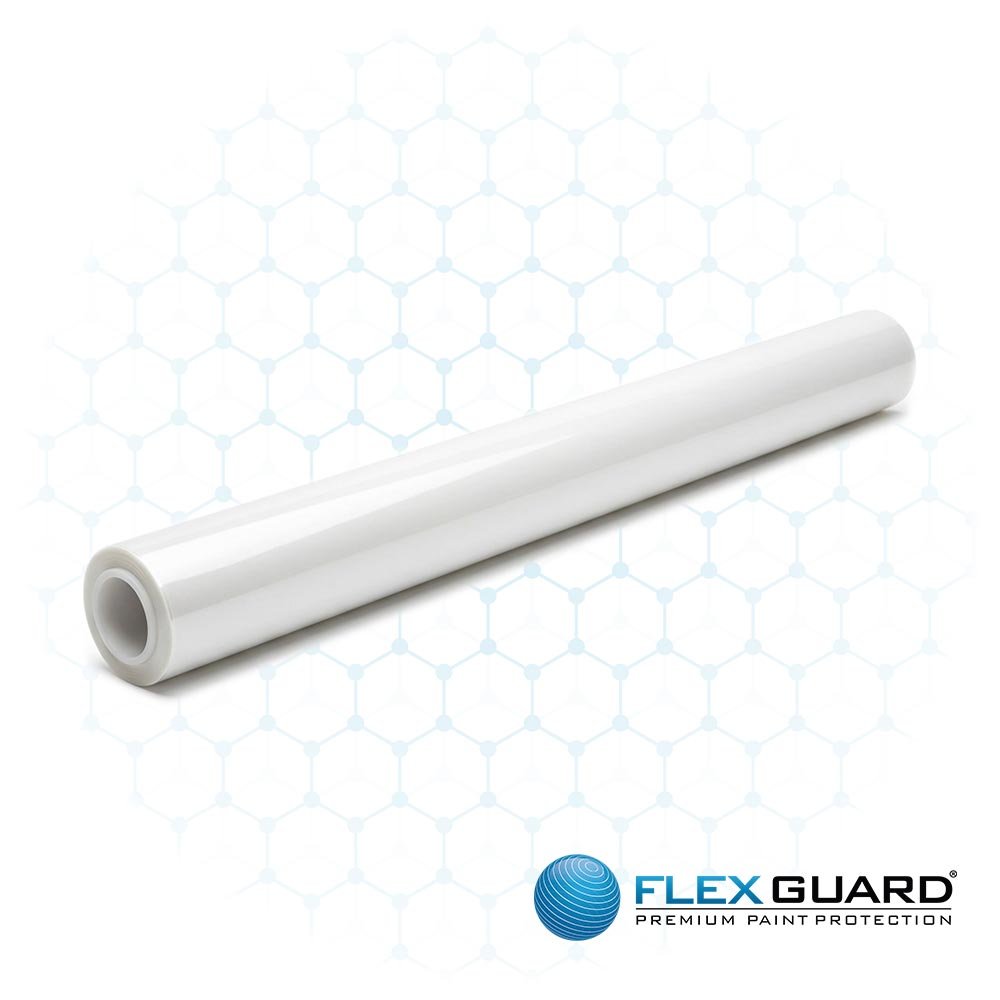
FlexGuard Paint Protection Film is engineered for durability and long-term performance.
Features include:
- 8 mil TPU construction
- Self-healing technology
- Hydrophobic surface properties
- Exceptional optical clarity
- UV resistance
These features work together to help maintain both protection and appearance throughout the life of the film.
FlexGuard Warranty Coverage
FlexGuard is backed by a 10-year limited warranty.
This warranty reflects the confidence placed in the film's construction and long-term durability.
For complete warranty details, owners should review the applicable warranty documentation.
Can You Extend the Life of PPF?
While all protective products eventually experience wear, proper care can help maximize longevity.
Best practices include:
- Regular washing
- Prompt removal of contaminants
- Using proper detailing techniques
- Avoiding abrasive cleaning tools
- Following manufacturer care recommendations
These practices help preserve both appearance and performance over time.
Is PPF Worth It Long-Term?
For many vehicle owners, Paint Protection Film is a long-term investment in preserving the appearance of their vehicle.
By helping protect against rock chips, road debris, and environmental damage, PPF can reduce the wear that naturally occurs throughout ownership.
For owners who value their vehicle's appearance, the long-term benefits often outweigh the initial investment.
Key Takeaways
- Premium Paint Protection Film is designed to provide many years of protection.
- Film lifespan depends on quality, installation, environment, driving conditions, and maintenance.
- Proper care can help maximize the appearance and performance of PPF.
- FlexGuard features 8 mil TPU construction, self-healing technology, and hydrophobic properties.
- FlexGuard is backed by a 10-year limited warranty.
- PPF can typically be removed and replaced when necessary.
Helpful Links


On this Page
-
How Long Does Paint Protection Film Last?
- How Long Does PPF Typically Last?
- What Factors Affect PPF Lifespan?
- Signs Your PPF Is Performing Properly
- What Happens as PPF Ages?
- Does Self-Healing Technology Last Forever?
- Can PPF Be Replaced?
- How FlexGuard Is Built for Long-Term Protection
- FlexGuard Warranty Coverage
- Can You Extend the Life of PPF?
- Is PPF Worth It Long-Term?
- Key Takeaways
- Helpful Links