


-

About Flexfilm 2
-

Getting Started 10
-
Core Fundamentals 10
-
-

Orders & Support 77
-
Shipping 9
-
Dealer Rewards 13
-
Ordering & Account 7
-
Pre-Cut Patterns 2
-
General 7
-
Warranty 6
-
Installer & Dealer Program 24
-
Billing & Tax 2
-
Route Package Protection 2
-
Returns & Refunds 2
-
Shop Pay 2
-
Training 1
-
-

Installation Resources 16
-
Architectural 4
-
Automotive 5
-
General 7
-
-

Architectural Window Film 50
-
Safety & Compatibility 16
-
Ownership 2
-
Fundamentals 13
-
Buying Guides 4
-
Performance & Privacy 6
-
Product Guides 9
-
-

Automotive Window Film 38
-
Installation & Ownership 16
-
Product Guides 11
-
Legal & Compliance 3
-
Buying Guides 8
-
-

Plotters 7
-
Ownership 5
-
Buying Guides 2
-
-

FlexCut Software 12
-
Account & Licensing 4
-
Getting Started 6
-
Troubleshooting 2
-
-

Paint Protection Film (PPF) 10
-
Ownership 3
-
Fundamentals 4
-
Product Guides 3
-
-

Surface Coatings 12
-
Product Guides 6
-
Fundamentals 3
-
Ownership 3
-
What Is a Ceramic Coating?


What Is a Ceramic Coating?
A ceramic coating is a liquid-applied protective coating designed to bond to a vehicle's exterior surfaces and provide long-lasting protection against environmental contaminants. Ceramic coatings are commonly used to improve gloss, enhance hydrophobic performance, simplify maintenance, and help protect a vehicle's finish from everyday exposure.
Unlike waxes and sealants that sit on the surface temporarily, ceramic coatings create a more durable protective layer designed to last significantly longer.
How Does a Ceramic Coating Work?
After application, a ceramic coating bonds to the vehicle's surface and creates a protective barrier that helps shield the finish from environmental contaminants.
This protective layer can help reduce the adhesion of dirt, water, and other contaminants while improving the appearance of the vehicle.
The result is a surface that is easier to clean and maintain.
What Does a Ceramic Coating Protect Against?
Ceramic coatings help protect against a variety of common environmental hazards, including:
- UV exposure
- Bird droppings
- Bug splatter
- Tree sap
- Water spotting
- Road grime
- Environmental fallout
- Chemical contaminants
While ceramic coatings provide excellent environmental protection, they are not designed to provide impact protection against rock chips or road debris.
Hydrophobic Performance
One of the most popular benefits of ceramic coatings is their hydrophobic performance.
Hydrophobic surfaces encourage water to bead and roll away from the vehicle rather than spread across the paint.
This can help:
- Improve water beading
- Reduce contaminant buildup
- Make washing easier
- Reduce standing water
Many vehicle owners immediately notice the enhanced water behavior after a ceramic coating is applied.
Enhanced Gloss and Appearance
Ceramic coatings are often chosen for their ability to enhance the appearance of a vehicle.
Many coatings create a deeper, richer finish while improving gloss and surface slickness.
This can help maintain a freshly detailed appearance for longer periods between washes.
Easier Vehicle Maintenance
Because contaminants have a harder time bonding to a coated surface, routine maintenance often becomes easier.
Dirt, road grime, and other contaminants can typically be removed more easily during regular washing.
This is one of the primary reasons ceramic coatings have become so popular among vehicle owners.
What Ceramic Coatings Do Not Do
There are many misconceptions surrounding ceramic coatings.
While ceramic coatings provide excellent protection against environmental contaminants, they do not make a vehicle immune to damage.
Ceramic coatings do not prevent:
- Rock chips
- Major scratches
- Dents
- Collision damage
- Road debris impacts
For physical impact protection, Paint Protection Film remains the preferred solution.
Ceramic Coating vs Wax
Traditional waxes provide temporary protection and require frequent reapplication.
Ceramic coatings are designed to provide significantly longer-lasting protection and improved durability.
While both products can improve appearance and water beading, ceramic coatings generally offer greater longevity and environmental resistance.
Ceramic Coating vs Paint Protection Film
Ceramic coatings and Paint Protection Film serve different purposes.
Ceramic coatings focus on environmental protection, hydrophobic performance, and ease of maintenance.
Paint Protection Film focuses on protecting against rock chips, road debris, and physical damage.
Many vehicle owners choose to combine both products for maximum protection.
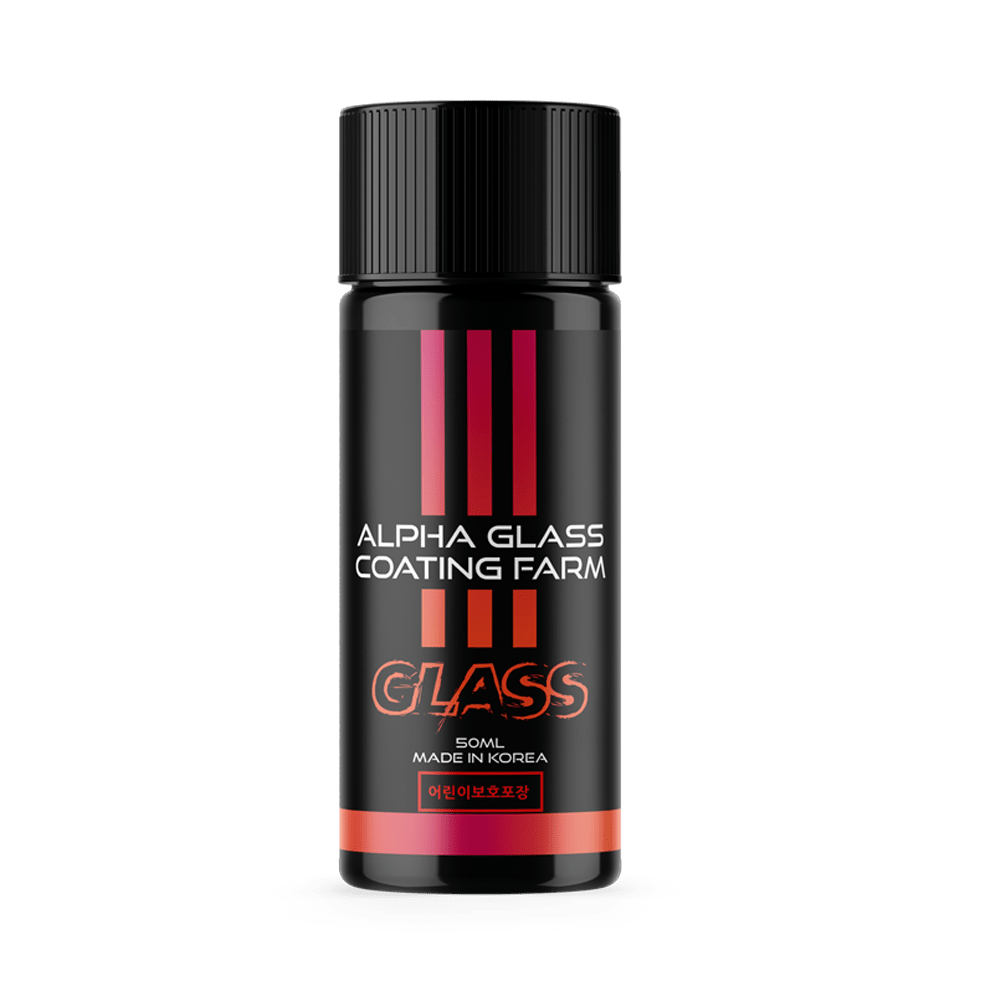
Coating Farm USA Ceramic Coatings
Flexfilm offers professional ceramic coating solutions through Coating Farm USA.
Popular options include:
- Alpha Prime Graphene 10H
- Aqua Coat Prime 9H
- Ceramic King 9H
- Quartz Pro Graphene 10H
These coatings are designed to provide varying levels of durability, hydrophobic performance, gloss enhancement, and environmental protection.
How Long Does a Ceramic Coating Last?
The lifespan of a ceramic coating depends on factors such as:
- Product selection
- Application quality
- Environmental exposure
- Maintenance practices
- Vehicle usage
Premium coatings can provide protection for multiple years when properly maintained.
What Surfaces Can Be Coated?
Ceramic coatings can be applied to a variety of automotive surfaces, including:
- Paint
- Paint Protection Film
- Glass
- Wheels
- Trim
- Plastic components
Always verify product compatibility before applying a coating to a specific surface.
Who Should Consider a Ceramic Coating?
A ceramic coating may be an excellent choice if you are looking for:
- Easier vehicle maintenance
- Enhanced gloss
- Improved water beading
- Environmental protection
- Long-term paint preservation
- A cleaner vehicle between washes
Ceramic coatings are popular among daily drivers, enthusiasts, luxury vehicle owners, and professional detailers alike.
Key Takeaways
- A ceramic coating is a liquid-applied protective coating that bonds to a vehicle's surface.
- It helps protect against environmental contaminants and UV exposure.
- Ceramic coatings provide excellent hydrophobic performance and easier maintenance.
- They can enhance gloss and improve the appearance of a vehicle.
- Ceramic coatings do not provide protection against rock chips or major impacts.
- Many vehicle owners combine ceramic coatings with Paint Protection Film for maximum protection.
Helpful Links


On this Page
-
What Is a Ceramic Coating?
- How Does a Ceramic Coating Work?
- What Does a Ceramic Coating Protect Against?
- Hydrophobic Performance
- Enhanced Gloss and Appearance
- Easier Vehicle Maintenance
- What Ceramic Coatings Do Not Do
- Ceramic Coating vs Wax
- Ceramic Coating vs Paint Protection Film
- Coating Farm USA Ceramic Coatings
- How Long Does a Ceramic Coating Last?
- What Surfaces Can Be Coated?
- Who Should Consider a Ceramic Coating?
- Key Takeaways
- Helpful Links