



Choose the Right Film Without Guessing
Window film changes how heat interacts with glass. Pick the wrong film and you risk cracking the glass or ruining the seals.
This guide helps you:
✓ Choose the right film
✓ Avoid common mistakes
✓ Install with confidence
...or scroll down to learn more about glass safety.

Glass Strength Types
Before using the film compatibility calculator, take a moment to identify your glass. There are two things to know: what your glass is made of (its strength type) and how it's built (its configuration). Both affect how much thermal stress it can safely handle.
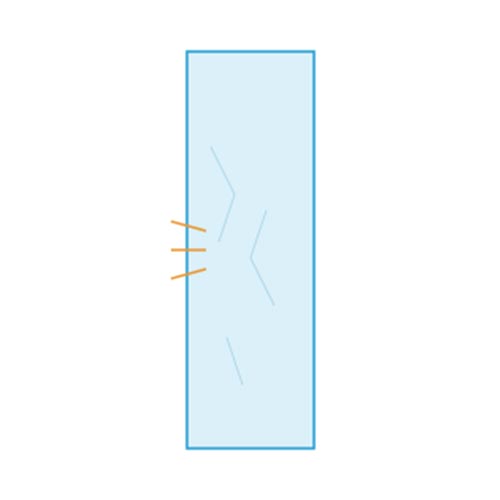
Annealed
Also known as: Plate glass, Float glass, Standard glass
Annealed glass is the base form of flat glass — manufactured by slowly cooling molten glass to relieve internal stress. It is the most common glass type and the weakest of the three. When broken, it fractures into large, sharp shards. It has no additional heat treatment and is the most vulnerable to thermal stress from window film.
How to identify
Most older residential windows are annealed. If your window has no markings, no visible edge treatment, and was not specified as safety glass, assume it is annealed. It will break into jagged shards if impacted.
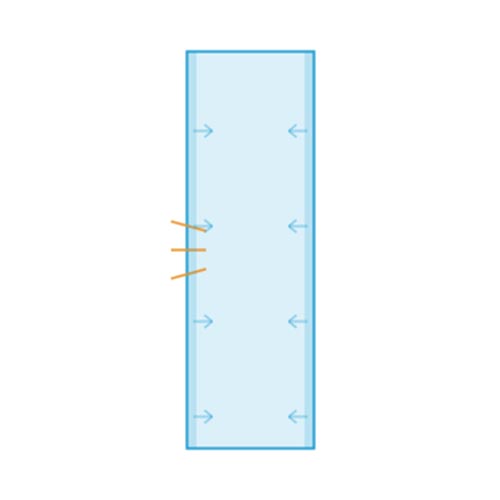
Heat Strengthened
Also known as: HS glass, Semi-tempered
Heat strengthened glass is annealed glass that has been reheated and cooled more rapidly, introducing surface compression that roughly doubles its strength compared to standard annealed glass. It is not a safety glass — when broken, it still fractures into large pieces. It handles thermal stress from window film significantly better than annealed glass, making it suitable for a wider range of film types.
How to identify
Heat strengthened glass is usually identified by a permanent etched or sandblasted mark in the corner, often showing "HS" along with the manufacturer name and ASTM standard (C1048). It is not the same as tempered — check the marking carefully.
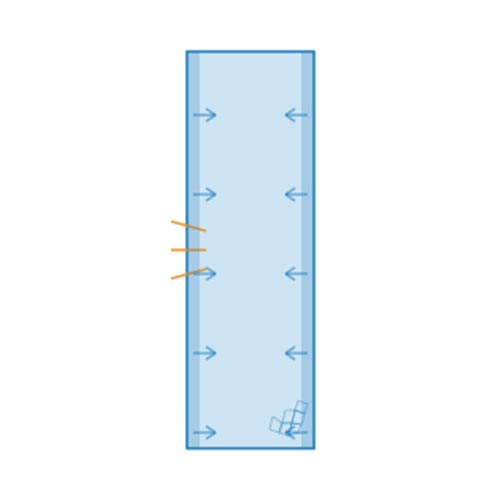
Tempered
Also known as: Safety glass, Toughened glass
Tempered glass is annealed glass that has been heated to an extreme temperature and then rapidly quenched with cold air. This process puts the outer surfaces under high compression, making it approximately four times stronger than annealed glass and the most resistant to thermal stress. It is a true safety glass — when broken, it shatters into small, blunt pebbles rather than sharp shards. It is the only glass type rated for the highest film stress combinations.
How to identify
Tempered glass is required by code in many locations (shower enclosures, sliding doors, sidelights, low windows) and will have a permanent etched mark in the corner showing "Tempered" or "T" with the manufacturer and ASTM standard (C1048 or C1036). When viewed through polarized sunglasses, tempered glass often shows a faint iridescent pattern.
Glass Configurations
Beyond strength type, glass is also categorized by how it's assembled — the number of panes, the presence of coatings, and whether it includes a safety interlayer. Each configuration affects the primary stress score differently because they trap and transfer heat in different ways. Any of the configurations below can exist in annealed, heat strengthened, or tempered form.
 Clear Single Pane
 Clear Single Pane
One layer of clear, uncoated glass. The most basic window type, common in homes built before the 1980s and in garages, sheds, and older commercial buildings.
How to identify
No visible gap between panes. Perfectly clear with no tint or reflective sheen. You can feel the outdoor temperature through it easily.
 Clear Dual Pane
 Clear Dual Pane
Two layers of clear glass with an air or argon gas gap sealed between them. The most common window type in residential homes built after the 1980s.
How to identify
Hold a light up to the glass — you'll see two reflections close together. The gap between panes is usually visible along the edge inside the frame.
 Clear Triple Pane
 Clear Triple Pane
Three layers of glass with two sealed gaps. Used in high-efficiency or cold-climate builds for maximum insulation. Less common in warm climates.
How to identify
Hold a light up — you'll see three reflections. The window unit will be noticeably thicker and heavier than a standard dual pane.
 Tinted Single Pane
 Tinted Single Pane
A single pane of glass with color tint baked into the glass itself during manufacturing. Common tints are bronze, grey, and green. Often found in older commercial buildings.
How to identify
The glass has a consistent color throughout — bronze, grey, or green. The tint is uniform and visible from both sides. No gap between panes.
 Tinted Dual Pane
 Tinted Dual Pane
Dual pane unit with one tinted outer pane and one clear inner pane. Combines the insulation of dual pane with factory solar control. Common in commercial and modern residential builds.
How to identify
Visible bronze, grey, or green tint on the outer pane. You'll see two reflections when you hold a light up, confirming the dual pane construction.
 Low-E Dual Pane
 Low-E Dual Pane
Dual pane glass with a microscopically thin metallic coating (Low-Emissivity) on one surface inside the sealed unit. The most common window type in homes built after 2000. Reduces heat transfer without heavy tinting.
How to identify
Faint blue-green or reflective tint when viewed at an angle. Hold a flame or lighter near the glass — one of the four reflections will appear a different color (orange vs. pink/purple) — that's the Low-E coating.
 HP Low-E Dual Pane
 HP Low-E Dual Pane
High-Performance Low-E — a more aggressive metallic coating that rejects significantly more heat than standard Low-E. Often specified on south and west-facing windows in hot climates or high-efficiency builds.
How to identify
More noticeable reflective quality than standard Low-E — often has a stronger blue or silver tint. Usually specified on the window label or building documentation. When in doubt, check with your window manufacturer or builder.
 Clear Single — Laminated
 Clear Single — Laminated
Two clear glass layers bonded with a plastic interlayer. Acts as a single pane unit but with safety and sound benefits. Common in skylights, glass doors, and safety applications.
How to identify
Check the edge of the glass — laminated glass has a visible plastic interlayer that looks like a thin colored or clear strip between the glass layers. It may also be labeled on a corner bug or sticker. When struck, it crazes (like a windshield) rather than breaking into pieces.
 Clear Dual — Laminated
 Clear Dual — Laminated
A laminated pane paired with a second clear pane in a sealed dual pane unit. Combines the insulation of dual pane with the safety characteristics of laminated glass. Common in high-end residential and commercial construction.
How to identify
Check the edge of the glass — laminated glass has a visible plastic interlayer that looks like a thin colored or clear strip between the glass layers. It may also be labeled on a corner bug or sticker. When struck, it crazes (like a windshield) rather than breaking into pieces.
 Tinted Single — Laminated
 Tinted Single — Laminated
Two tinted glass layers bonded with a plastic interlayer. Provides factory solar control plus the safety benefits of laminated construction. Often used in storefronts and commercial facades.
How to identify
Check the edge of the glass — laminated glass has a visible plastic interlayer that looks like a thin colored or clear strip between the glass layers. It may also be labeled on a corner bug or sticker. When struck, it crazes (like a windshield) rather than breaking into pieces.
Tinted Dual — Laminated
Tinted Dual — Laminated
A tinted laminated outer pane with a clear inner pane in a sealed dual unit. Maximum combination of solar control, insulation, and safety. Found in high-performance commercial and hurricane-rated applications.
How to identify
Check the edge of the glass — laminated glass has a visible plastic interlayer that looks like a thin colored or clear strip between the glass layers. It may also be labeled on a corner bug or sticker. When struck, it crazes (like a windshield) rather than breaking into pieces.
Step 1
Identify Your Glass Type
🪟Check for a Stamp
Most modern windows have a small etched stamp in one of the corners. This can tell you if the glass is:
- Tempered
- Heat strengthened
- Laminated
- Low-E or energy efficient
Look closely along the edges—sometimes it’s faint and easy to miss.
If you don't find a stamp or marking, it is largely safe to assume it's annealed (plate) glass, which is the weakest glass type.
Quick tip: You can take a clear photo of the glass stamp and upload it to an AI tool (like ChatGPT) to help interpret what it means.
📄Review Paperwork
If your home or building is newer, you may have documentation from the window manufacturer. This can confirm:
- Single vs dual pane
- Low-E coatings
- Glass thickness and type
👷Ask a Professional
When in doubt, have a local installer or glass professional take a look. They can usually identify the glass type quickly and help you avoid costly mistakes.
⚠️Don't Guess
If you can’t confidently identify your glass, it’s better to pause and verify before installing. Choosing the wrong film for the wrong glass can lead to issues.
Most modern windows have a small etched stamp in one of the corners. This can tell you if the glass is:
- Tempered
- Heat strengthened
- Laminated
- Low-E or energy efficient
Look closely along the edges—sometimes it’s faint and easy to miss.
If you don't find a stamp or marking, it is largely safe to assume it's annealed (plate) glass, which is the weakest glass type.
Quick tip: You can take a clear photo of the glass stamp and upload it to an AI tool (like ChatGPT) to help interpret what it means.
If your home or building is newer, you may have documentation from the window manufacturer. This can confirm:
- Single vs dual pane
- Low-E coatings
- Glass thickness and type
When in doubt, have a local installer or glass professional take a look. They can usually identify the glass type quickly and help you avoid costly mistakes.
If you can’t confidently identify your glass, it’s better to pause and verify before installing. Choosing the wrong film for the wrong glass can lead to issues.
Step 2
Choose the Right Film for Your Glass
Now that you’ve identified your window type, it’s time to choose a film that’s safe and designed for your application.
Not all window films are built the same. Some are better for heat rejection, others for privacy, and some are designed to be safe on more sensitive glass types like dual pane or Low-E.
Start by matching your goal:
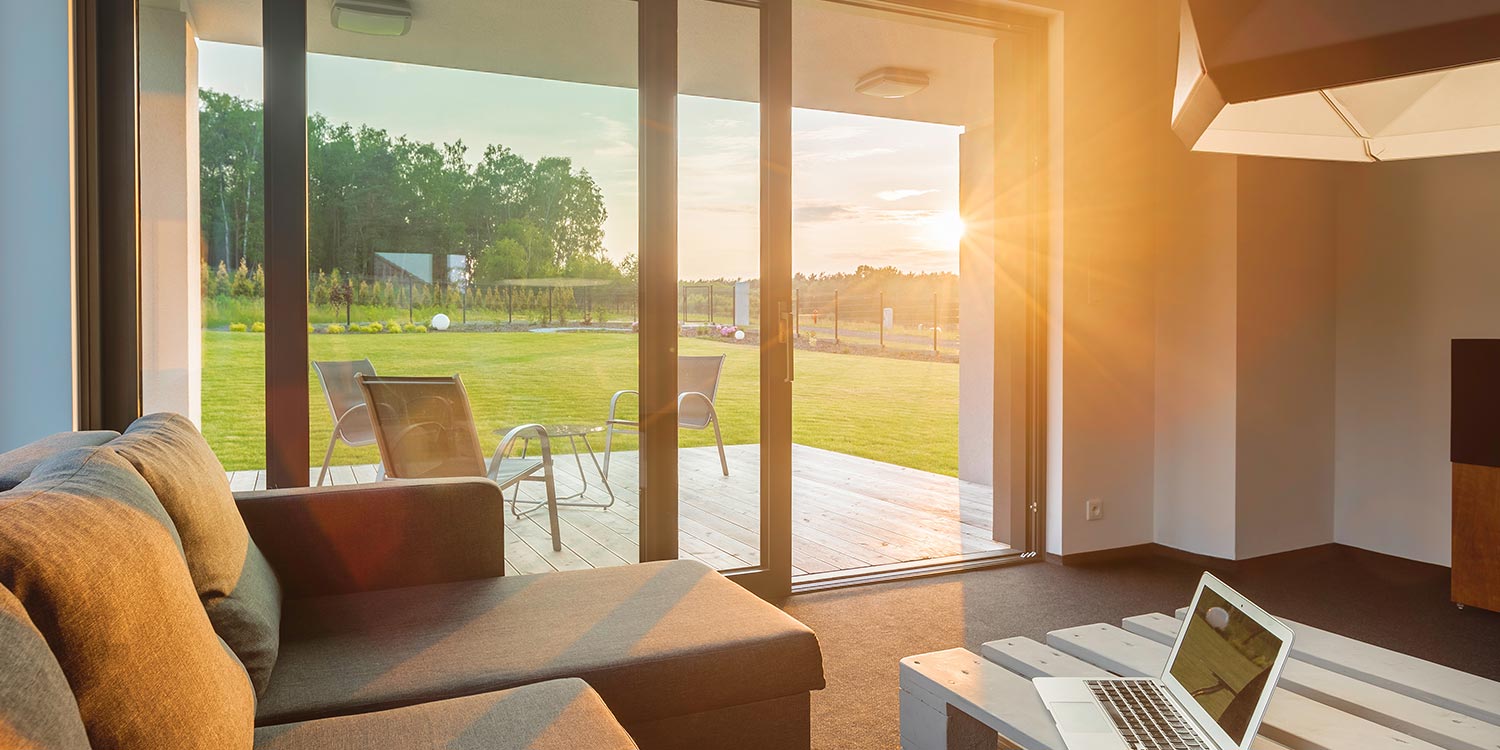
☀️ Too Much Heat or Glare?
Go with a solar control film designed to reduce heat and improve comfort.
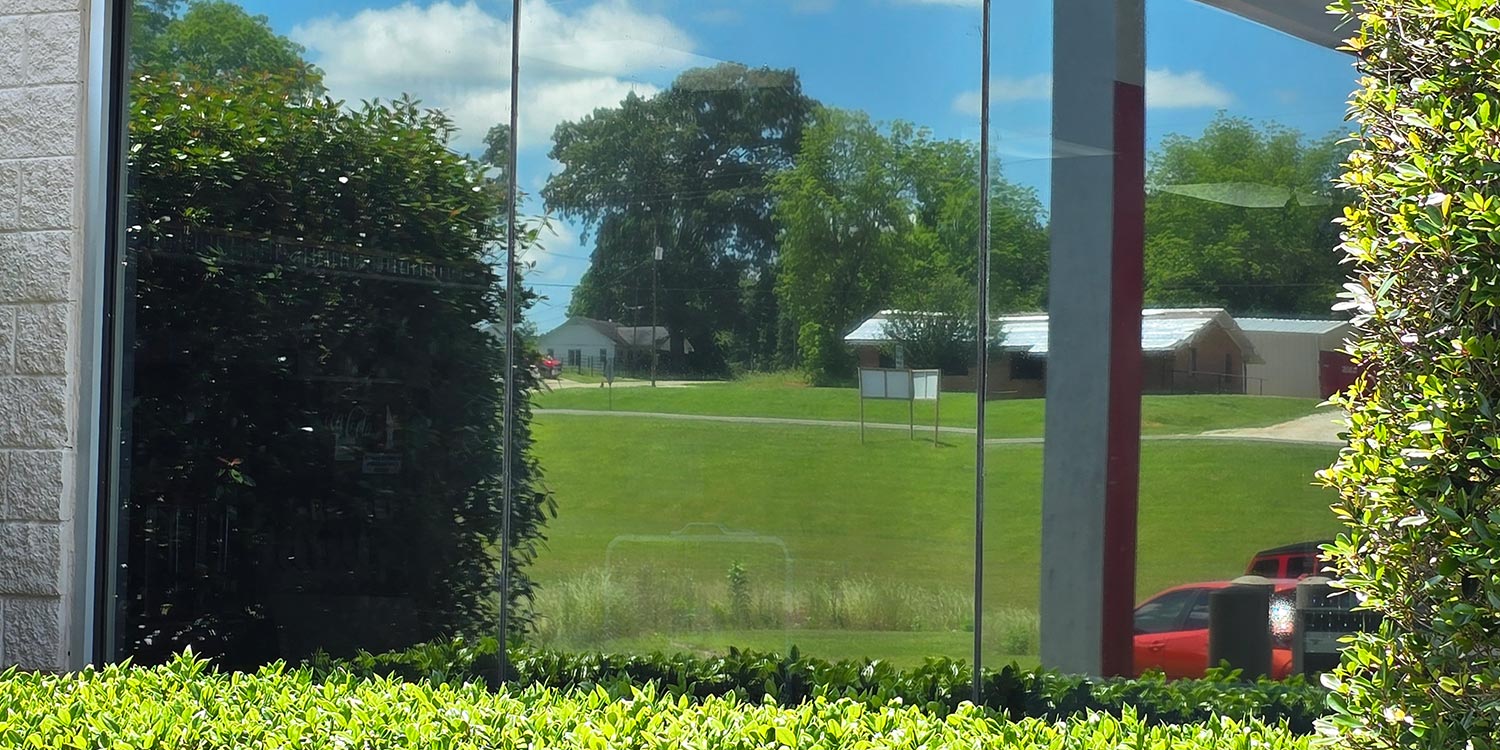
🕶 Need Daytime Privacy?
Choose a reflective or darker film to block visibility from the outside.
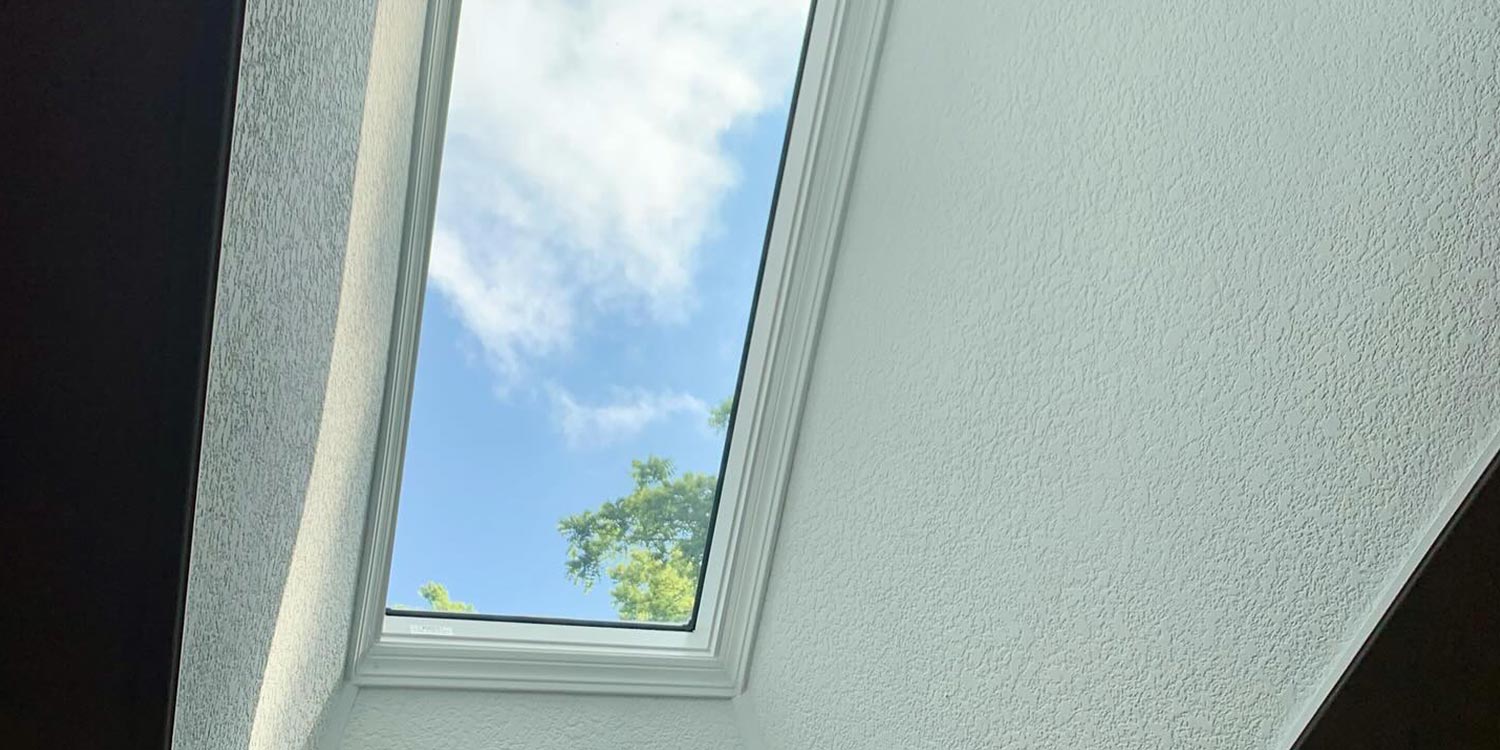
🧊 Want a Clean, Neutral Look?
Pick a lighter, non-reflective film, like our architectural ceramic, that cuts heat without changing the appearance too much.
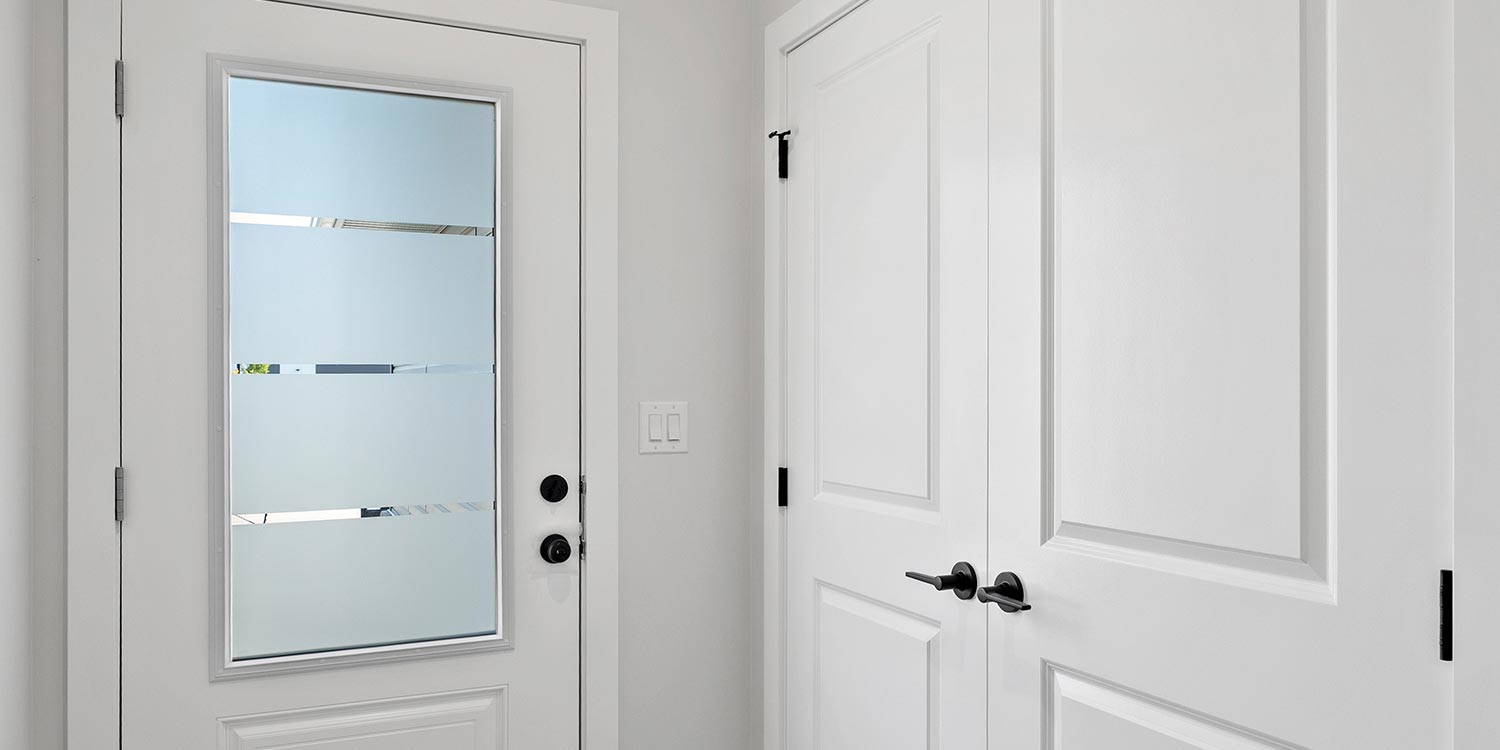
🏢 Looking for Full Privacy or Style?
Use a frosted or decorative film for privacy on offices, bathrooms, or entry glass.
Before purchasing, double-check your selection against our film to glass compatibility chart to make sure it’s safe for your specific window type.
Not sure which film is right for you?
Take our quick quiz or reach out—we’ll help you choose the right one.
Step 3
Check Film To Glass Compatibility
The chart below helps determine whether a film is compatible with your specific glass by measuring thermal stress—the amount of heat your glass can safely handle once film is applied.
Every film and glass combination generates a thermal stress load on the glass. Too much stress and the glass can crack - a phenomenon called thermal breakage. Importantly, this doesn't always happen immediately; thermal breakage can occur days or even weeks after installation as the glass cycles through heat and cool periods. This calculator uses the industry-standard Film-to-Glass stress chart to estimate that load for your specific setup.
Fill in all fields above to see results

Dealer Rewards
Start earning points that can be applied as store credit on your next online purchase.

Order Online 24/7
Shop our products online and check out anytime, 24/7, from anywhere!

Call To Order
Call us directly to place your order during business hours, Monday - Friday, 8:00 AM - 4:00 PM CST.