


Si vous avez déjà installé ou examiné un film de fenêtre en céramique et que vous vous êtes dit : « Pourquoi cette teinte a-t-elle l'air bleue ? », vous n'êtes pas seul.
Je tiens à clarifier quelque chose tout de suite. Personne n'ajoute de bleu dans les films de fenêtre juste pour énerver les installateurs.
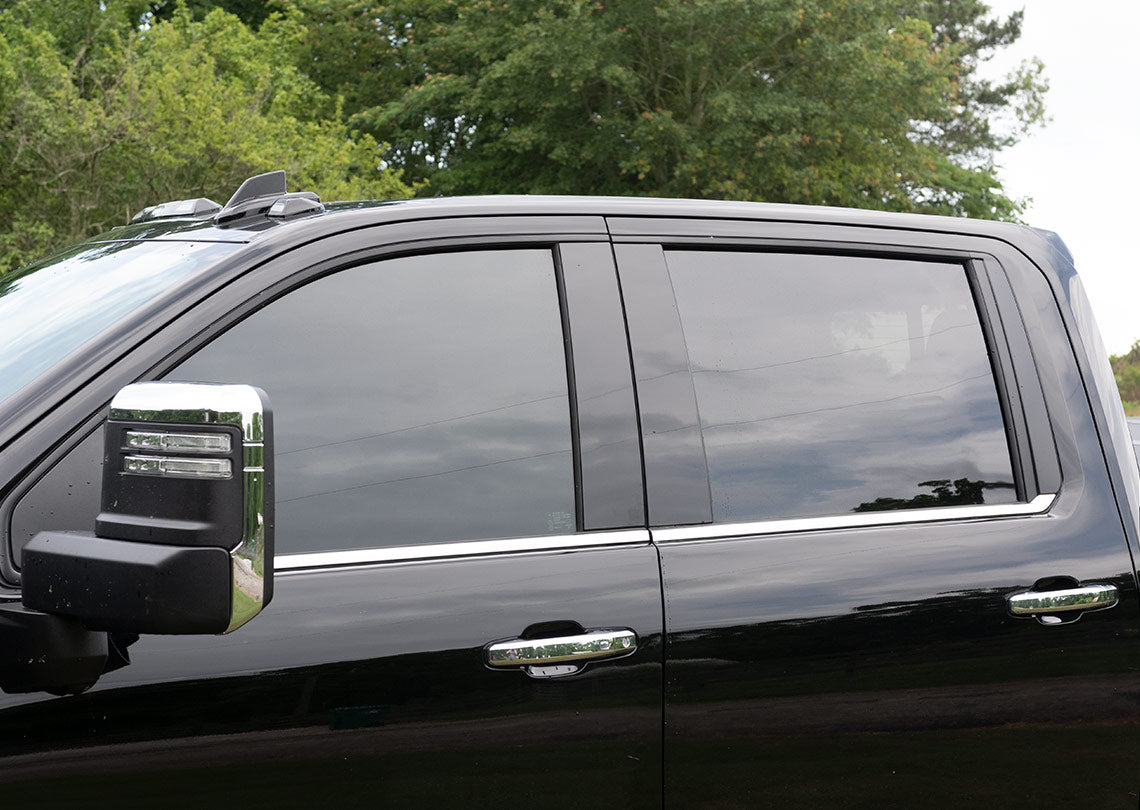
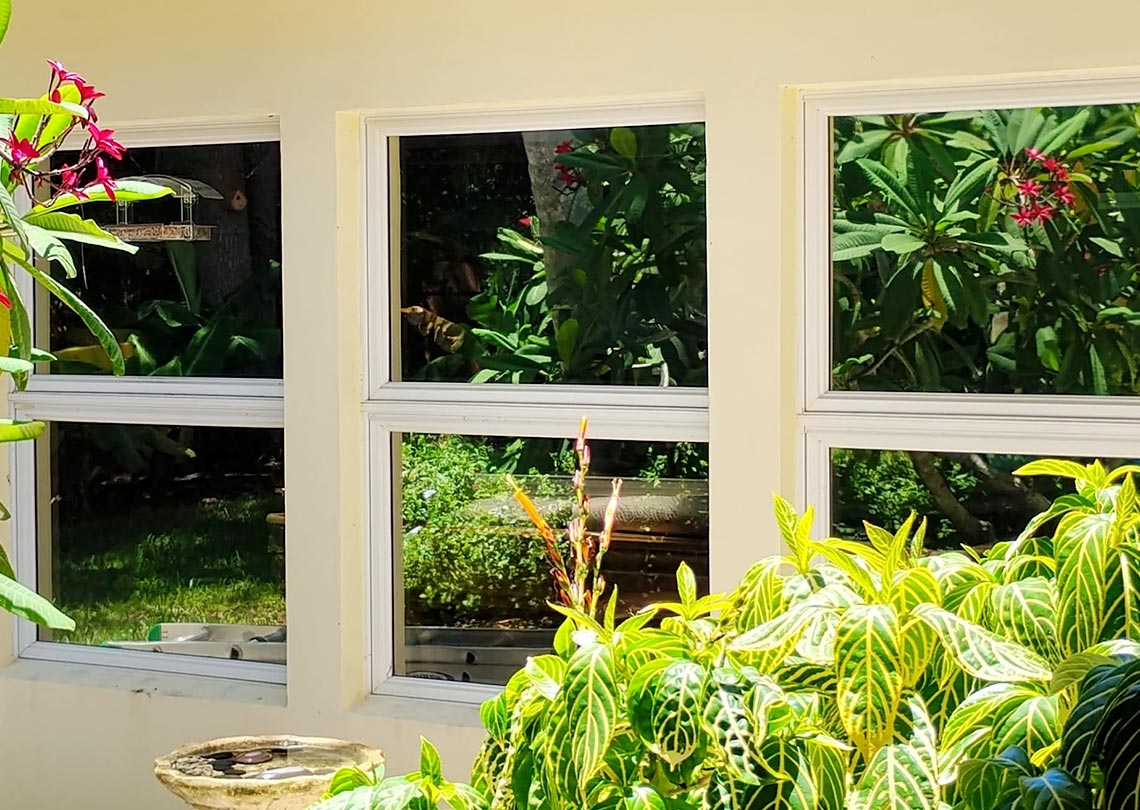
Il y a une vraie raison pour laquelle la teinte de fenêtre en céramique semble bleue, et cela a tout à voir avec ce qui est à l'intérieur du film.
Regarder la vidéo
La réponse courte
La teinte de fenêtre en céramique peut paraître bleue en raison de la technologie des particules céramiques intégrée dans le film. Dans de nombreux produits céramiques, ces particules se trouvent dans la couche dure du film de fenêtre, et parfois elles peuvent également exister dans la couche de stratifié adhésif.
Ce que vous voyez n'est pas un colorant. Ce n'est pas un pigment. C'est la céramique elle-même.

D'où vient le bleu
La plupart des matériaux utilisés dans les films de fenêtre en céramique proviennent directement du tableau périodique. Certains des plus courants sont :
- Oxyde de tungstène
- Nitrures de titane
- Oxyde d'étain-antimoine
- Oxyde d'indium-étain
Ces éléments sont pulvérisés en particules extrêmement petites à l'échelle nanométrique. Nano signifie un milliardième de pouce. Nous parlons de particules si petites que vous pouvez les mesurer au niveau moléculaire.
Voici le point clé que la plupart des gens ne réalisent pas.

À l'échelle nanométrique, beaucoup de ces matériaux ont naturellement une couleur bleue.
Ainsi, lorsque vous voyez cette teinte bleue, vous voyez la technologie nanocéramique telle qu'elle existe à l'intérieur du film.
Plus de céramique signifie généralement plus de bleu
La valeur de la teinte de fenêtre en céramique est l'isolation thermique et le confort.
Plus vous mettez de céramique dans un film de fenêtre, plus vous obtenez d'isolation thermique. Et dans de nombreux cas, plus le film peut apparaître bleu.

Pourquoi les teintes claires montrent davantage le bleu
C'est pourquoi vous le remarquez le plus dans les teintes plus claires comme 70 pour cent et plus.
Dans ces teintes claires, il n'y a généralement pas de colorant, de pigment ou de carbone dans le film. Vous utilisez des couches de polyester transparentes, puis vous appliquez la couche dure qui contient la technologie céramique.
Sans rien d'autre dans le film pour mélanger ou masquer la teinte, le bleu devient plus perceptible.
Pourquoi les teintes plus foncées masquent le bleu
Lorsque vous introduisez du colorant, du pigment ou du carbone pour assombrir le film, ces matériaux plus foncés se mélangent à la céramique. Le bleu devient moins perceptible.
C'est pourquoi vous ne voyez généralement pas de bleu dans un film à 5 %.

Une analogie simple qui fait tilt
Pensez à un gilet pare-balles.
Si quelqu'un demandait un gilet pare-balles qui ressemble à un T-shirt et n'inclut pas de Kevlar, pourriez-vous encore l'appeler un gilet pare-balles ?
Non. Vous avez retiré ce qui le rendait fonctionnel.
Si vous retirez la céramique du film teinté en céramique juste pour vous débarrasser du bleu, vous supprimez également la valeur que la céramique apporte, c'est-à-dire l'isolation thermique.

Notre approche chez Flexfilm
Chez Flexfilm, nous nous concentrons sur l'équilibre.
Nous utilisons un haut niveau de pureté d'oxyde de tungstène, et nous mettons suffisamment de céramique dans le film pour offrir une isolation thermique solide tout en gardant le film visuellement propre. L'objectif n'est pas de supprimer la technologie. L'objectif est de l'ingénierie correctement.
Donc, si vous voyez du bleu dans un film céramique, ce n'est pas automatiquement un problème. Dans de nombreux cas, c'est un signe que vous regardez la technologie céramique elle-même.
Voilà pourquoi votre teinte de fenêtre semble bleue.