



Choisissez le bon film sans deviner
Le film pour vitrage modifie l'interaction de la chaleur avec le verre.
Choisissez le mauvais film et vous risquez de fissurer le verre ou d'endommager les joints.
Ce guide vous aide à :
🗸 Choisir le bon film
🗸 Éviter les erreurs courantes
🗸 Installer en toute confiance
...or scroll down to learn more about glass safety.

Types de résistance du verre
Avant d'utiliser le calculateur de compatibilité de film, prenez un instant pour identifier votre verre. Il y a deux choses à savoir : de quoi est fait votre verre (son type de résistance) et comment il est construit (sa configuration). Les deux aspects influencent la quantité de contrainte thermique qu'il peut supporter en toute sécurité.
Recuit
Également connu sous le nom de : verre plat, verre flotté, verre standard
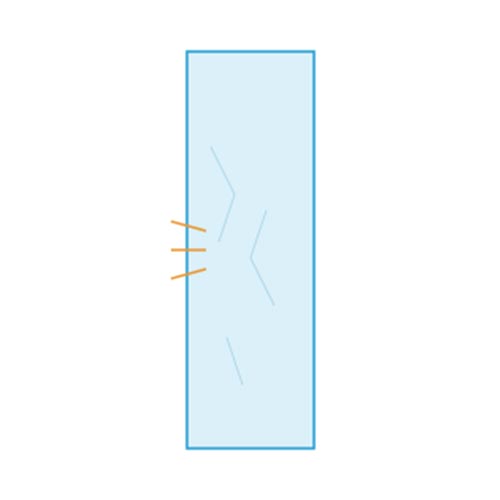
Le verre recuit est la forme de base du verre plat, fabriqué en refroidissant lentement le verre fondu pour soulager les contraintes internes. C'est le type de verre le plus courant et le plus fragile des trois. Lorsqu'il est brisé, il se fracture en grands éclats coupants. Il ne subit aucun traitement thermique supplémentaire et est le plus vulnérable aux contraintes thermiques des films pour fenêtres.
Comment l'identifier
La plupart des anciennes fenêtres résidentielles sont en verre recuit. Si votre fenêtre n'a pas de marquage, pas de traitement de bord visible et n'a pas été spécifiée comme verre de sécurité, supposez qu'il s'agit de verre recuit. Il se brisera en éclats dentelés en cas d'impact.
Trempé thermiquement
Également connu sous le nom de : verre HS, semi-trempé
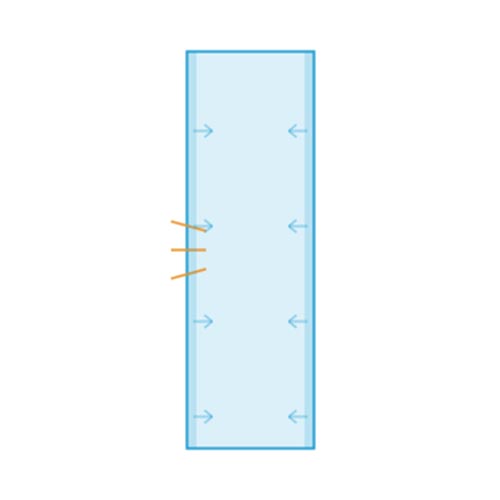
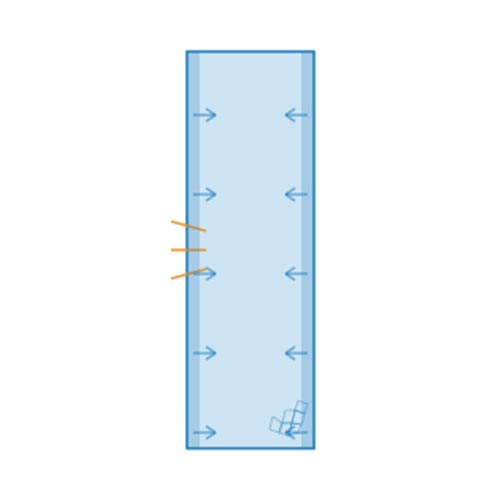
Le verre renforcé thermiquement est un verre recuit qui a été réchauffé et refroidi plus rapidement, introduisant une compression de surface qui double sa résistance par rapport au verre recuit standard. Ce n'est pas un verre de sécurité — lorsqu'il se brise, il se fracture toujours en gros morceaux. Il supporte beaucoup mieux la contrainte thermique du film pour fenêtre que le verre recuit, ce qui le rend adapté à une plus large gamme de types de films.
Comment l'identifier
Le verre renforcé thermiquement est généralement identifié par une marque permanente gravée ou sablée dans le coin, affichant souvent « HS » ainsi que le nom du fabricant et la norme ASTM (C1048). Il ne s'agit pas de verre trempé — vérifiez attentivement le marquage.
Trempé
Également connu sous le nom de : Verre de sécurité, Verre trempé
Le verre trempé est un verre recuit qui a été chauffé à une température extrême puis rapidement refroidi avec de l'air froid. Ce processus soumet les surfaces extérieures à une forte compression, ce qui le rend environ quatre fois plus résistant que le verre recuit et le plus résistant aux contraintes thermiques. C'est un véritable verre de sécurité — lorsqu'il se brise, il se fragmente en petits morceaux émoussés plutôt qu'en éclats tranchants. C'est le seul type de verre évalué pour les combinaisons de contraintes de film les plus élevées.
Comment l'identifier
Le verre trempé est exigé par le code dans de nombreux endroits (enceintes de douche, portes coulissantes, imposte latérale, fenêtres basses) et portera une marque gravée permanente dans le coin indiquant "Trempé" ou "T" avec le fabricant et la norme ASTM (C1048 ou C1036). Vu à travers des lunettes de soleil polarisées, le verre trempé présente souvent un léger motif irisé.
Configurations de vitrage
Outre le type de résistance, le verre est également classé selon son assemblage — le nombre de vitres, la présence de revêtements et l'inclusion ou non d'un intercalaire de sécurité. Chaque configuration affecte différemment le score de contrainte primaire, car elles emprisonnent et transfèrent la chaleur de différentes manières. N'importe quelle configuration ci-dessous peut exister sous forme recuite, renforcée thermiquement ou trempée.
 Simple vitre transparente
 Simple vitre transparente
Une seule couche de verre clair non revêtu. Le type de fenêtre le plus simple, courant dans les maisons construites avant les années 1980, ainsi que dans les garages, les abris de jardin et les bâtiments commerciaux plus anciens.
Comment l'identifier
Aucun espace visible entre les vitres. Parfaitement clair, sans teinte ni reflet. Vous pouvez facilement sentir la température extérieure à travers.
 Effacer les deux volets
 Effacer les deux volets
Deux couches de verre transparent avec un espace d'air ou d'argon scellé entre elles. Le type de fenêtre le plus courant dans les maisons résidentielles construites après les années 1980.
Comment les identifier
Tenez une lumière près de la vitre — vous verrez deux reflets rapprochés. L'espace entre les vitres est généralement visible le long du bord à l'intérieur du cadre.
 Triple vitrage clair
 Triple vitrage clair
Trois couches de verre avec deux espaces scellés. Utilisé dans les constructions à haute efficacité ou dans les climats froids pour une isolation maximale. Moins courant dans les climats chauds.
Comment l'identifier
Tenez une lumière – vous verrez trois reflets. L'unité de fenêtre sera nettement plus épaisse et plus lourde qu'un double vitrage standard.
 Simple vitrage teinté
 Simple vitrage teinté
Une vitre simple dont la couleur est cuite dans le verre lui-même pendant la fabrication. Les teintes courantes sont le bronze, le gris et le vert. On les trouve souvent dans les bâtiments commerciaux plus anciens.
Comment les identifier
Le verre a une couleur uniforme — bronze, gris ou vert. La teinte est uniforme et visible des deux côtés. Pas d'espace entre les vitres.
 Double vitrage teinté
 Double vitrage teinté
Unité à double vitrage avec une vitre extérieure teintée et une vitre intérieure claire. Combine l'isolation du double vitrage avec le contrôle solaire en usine. Courant dans les constructions commerciales et résidentielles modernes.
Comment l'identifier
Teinte bronze, grise ou verte visible sur la vitre extérieure. Vous verrez deux reflets lorsque vous approcherez une lumière, confirmant la construction à double vitrage.
 Double vitrage à faible émissivité
 Double vitrage à faible émissivité
Double vitrage avec un revêtement métallique (faible émissivité) d'une épaisseur microscopique sur l'une des surfaces à l'intérieur de l'unité scellée. Le type de fenêtre le plus courant dans les maisons construites après 2000. Réduit le transfert de chaleur sans forte teinte.
Comment l'identifier
Teinte bleu-vert pâle ou réfléchissante lorsqu'il est vu sous un angle. Maintenez une flamme ou un briquet près de la vitre — l'un des quatre reflets apparaîtra d'une couleur différente (orange contre rose/violet) — c'est le revêtement Low-E.
 HP double vitrage faible émissivité
 HP double vitrage faible émissivité
Faible émissivité haute performance — un revêtement métallique plus agressif qui rejette considérablement plus de chaleur que le faible émissivité standard. Souvent spécifié sur les fenêtres orientées sud et ouest dans les climats chauds ou les constructions à haute efficacité.
Comment l'identifier
Qualité réfléchissante plus perceptible que le faible émissivité standard — souvent avec une teinte bleue ou argentée plus prononcée. Généralement spécifié sur l'étiquette de la fenêtre ou la documentation du bâtiment. En cas de doute, vérifiez auprès de votre fabricant de fenêtres ou de votre constructeur.
 Transparent simple — Plastifié
 Transparent simple — Plastifié
Deux couches de verre clair liées par une intercalaire plastique. Se comporte comme un panneau unique, mais avec des avantages en termes de sécurité et d'isolation phonique. Couramment utilisé dans les lucarnes, les portes vitrées et les applications de sécurité.
Comment l'identifier
Vérifiez le bord du verre — le verre feuilleté possède une intercalaire plastique visible qui ressemble à une fine bande colorée ou transparente entre les couches de verre. Il peut également être étiqueté sur une vignette ou un autocollant d'angle. En cas de choc, il se fissure (comme un pare-brise) plutôt que de se briser en morceaux.
 Transparent Double-couche — Stratifié
 Transparent Double-couche — Stratifié
Un panneau feuilleté associé à un deuxième panneau transparent dans une unité scellée à double vitrage. Combine l'isolation du double vitrage avec les caractéristiques de sécurité du verre feuilleté. Courant dans la construction résidentielle et commerciale haut de gamme.
Comment l'identifier
Vérifiez le bord du verre — le verre feuilleté a un intercalaire en plastique visible qui ressemble à une fine bande colorée ou transparente entre les couches de verre. Il peut également être étiqueté sur une vignette de coin ou un autocollant. Lorsqu'il est frappé, il se fissure (comme un pare-brise) plutôt que de se briser en morceaux.
 Teinté Simple — Feuilleté
 Teinté Simple — Feuilleté
Deux couches de verre teinté assemblées avec un intercalaire en plastique. Offre une protection solaire en usine et les avantages de sécurité d'une construction feuilletée. Souvent utilisé dans les devantures de magasins et les façades commerciales.
Comment l'identifier
Vérifiez le bord du verre : le verre feuilleté a un intercalaire en plastique visible qui ressemble à une fine bande colorée ou transparente entre les couches de verre. Il peut également être étiqueté sur une vignette ou un autocollant dans un coin. Lorsqu'il est frappé, il se fissure (comme un pare-brise) plutôt que de se briser en morceaux.
Double vitrage teinté — Feuilleté
Double vitrage teinté — Feuilleté
Un panneau extérieur feuilleté teinté avec un panneau intérieur transparent dans une unité double scellée. Combinaison maximale de contrôle solaire, d'isolation et de sécurité. On le trouve dans les applications commerciales haute performance et anticycloniques.
Comment l'identifier
Vérifiez le bord du verre — le verre feuilleté a une couche intermédiaire en plastique visible qui ressemble à une fine bande colorée ou transparente entre les couches de verre. Il peut également être étiqueté sur une marque d'angle ou un autocollant. Lorsqu'il est frappé, il se fissure (comme un pare-brise) plutôt que de se briser en morceaux.
Étape 1
Identifiez votre type de verre
🪟Vérifier un tampon
La plupart des fenêtres modernes portent une petite marque gravée dans l'un des coins. Celle-ci peut vous indiquer si le verre est :
- Trempé
- Durci thermiquement
- Feuilleté
- À faible émissivité (Low-E) ou écoénergétique
Regardez attentivement le long des bords – parfois c'est faible et facile à manquer.
Si vous ne trouvez pas de marque ou de gravure, il est généralement prudent de supposer qu'il s'agit de verre recuit (verre plat), qui est le type de verre le plus fragile.
Astuce rapide : Vous pouvez prendre une photo nette de la marque du verre et la télécharger sur un outil d'IA (comme ChatGPT) pour vous aider à en interpréter la signification.
📄 Examiner la paperasse
Si votre maison ou votre bâtiment est plus récent, vous avez peut-être de la documentation du fabricant de fenêtres. Cela peut confirmer :
- Simple ou double vitrage
- Revêtements à faible émissivité
- Épaisseur et type de verre
👷Demander à un professionnel
En cas de doute, faites appel à un installateur local ou à un professionnel du vitrage. Ils peuvent généralement identifier rapidement le type de verre et vous aider à éviter des erreurs coûteuses.
⚠️Ne devinez pas
Si vous ne pouvez pas identifier votre verre en toute confiance, il est préférable de faire une pause et de vérifier avant l'installation. Choisir le mauvais film pour le mauvais verre peut entraîner des problèmes.
La plupart des fenêtres modernes portent une petite marque gravée dans l'un des coins. Celle-ci peut vous indiquer si le verre est :
- Trempé
- Durci thermiquement
- Feuilleté
- À faible émissivité (Low-E) ou écoénergétique
Regardez attentivement le long des bords – parfois c'est faible et facile à manquer.
Si vous ne trouvez pas de marque ou de gravure, il est généralement prudent de supposer qu'il s'agit de verre recuit (verre plat), qui est le type de verre le plus fragile.
Astuce rapide : Vous pouvez prendre une photo nette de la marque du verre et la télécharger sur un outil d'IA (comme ChatGPT) pour vous aider à en interpréter la signification.
Si votre maison ou votre bâtiment est plus récent, vous avez peut-être de la documentation du fabricant de fenêtres. Cela peut confirmer :
- Simple ou double vitrage
- Revêtements à faible émissivité
- Épaisseur et type de verre
En cas de doute, faites appel à un installateur local ou à un professionnel du vitrage. Ils peuvent généralement identifier rapidement le type de verre et vous aider à éviter des erreurs coûteuses.
Si vous ne pouvez pas identifier votre verre en toute confiance, il est préférable de faire une pause et de vérifier avant l'installation. Choisir le mauvais film pour le mauvais verre peut entraîner des problèmes.
Étape 2
Choisissez le bon film pour votre vitrage
Maintenant que vous avez identifié votre type de fenêtre, il est temps de choisir un film sécuritaire et conçu pour votre application.
Tous les films pour fenêtres ne sont pas conçus de la même manière. Certains sont meilleurs pour le rejet de la chaleur, d’autres pour l’intimité, et certains sont conçus pour être sécuritaires sur des types de verre plus sensibles comme le double vitrage ou le Low-E.
Commencez par faire correspondre votre objectif :
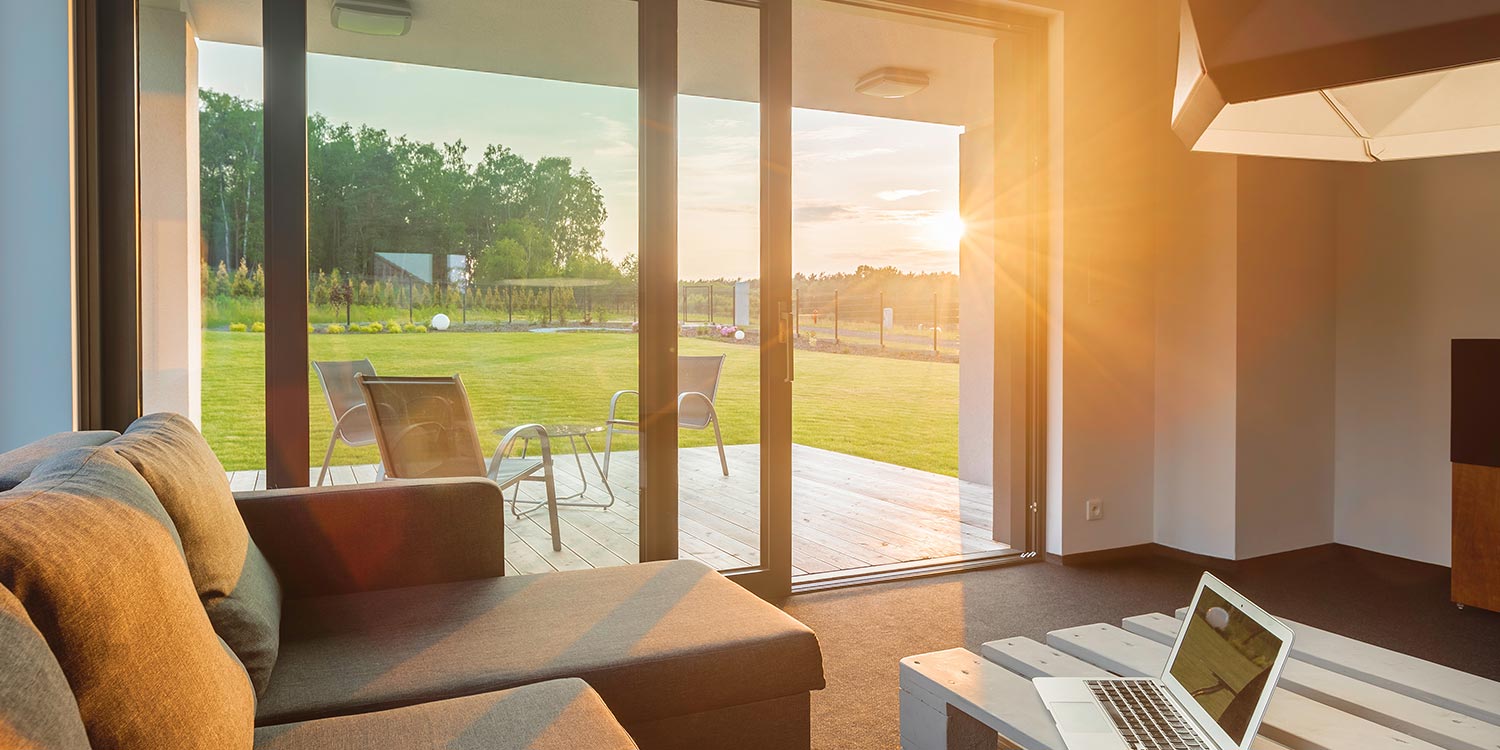
☀️ Trop de chaleur ou d'éblouissement ?
Optez pour un film de contrôle solaire conçu pour réduire la chaleur et améliorer le confort.
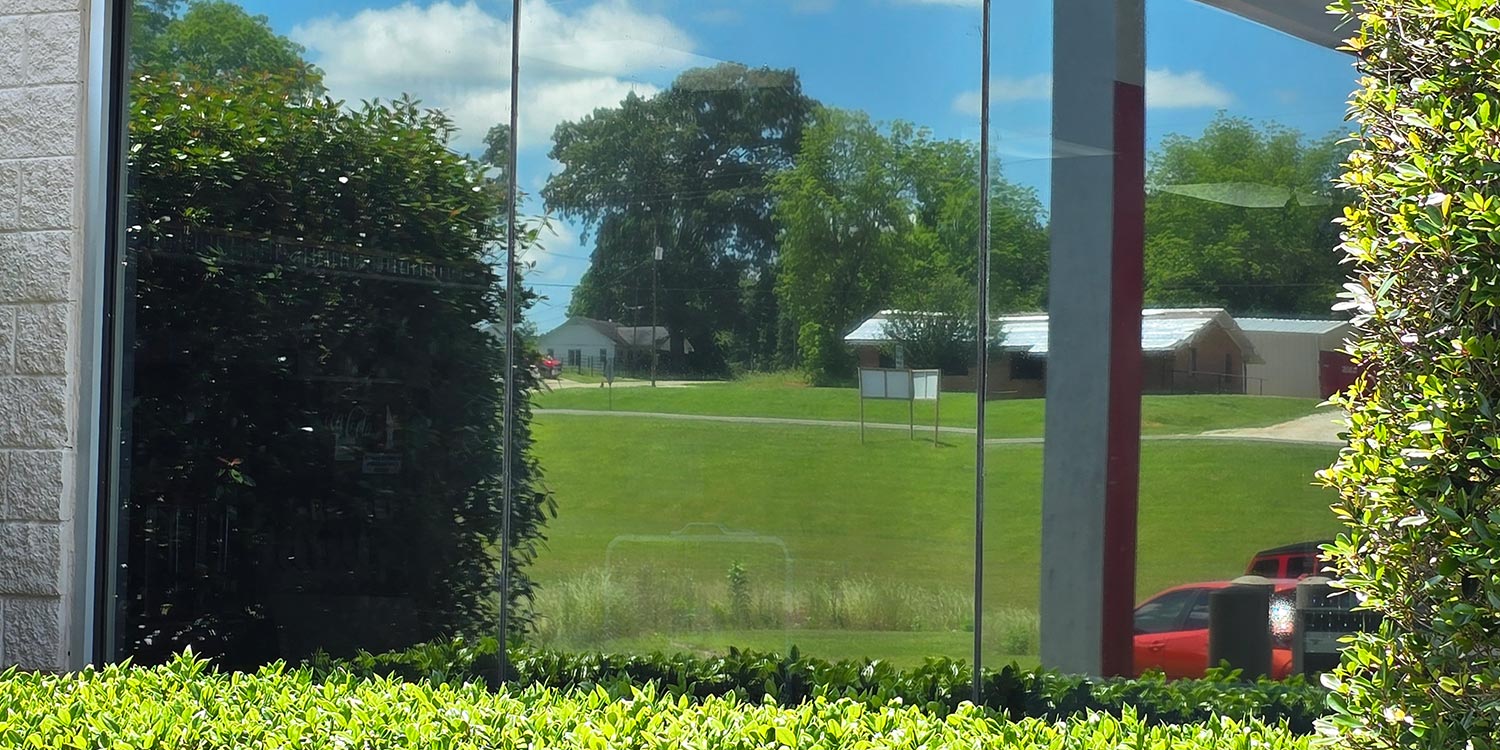
🕶 Besoin d'intimité en journée ?
Choisissez un film réfléchissant ou plus foncé pour bloquer la visibilité depuis l'extérieur.
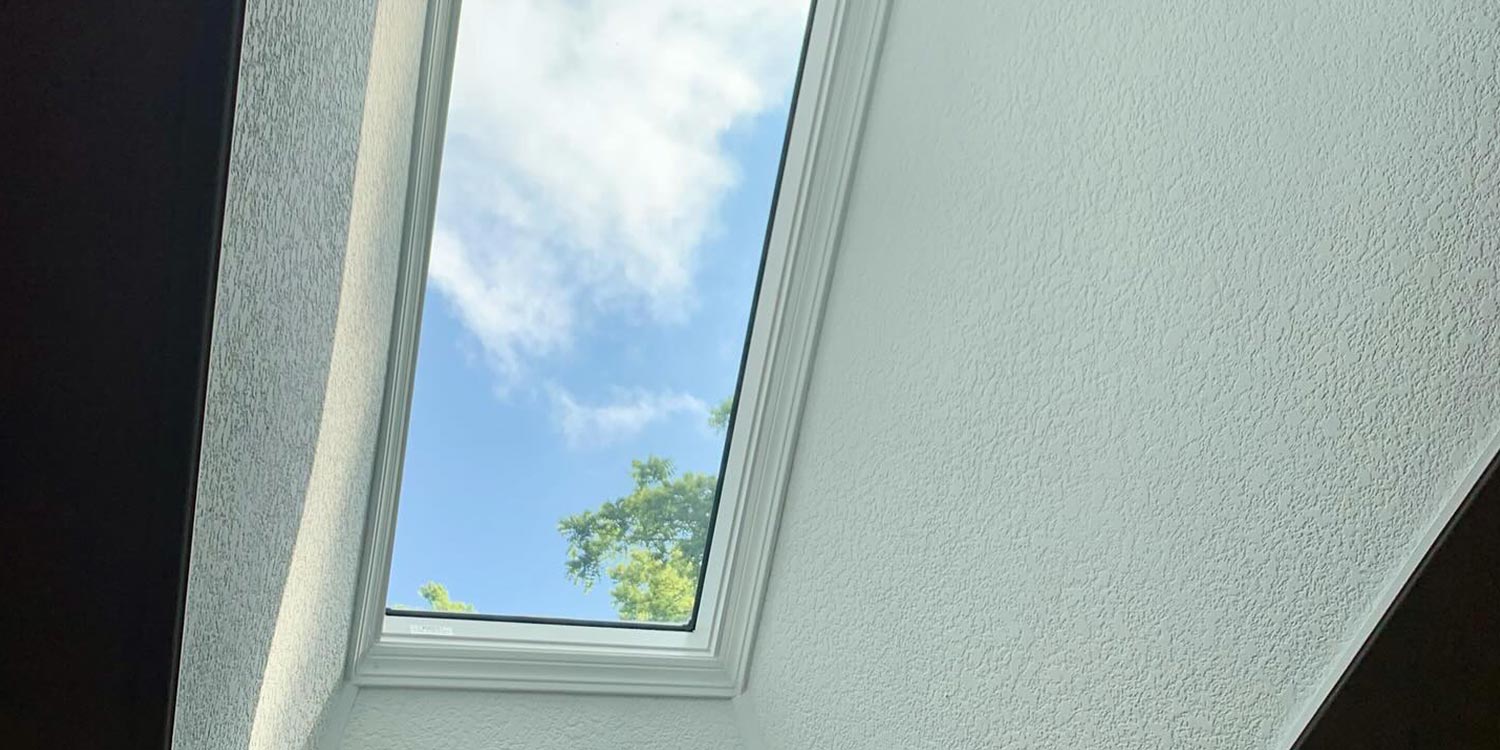
🧊 Envie d'un look épuré et neutre ?
Optez pour un film plus clair et non réfléchissant, comme notre film céramique architectural, qui réduit la chaleur sans trop modifier l'apparence.
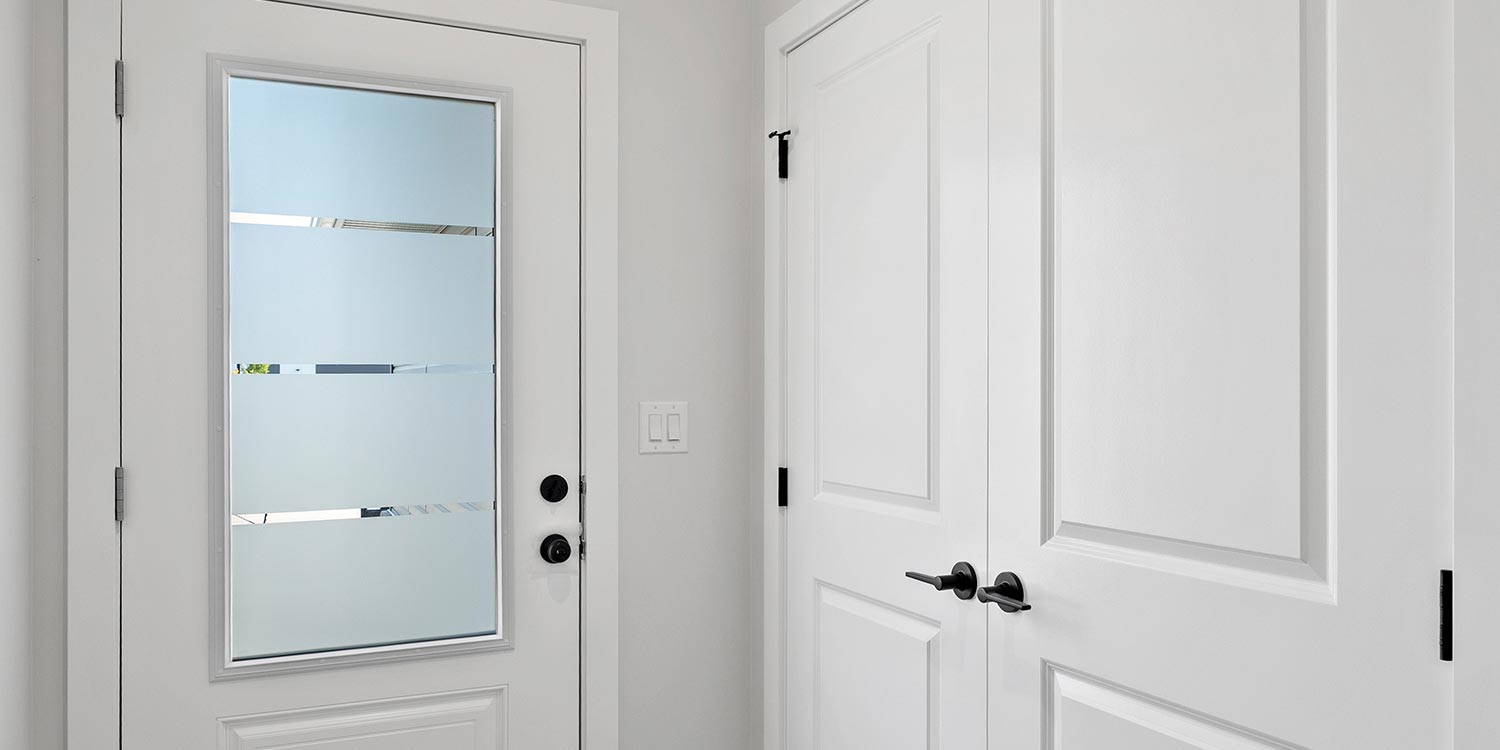
🏢 Vous recherchez une intimité totale ou du style ?
Utilisez un film dépoli ou décoratif pour l'intimité des bureaux, des salles de bains ou des vitres d'entrée.
Avant d'acheter, vérifiez votre sélection par rapport à notre tableau de compatibilité film-verre pour vous assurer qu'elle est compatible avec votre type de fenêtre spécifique.
Vous ne savez pas quel film choisir ?
Répondez à notre rapide questionnaire ou contactez-nous, nous vous aiderons à choisir celui qui vous convient.
Étape 3
Check Film To Glass Compatibility
Le tableau ci-dessous vous aide à déterminer si un film est compatible avec votre vitrage en mesurant la contrainte thermique, c'est-à-dire la quantité de chaleur que votre verre peut supporter en toute sécurité une fois le film appliqué.
Every film and glass combination generates a thermal stress load on the glass. Too much stress and the glass can crack - a phenomenon called thermal breakage. This calculator uses the industry-standard Film-to-Glass stress chart to estimate that load for your specific setup.
Fill in all fields above to see results
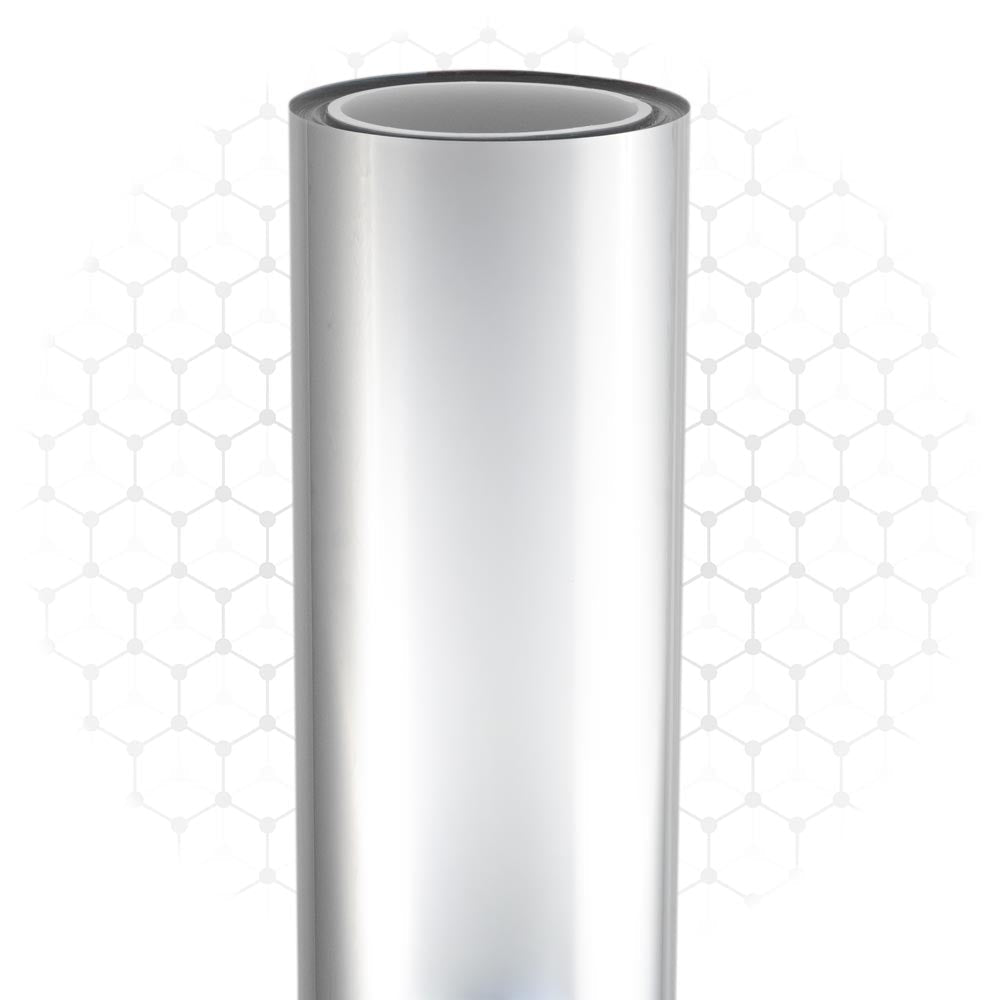
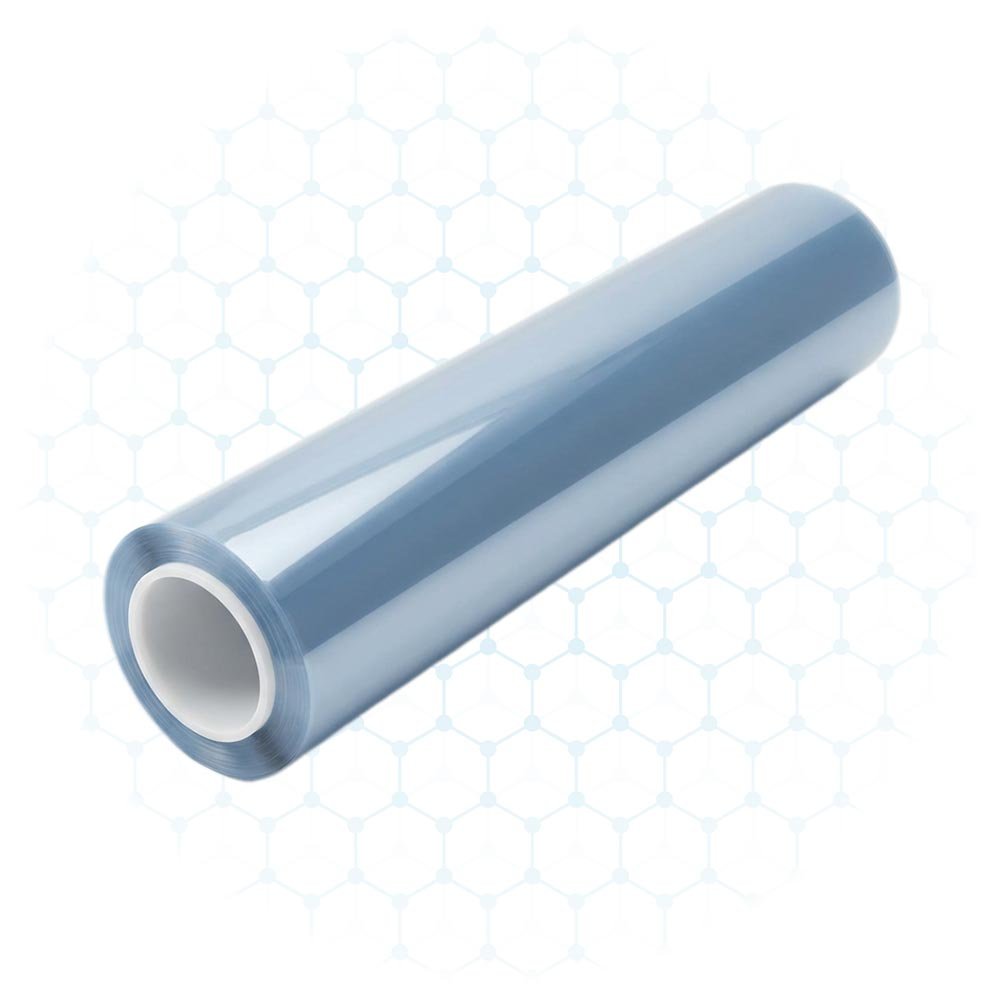
Acheter du film teinté architectural à faire soi-même




Récompenses pour les concessionnaires
Commencez à accumuler des points qui pourront être utilisés comme crédit en magasin lors de votre prochain achat en ligne.

Commandez en ligne 24h/24 et 7j/7
Achetez nos produits en ligne et payez à tout moment, 24h/24 et 7j/7, où que vous soyez !

Appel à la commande
Appelez-nous directement pour passer votre commande pendant les heures d'ouverture, du lundi au vendredi, de 8h00 à 16h00 CST.